
 Climate
 Privacy
 Bob Dylan
 Drones
 Data Centers
 AI Governance
 2026 Maine Senate Race
Dylan Love and Theft Review
Coverage from Boston.com, Flagging Down The Double E's, and others
Articles
26
Active Days
9055
The Topic
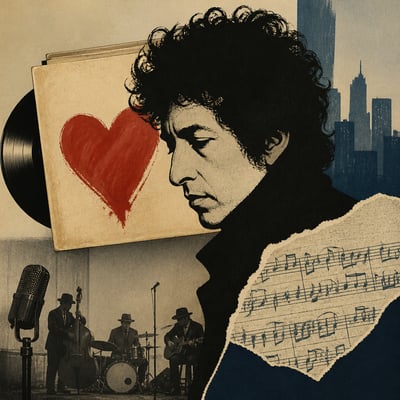
This topic centers on Bob Dylan's 2001 album Love and Theft and the way it has been reassessed through both criticism and live performance. The material focuses on how the record blends blues, vaudeville, ballad form, and wit, while also examining how Dylan has continued to perform songs from this era alongside older material. It matters because the album is being framed not just as a release, but as a turning point in Dylan's late-career sound and live identity.
First Article: 09/13/01
Latest Article: 06/28/26
Summary
- Love and Theft is treated as a notable late-career Dylan album that reintroduced a more varied, playful, and roots-based sound.
- Reviewers repeatedly emphasize the record's mix of blues, balladry, vaudeville touches, and wry lyrical humor.
- Live coverage shows Dylan still drawing on Love and Theft songs alongside a large share of pre-1970 material.
- The topic includes a recurring question about whether the album represents a genuine creative shift or simply another strong Dylan release.
- Some commentary frames the album in relation to Dylan's broader critical standing, though opinions differ on its cultural or generational relevance.
- The material also connects Love and Theft to adjacent Dylan records and modes, especially World Gone Wrong and the older Americana/blues tradition.
History
The story broadens from a largely album-centered reassessment of Love and Theft into a wider discussion of Dylan's late-career relevance, live song selection, and ongoing comparative commentary involving later artists. The borrowing/plagiarism angle is less central than before, while the album's role as a touchstone for persona and reinvention becomes more prominent.
The story broadens from a general reassessment of Love and Theft into a more specific comparison framework, adding earlier Dylan transition albums and more named voices in the borrowing debate. The core framing remains stable, but the current version sharpens the interpretive lens around influence, quotation, and late-career reinvention.
Featured
Timeline: 9055 Days
Hover over any logo to see coverage summary, click for full article.
Additional Articles
⭐⭐⭐⭐⭐⭐⭐⭐
⭐⭐⭐⭐⭐
 THE PRESS01-28-2026