
 Climate
 Privacy
 Bob Dylan
 Drones
 Data Centers
 AI Governance
 2026 Maine Senate Race
Last Update: 08/01/2026 at 2:00 PM EST
AI Identity And Privacy Controls
Coverage from The Guardian, Kentucky, and others
Articles
7
Active Days
133
The Topic
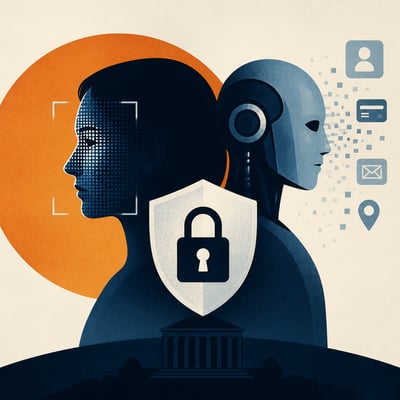
AI systems are pushing privacy into identity verification, training data licensing, and agent access to personal accounts, while laws and controls struggle to keep up with the speed and scope of data use.
First Article: 01/01/00
Latest Article: 06/18/26
Summary
- AI is increasingly tied to identity verification, from CAPTCHAs and biometrics to KYC-style checks and reverse tests that distinguish humans from machines.
- Agentic AI is widening privacy risk by moving personal data across email, cloud, endpoints, and SaaS tools with limited human oversight.
- AI training data markets are turning voice, calls, photos, texts, and video into licensed inputs, often under opaque terms and limited downstream visibility.
- Security failures and weak governance remain part of the privacy picture, with exposed call recordings, transcripts, and phone numbers showing how quickly training-data systems can fail.
- Privacy law is being stressed by AI scraping, model training, erasure requests, and bystander data, especially where removal from trained systems is technically difficult.
- Several services shift legal and operational risk onto users while seeking deep permissions for screen recording, account access, and third-party data ingestion.
History
This topic is new, but as new articles are added to it this area will summarize shifts, changes and expansions of the issues.
Featured
03-21-2026
In Cape Town, India, and Chicago, AI data marketplaces pay contributors to license personal audio and messages, raising privacy concerns over opaque terms and exposure incidents.
06-18-2026
Mitek Systems research links AI-enabled synthetic identity fraud to rising U.S. unsecured credit losses while financial institutions expand biometric onboarding verification and monitoring.
03-05-2026
Policy makers, technologists, and privacy advocates examine how data protection intersects AI regulation today across jurisdictions.
Timeline: 133 Days
Hover over any logo to see coverage summary, click for full article.
Additional Articles
⭐⭐⭐⭐⭐
AI.com launched a Super Bowl-promoted AI agent sign-up site in 2025 that collects extensive user data while making individuals solely liable for agent actions.
⭐️⭐️
Security leaders warn in 2026 that agentic AI is merging identity and personal data risk across US organizations, requiring unified privacy controls and regulatory readiness.
AI agents today create reverse tests to separate humans from machines in digital identity verification contexts.