
 Climate
 Privacy
 Bob Dylan
 Drones
 Data Centers
 AI Governance
 2026 Maine Senate Race
Digital IDs Face Fraud And Privacy Risks
Coverage from SW Iowa News Source, Brushwood Media Network, and others
Articles
14
Active Days
102
The Topic
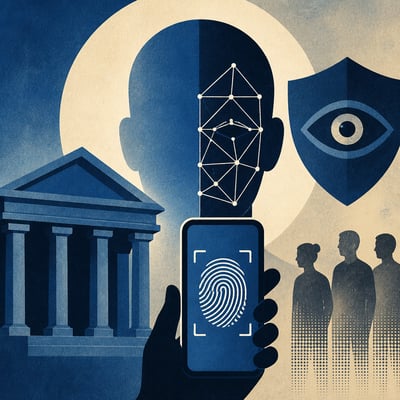
Lawmakers and witnesses are weighing digital identity verification as a way to reduce fraud in taxpayer-funded benefits, amid claims that artificial intelligence is accelerating synthetic identity attacks. The proposed tools could improve pre-payment screening, but privacy advocates warn that mobile credentials, biometric databases, and identity-use records could enable persistent tracking or later repurposing. The central policy issue is how to verify people and detect fraud without creating centralized systems that expand surveillance or restrict legitimate access to services.
First Article: 04/06/26
Latest Article: 07/16/26
Summary
- Congressional testimony linked stronger identity verification to efforts to prevent fraud in taxpayer-funded benefits programs.
- Industry witnesses said AI is making synthetic identity creation, identity theft, and rapid account funding easier.
- Proposals include replacing self-attestation with verified data in higher-risk cases and using fraud tools before funds are distributed.
- Privacy advocates warned that digital IDs could record interactions across purchases, banking, health care, government services, and websites.
- Banks and payment companies are expanding biometric and behavioral monitoring, increasing the value and sensitivity of centralized identity data.
- Safeguards under discussion include transparency, oversight, purpose limits, and alternatives that minimize stored personal information.
History
The story has become more concrete and legislative: it now centers on a specific House hearing and proposed screening changes for benefits fraud, rather than a general push toward digital ID. The privacy concerns also sharpen into a broader warning about persistent cross-sector tracking through centralized credentials and biometric records.
The story has broadened from a privacy-versus-biometrics debate in banking into a more operational fraud-control narrative centered on AI-driven synthetic identity attacks, especially in benefits and financial access. India remains part of the story, but the U.S. thread now includes more concrete institutional discussion around verification design choices and digital ID infrastructure.
Featured
Timeline: 102 Days
Hover over any logo to see coverage summary, click for full article.