
 Climate
 Privacy
 Bob Dylan
 Drones
 Data Centers
 AI Governance
 2026 Maine Senate Race
DHS Surveillance Targets Immigration Observers
Coverage from The Hill, Houston Public Media, and others
Articles
34
Active Days
155
The Topic
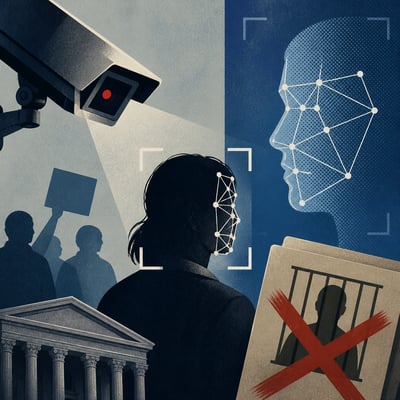
The topic centers on allegations that DHS components, including ICE and Border Patrol, collect and retain biometric, biographic, facial, license-plate, and situational information about people who observe or protest immigration enforcement, including some who were not arrested. An April letter to lawmakers appears to acknowledge that such information may be maintained as official government records, while DHS denies maintaining a standalone protester or domestic-terrorist database. Lawsuits in several jurisdictions challenge the surveillance, data retention, use of the information, and alleged retaliation through Trusted Traveler Program actions, while a separate case contests biometric requirements imposed on detained immigrants seeking legal relief.
First Article: 02/24/26
Latest Article: 07/28/26
Summary
- An April ICE letter says officers may collect biographic, biometric, and situational information about people reasonably believed to be involved in potential federal-law violations or posing safety concerns.
- The same letter indicates information from encounters that do not lead to arrest or detention may still be retained as official government records.
- Lawsuits allege DHS used facial recognition, license-plate readers, and related systems to identify immigration-enforcement observers and protesters.
- Plaintiffs in multiple cases allege surveillance data was used to chill protected activity or trigger revocations of Global Entry and TSA PreCheck privileges.
- DHS denies maintaining a standalone database of protesters or domestic terrorists and says Trusted Traveler decisions are based on eligibility and risk criteria.
- Separate litigation alleges that detained immigrants can be denied immigration-relief applications when DHS requires biometrics but does not collect them inside detention centers.
- The scope, legal basis, retention period, and sharing of the alleged records remain contested in court and public statements.
History
The story has broadened and sharpened: the current version adds a more explicit denial from DHS, extends the dispute to multiple lawsuits and a separate biometrics case, and frames the contested records as potentially official government records rather than just suspected surveillance material.
The story now centers more sharply on a concrete April ICE letter and a new lawsuit alleging that DHS biometric and surveillance practices affected detained migrants’ access to immigration relief, broadening the dispute beyond observer-tracking alone. The earlier allegations are also more explicit about retention and downstream consequences, including Trusted Traveler revocations.
Featured
Timeline: 155 Days
Hover over any logo to see coverage summary, click for full article.