
 Climate
 Privacy
 Bob Dylan
 Drones
 Data Centers
 AI Governance
 2026 Maine Senate Race
Government Data Sharing Draws Privacy Pushback
Coverage from GovTech, EarthTimes, and others
Articles
9
Active Days
160
The Topic
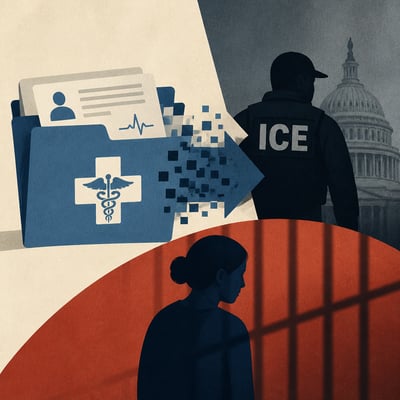
Government agencies and public-sector partners are expanding the use, analysis and sharing of personal data across immigration enforcement, health care, benefits, fraud investigations and administrative decision-making. The developments are generating demands for clearer notice, consent, data minimization, contractual safeguards, independent oversight and meaningful avenues to challenge decisions. Courts, lawmakers and public officials are weighing the potential benefits of analytics and service delivery against privacy risks, data-quality limits and the possibility that people will avoid public programs or lose trust in government.
First Article: 02/08/26
Latest Article: 07/17/26
Summary
- Maryland reports AI use across more than 50 agencies, with officials requiring human review while researchers seek clearer disclosure of system impacts and appeal rights.
- Federal access to state and local information for immigration enforcement is prompting resistance, judicial-order requirements and calls for data minimization and stronger vendor controls.
- Medicaid data sharing with DHS and ICE has triggered lawsuits and warnings that fear of enforcement could deter immigrant families from seeking health care.
- Proposed uses of municipal worker health data and Wisconsin SNAP transaction data raise questions about consent, reidentification, secondary uses and public disclosure.
- DOGE and Justice Department efforts use aggregated Medicaid data, cloud computing and AI to identify potential fraud, but data quality and evidentiary constraints remain unresolved.
- Across the cases, privacy protections are being tested when information collected for benefits, health care or administration is reused for enforcement, analytics or cost reduction.
History
The story now places greater emphasis on formal safeguards and litigation, with human review, independent oversight, and lawsuits becoming central to how these data-sharing efforts are being contested. It also sharpens the concern that privacy risks are not just theoretical but could directly deter immigrant families and program participants from using public services.
The story has broadened from Medicaid-immigration data disputes into a wider cross-government debate over using sensitive public data for AI-assisted analysis, fraud detection, research, and administrative decision-making. That expansion adds new actors and new privacy concerns around consent, notice, human review, and reidentification.
Featured
Timeline: 160 Days
Hover over any logo to see coverage summary, click for full article.