
 Climate
 Privacy
 Bob Dylan
 Drones
 Data Centers
 AI Governance
 2026 Maine Senate Race
Illinois BIPA Voice AI Litigation
Coverage from State Journal-Register, Bloomberg Law, and others
Articles
18
Active Days
134
The Topic
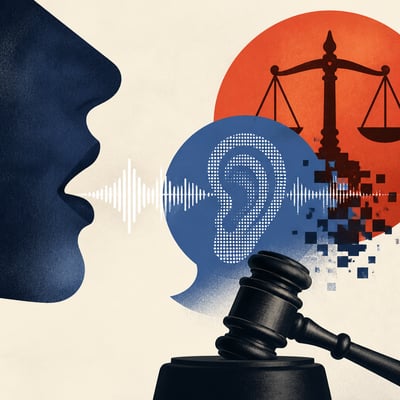
This topic centers on lawsuits in Illinois that use the state’s Biometric Information Privacy Act to challenge how companies collect and use voice and facial data in AI systems. The main dispute is whether recorded voices, voiceprints, and related biometric data count as protected identifiers that require written consent and disclosure. The litigation matters because it could expand BIPA beyond fingerprints and facial recognition into AI training, voice generation, and consumer personalization tools.
First Article: 02/27/26
Latest Article: 07/10/26
Summary
- Plaintiffs are using Illinois BIPA to challenge AI training on recorded voices, not just traditional fingerprint or facial-recognition collection.
- The core legal fight is whether voiceprints and other audio-derived data qualify as biometric identifiers under the statute.
- Major AI and tech companies named in the voice-training suits include Google, Amazon, Apple, Microsoft, Meta, Adobe, Samsung, ElevenLabs, NVIDIA, Suno, Udio, and Google’s Lyria 3.
- Courts are already testing similar privacy claims in consumer AI settings, including MAC Cosmetics’ virtual try-on tools and facial-geometry collection.
- Notice, written consent, and whether companies can identify a person from stored voice or facial data are recurring issues across the cases.
- The litigation strategy appears designed to sidestep copyright defenses by focusing on data collection and storage rather than use of protected works.
History
This topic is new, but as new articles are added to it this area will summarize shifts, changes and expansions of the issues.
Featured
Timeline: 134 Days
Hover over any logo to see coverage summary, click for full article.