
 Climate
 Privacy
 Bob Dylan
 Drones
 Data Centers
 AI Governance
 2026 Maine Senate Race
States Tighten Rules for Smart Surveillance
Coverage from Pennsylvania House Republican Caucus, NOLA.com, and others
Articles
26
Active Days
132
The Topic
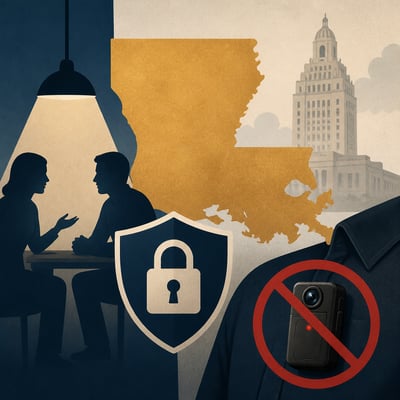
State lawmakers are advancing privacy safeguards for smart glasses, concealed recordings, automated license plate readers, facial recognition, and consumer data. Proposals include recording indicators, consent and notice requirements, limits on data collection and retention, judicial oversight, and local control, while Louisiana has enacted a broader consumer privacy law. The measures reflect efforts to address increasingly accessible recording and identification tools while preserving exceptions for law enforcement, emergencies, crime evidence, and other public-interest uses.
First Article: 03/16/26
Latest Article: 07/25/26
Summary
- Pennsylvania lawmakers introduced a bill requiring smart glasses to display a non-disableable indicator when recording and requiring retailers to explain state recording laws.
- Pennsylvania legislators proposed statewide safeguards for ALPRs and facial recognition, including limits on personal-data collection and retention and judicial oversight in certain circumstances.
- A separate Pennsylvania proposal would let municipalities decide whether automated license plate readers may be installed locally.
- Louisiana HB 410 would require notice before recording or transcribing direct in-person conversations, but its definitions, notice standard, and effects on legal and media work remain contested.
- Louisiana enacted a comprehensive data privacy law providing rights to access, correct, delete, and port data and to opt out of targeted advertising, data sales, and certain automated profiling.
- The proposals generally preserve exceptions for emergencies, crime evidence, law enforcement activity, public meetings, and recording officers performing official duties in public.
- Reported plans to add facial recognition to consumer smart glasses are increasing pressure for visible recording and identification safeguards, but the implementation status remains uncertain.
History
The main shift is that Pennsylvania’s smart-glasses and surveillance proposals have become more specific, adding a local-control bill and clearer concern about facial-recognition-enabled consumer glasses. Louisiana’s privacy story also now reflects enacted consumer-rights law plus continued controversy over concealed-recording notice rules.
The story now extends beyond Louisiana and smart-glasses notices to include a new Pennsylvania push for broader surveillance controls, especially license plate readers and facial recognition. That broadens the privacy debate from recording transparency and consumer data rights into a wider state-level regulatory campaign over biometric and law-enforcement technologies.
Featured
Timeline: 132 Days
Hover over any logo to see coverage summary, click for full article.