
 Climate
 Privacy
 Bob Dylan
 Drones
 Data Centers
 AI Governance
 2026 Maine Senate Race
Trump Climate Claims Face Fact Checks
Coverage from Carbon Brief, WTOP News, and others
Articles
16
Active Days
133
The Topic
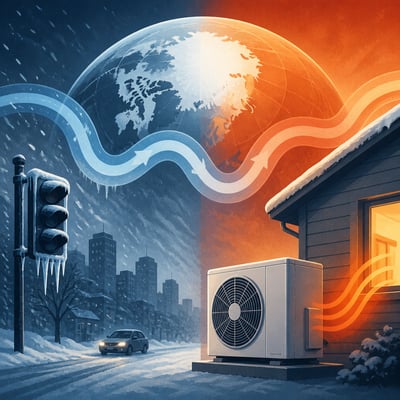
The topic centers on fact checks of Donald Trump’s claims that severe U.S. cold contradicts global warming and that revisions to emissions scenarios discredit climate projections. Scientists and climate institutions distinguish short-term regional weather from long-term global temperature trends, while explaining that RCP8.5 was a high-end scenario rather than a forecast and that updated scenarios do not eliminate climate risks. The material also links these disputes to attempts to challenge climate assessments and justify changes to U.S. environmental policy.
First Article: 01/23/26
Latest Article: 06/04/26
Summary
- Scientists distinguish short-term, regional cold outbreaks from long-term, global warming trends.
- NOAA data cited in the material places the recent period among the warmest in the instrumental record.
- RCP8.5 was designed as a high-end, no-policy pathway rather than a business-as-usual forecast.
- Updated scenario work makes the most extreme high-emissions pathway less plausible but does not eliminate substantial warming or climate impacts.
- The disputes extend beyond scientific interpretation to efforts to challenge climate assessments and the EPA endangerment finding.
- The wider material includes floods, heat, drought, storms, wildfires, and water stress, but these reports are less tightly connected to the central political fact-checking narrative.
History
The story now explicitly adds NOAA temperature records as supporting evidence and broadens the policy link from the EPA endangerment finding to wider U.S. environmental-policy implications. It also clarifies that updated emissions scenarios reduce the plausibility of the most extreme pathway without eliminating major climate risks.
The story has sharpened from a broad dispute over climate scenarios and cold-weather fact checks into a more explicit U.S. political and regulatory fight, especially over how climate assessments are being used against the EPA endangerment finding. It also more clearly reframes RCP8.5 as a high-end scenario rather than a forecast, while preserving the core weather-versus-climate message.
Featured
Timeline: 133 Days
Hover over any logo to see coverage summary, click for full article.