
 Climate
 Privacy
 Bob Dylan
 Drones
 Data Centers
 AI Governance
 2026 Maine Senate Race
Data Center Demand and Grid Reliability
Coverage from Inside Climate News, MIT News, and others
Articles
16
Active Days
159
The Topic
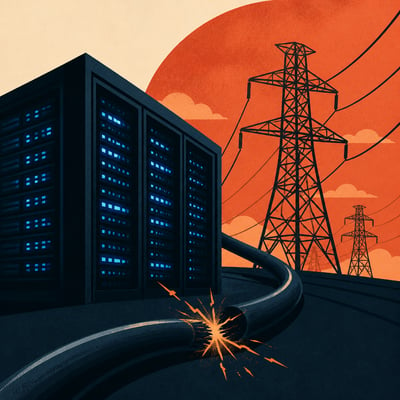
Fast-growing data center demand is pushing U.S. grid operators, utilities, and regulators toward new rules for interconnection, reliability, and cost allocation. The strongest signal is a shift toward flexible load, faster planning, and ratepayer protections as policy, market, and technical limits converge.
First Article: 01/29/26
Latest Article: 07/06/26
Summary
- Data center load growth is now a major driver of grid planning, interconnection reform, and reliability concerns across U.S. regions.
- FERC and NERC have both moved toward tighter rules for large loads, with more disclosure, standardized procedures, and reliability requirements.
- Flexible demand is the dominant proposed workaround: shifting data center consumption, using behind-the-meter generation, or aggregating distributed resources.
- Utilities and grid operators are trying to prevent cost shifting to residential and small commercial customers as large-load connections expand.
- Clean energy, storage, and non-wires solutions are increasingly framed as lower-cost ways to meet the same load growth.
- The main bottlenecks are interconnection queues, transmission constraints, volatile fuel dependence, and the long lead time for new infrastructure.
- The topic is operational and ongoing rather than historical, with most items reflecting recent policy action, modeling, and planning decisions.
History
The story has broadened from a general regulatory and reliability response into a more specific, operational push around large-load interconnection, pricing, and planning. It now emphasizes that FERC, major RTOs, and utilities are actively shaping rules to protect ratepayers while enabling flexible data center growth.
The story has shifted from general concern about data-center-driven grid stress to concrete regulatory and operational responses. FERC and NERC are now explicitly moving to tighten rules and standards, while operators are changing how large loads are reviewed and connected.
Featured
Timeline: 159 Days
Hover over any logo to see coverage summary, click for full article.