
 Climate
 Privacy
 Bob Dylan
 Drones
 Data Centers
 AI Governance
 2026 Maine Senate Race
Data Centers Weigh Gas Against Clean Power
Coverage from Reuters, Energy Storage, and others
Articles
22
Active Days
160
The Topic
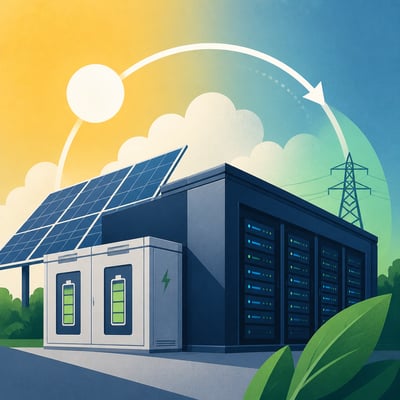
U.S. data-center expansion, particularly for artificial intelligence, is driving major new electricity demand and forcing decisions about how that power will be supplied. Planned behind-the-meter gas plants could accelerate construction but raise concerns about greenhouse-gas emissions, air pollution, fuel-price exposure, grid oversight, and costs for other customers. Renewable power paired with storage, demand response, and more efficient facility design is presented as an alternative that could reduce these risks while improving grid flexibility and community resilience.
First Article: 02/19/26
Latest Article: 07/28/26
Summary
- Planned gas plants dedicated to U.S. data centers could add substantial emissions and local air-pollution risks, according to environmental reviews.
- Behind-the-meter generation is advancing partly because grid interconnection and permitting can take longer than data-center developers can accept.
- Large data-center loads are raising concerns about electricity rates, fuel-price volatility, stranded infrastructure, and whether other customers will bear related costs.
- Renewables, batteries, and demand response are emerging as ways to serve large facilities while reducing peak demand and reliance on gas.
- Google’s Michigan proposal illustrates a cleaner, more flexible model involving renewable projects, storage, and the ability to reduce consumption during grid stress.
- Some researchers argue that batteries, on-site generation, waste-heat reuse, and more efficient computing could turn data centers into local resilience and heating assets.
History
The story is now framed more explicitly around the tradeoff between faster behind-the-meter gas buildouts and cleaner, grid-supportive alternatives, with new emphasis on interconnection and permitting delays as the reason developers favor self-supplied power. It also more directly highlights local pollution, fuel-price risk, and cost-shifting concerns.
The story has broadened from a general debate over how data centers should be powered to a more concrete U.S. policy and project picture, with specific developers, utilities, and federal actors now tied to gas-versus-clean-power decisions. The new emphasis is on behind-the-meter gas plants, regulatory controls, and who bears the cost and pollution burden.
Featured
Timeline: 160 Days
Hover over any logo to see coverage summary, click for full article.