History
07/22/20260 new articles
The update sharpens the story from general Hormuz-driven energy disruption to a more specific view of how LNG remains hardest to replace while oil markets are being temporarily cushioned. It also adds a clearer policy response: some importers are extending fossil-fuel use in the short term while India deepens ties with the U.S. and leans further toward domestic clean-energy safeguards.
07/22/20260 new articles
The story now centers more on direct damage to Qatar’s LNG export infrastructure and the addition of LPG disruptions, making supply risk more immediate than before. It also adds clearer country-specific reactions, especially India’s shift toward U.S. LNG and LPG, rather than just broad concern about import dependence.
- Qatar’s Ras Laffan LNG facility has suffered missile damage.
- LPG trade is now also being disrupted around Hormuz.
- India has sharply increased LNG and LPG purchases from the United States.
- Countries are using emergency stock releases and sanctions waivers.
- U.S. LNG terminals have limited near-term spare capacity.
07/22/20261 new articles
The story shifts from a general Hormuz supply squeeze to a more specific war-linked disruption that has directly hit Qatar’s LNG output, while also identifying clearer near-term oil buffers and longer-term energy-security responses. It now emphasizes both immediate emergency measures and a broader strategic reassessment around cleaner and more diversified energy supplies.
- Qatar’s LNG output and exports have been disrupted.
- Ras Laffan reportedly suffered missile damage and output stoppages.
- Oil and refined-fuel markets are receiving temporary support from sanctions waivers.
- India is increasing U.S. fuel imports to reduce Hormuz exposure.
- The disruption is prompting renewed focus on batteries and diversified supply.
05/19/20260 new articles
The story is now framed more explicitly around immediate market tightness and policy responses, with LNG described as more constrained and oil as still partly cushioned by temporary buffers. The climate-policy angle also sharpens, emphasizing near-term fossil-fuel responses and the risk of delayed transition decisions.
05/11/2026Topic Formed
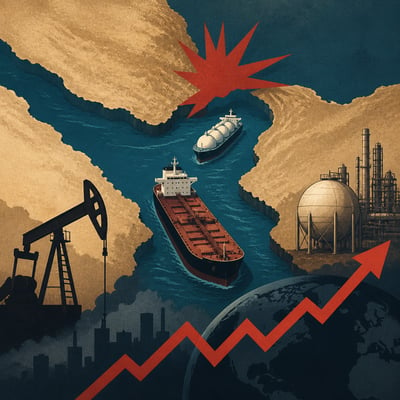
The cluster is centered on a geopolitical disruption around the Strait of Hormuz and its effects on global oil and LNG supply, prices, and fuel security. Current coverage emphasizes constrained LNG routing and export capacity, large oil-flow shortfalls, limited buffer mechanisms, and spillover pressure on power generation, industry, and inflation. A secondary but persistent thread is that higher fossil-fuel prices may temporarily favor coal or slow clean-energy transitions in some countries.

 Climate
 Privacy
 Bob Dylan
 Drones
 Data Centers
 AI Governance
 2026 Maine Senate Race