
 Climate
 Privacy
 Bob Dylan
 Drones
 Data Centers
 AI Governance
 2026 Maine Senate Race
AI Data Centers Strain Climate Goals
Coverage from Inside Climate News, Axios, and others
Articles
14
Active Days
70
The Topic
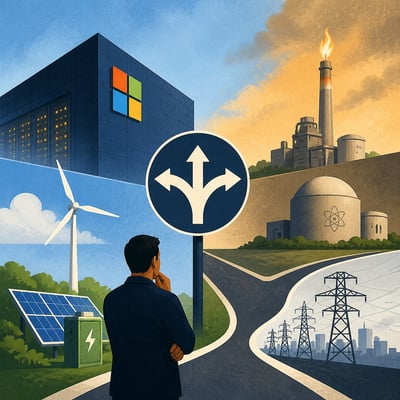
Microsoft and other major tech companies are reporting higher emissions as AI data centers expand electricity demand, while companies revisit clean-energy pledges, procurement methods, and power-supply choices. The most persistent tension is between rapid infrastructure growth and the pace of low-carbon power delivery.
First Article: 05/06/26
Latest Article: 07/14/26
Summary
- Microsoft's latest sustainability reporting shows a sharp year-over-year emissions increase tied to AI data center growth and higher electricity use.
- Google, Amazon, and Microsoft are all being linked to rising corporate emissions as AI infrastructure expands, with scope 3 and supply-chain emissions remaining important.
- Renewable procurement accounting is a major fault line, especially around unbundled certificates, hourly matching, and whether reported reductions reflect real additional clean power.
- The operational problem is shifting from annual renewable purchases to around-the-clock power for large data centers, which is pushing interest toward gas, nuclear, storage, and transmission upgrades.
- Virginia has emerged as a key stress point because dense data center growth there intersects with utility planning, fossil capacity decisions, and clean electricity targets.
- Water impacts remain secondary to electricity demand but are still part of the same infrastructure story, with Microsoft reporting improved water efficiency and net replenishment globally.
- The topic is fairly coherent and current, with most articles repeating the same underlying mechanism: AI buildout is outpacing existing decarbonization and grid procurement frameworks.
History
The story has broadened from Microsoft reconsidering a clean-electricity target to a wider industry pattern of AI-driven emissions growth and pressure on procurement methods. It now places more emphasis on accounting rules, around-the-clock power needs, and Virginia grid stress as the practical bottlenecks.
The story is now framed more explicitly as a question of whether Microsoft will delay, soften, or drop its 2030 hourly clean electricity target, not just whether it will adjust procurement methods. The feasibility challenge has also broadened beyond supply mix to include grid, transmission, and interconnection constraints.
Featured
Timeline: 70 Days
Hover over any logo to see coverage summary, click for full article.