
 Climate
 Privacy
 Bob Dylan
 Drones
 Data Centers
 AI Governance
 2026 Maine Senate Race
Last Update: 08/01/2026 at 3:33 PM EST
FCC Identity-Linked Phone Rules
Coverage from Fortune, 404 Media, and others
Articles
6
Active Days
36
The Topic
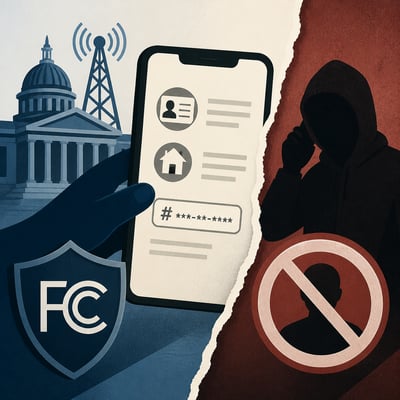
FCC rulemaking is moving toward mandatory identity collection for telecom and VoIP customers, with advocates warning that anonymous prepaid phone use would be sharply reduced and sensitive personal data would be concentrated in carrier systems.
First Article: 06/09/26
Latest Article: 07/14/26
Summary
- The FCC is advancing a know-your-customer style telecom rule that would tie phone service to named individuals.
- Proposed requirements include government ID numbers, physical addresses, and in some cases alternate phone numbers and additional business or foreign-customer data.
- The main policy rationale is fraud, scam, and robocall mitigation, with some language also referencing espionage and influence-operations risks.
- Privacy and civil liberties groups argue the rule would end or narrow burner-phone anonymity for journalists, survivors of abuse, refugees, whistleblowers, and other users who rely on unlinked prepaid service.
- A major concern is data concentration: telecoms would hold more sensitive identifiers, increasing the downside of breaches or misuse.
- Supporters frame the policy as a practical anti-fraud measure, while critics question whether criminals would be meaningfully deterred.
- The current signal is strong and coherent, but it is still a proposal/comment-stage policy rather than an enacted nationwide change.
History
The story has broadened from a telecom-only identity-collection proposal into a more explicitly know-your-customer style rule that now also covers VoIP providers and foregrounds data-security concerns. The framing has become slightly more concrete and urgent, but it remains a proposed rule rather than an enacted policy.
Featured
07-14-2026
FCC adopted FCC 26-27 on April 30 requiring VoIP providers to collect customer ID and address details, prompting privacy groups to warn of anonymity loss and breach targeting risk.
06-09-2026
The FCC proposes rules requiring telecoms to collect government-issued identity numbers and physical addresses for new and renewing phone customers in the United States.
06-17-2026
The FCC seeks comment on Know-Your-Customer Requirements that would force telecom providers to collect government IDs for each cellphone line amid privacy objections.
Timeline: 36 Days
Hover over any logo to see coverage summary, click for full article.
Additional Articles
⭐⭐⭐⭐⭐
EFF and ACLU oppose an FCC requirement for telecom providers to collect enhanced KYC information for phone number access, arguing STIR/SHAKEN compliance is a better robocall mitigation strategy.
FCC proposed a U.S. rule eliminating burner phones by requiring telecoms to collect and retain subscriber identity and IP data.
The FCC proposed anti-robocall changes in the U.S. that would increase wireless carrier collection of consumer personal details, prompting privacy objections.