
Last Update: 08/01/2026 at 3:33 PM EST

Fossil Fuel Messaging Shapes Climate Debate

Coverage from Grist, DeSmog, and others

Articles

9

Active Days

151

The Topic
Fossil Fuel Messaging Shapes Climate Debate topic image

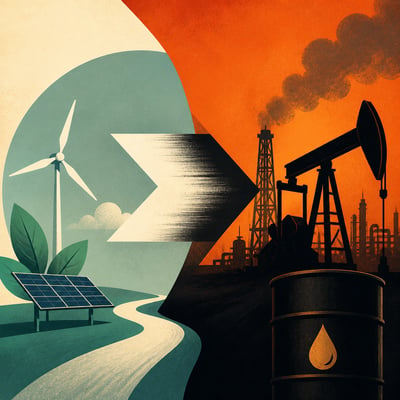
The topic centers on how fossil fuel companies and allied organizations have used advertising, public relations, research funding, and policy engagement to present oil and gas as necessary, cleaner than alternatives, or compatible with climate action. Recent analyses describe a shift from prominent transition pledges toward energy-security, economic-resilience, and technology-focused messaging, while historical investigations trace similar efforts around natural gas, methane, and industry-supported research. The material matters because these narratives can affect public understanding, policymaking, investment, and the perceived need for direct reductions in fossil fuel use.

First Article: 02/28/26

Latest Article: 07/28/26

History

07/23/20260 new articles

The story is reframed more broadly around coordinated fossil-fuel communications and research strategies, rather than mainly a shift in messaging. It now adds new institutional actors and a stronger emphasis on the evidence base and debate over research independence.

07/22/20262 new articles

The story broadens from corporate climate messaging to include how fossil fuel firms have also shaped research agendas and policy debates, with a deeper historical arc running from the 1960s to today. The new version also sharpens the claim that natural gas and climate-tech narratives were used to defend continued oil and gas use, not just to soften public messaging.

  • Narrative extends back to the 1960s.
  • Sponsored university research becomes part of the story.
  • Methane leakage concerns are tied to gas promotion.
  • EPA inventory methods are described as using a contested benchmark.
  • Gas Research Institute is identified as an industry vehicle.
05/22/20260 new articles

The story now places greater emphasis on how oil companies pair renewables with continued fossil fuel expansion, framing the messaging shift as more adaptive and strategy-linked rather than just a change in climate rhetoric. It also broadens the evidence description to include a wider range of corporate communication channels.

05/11/2026Topic Formed

Major oil and gas firms are being documented as shifting climate messaging away from transition claims and toward fossil fuel permanence, energy security, and selective low-carbon technologies. The strongest evidence comes from repeated analyses of BP, Shell, ExxonMobil, Chevron, and TotalEnergies communications from 2020 to 2024.