
 Climate
 Privacy
 Bob Dylan
 Drones
 Data Centers
 AI Governance
 2026 Maine Senate Race
Climate Heat Forces Sports Adaptation
Coverage from TIME, NPR, and others
Articles
10
Active Days
151
The Topic
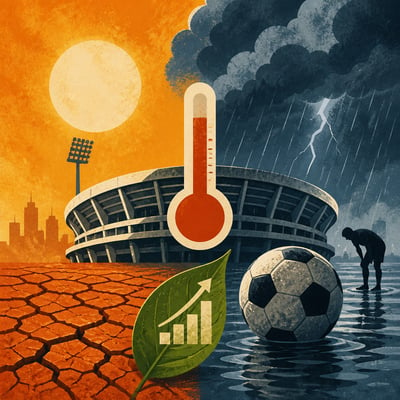
Climate change is increasingly affecting sports through dangerous heat, humidity, wildfire smoke, heavy rain, storms, and declining reliability of natural conditions. Major organizations are adjusting calendars, hydration procedures, facilities, and training practices, while community and youth programs often lack comparable resources. The effects extend from athlete and spectator safety to event revenues, participation, and the environmental footprint of the sports industry.
First Article: 02/26/26
Latest Article: 07/26/26
Summary
- Extreme heat and humidity are increasing risks to athlete performance, recovery, and health during major competitions.
- Sports bodies are moving events away from peak heat and introducing hydration breaks, cooling measures, monitoring, and other operational changes.
- Youth and community sports programs face greater disruption from unsafe conditions, damaged facilities, and limited resources for relocation or rebuilding.
- Climate hazards threaten participation, spectator experiences, event operations, supply chains, and sports-related revenues.
- Sports also contribute to climate pressures through travel, facilities, equipment, waste, energy use, and water consumption.
- Adaptation capacity is uneven, making public facilities, schools, parks, and universities important to maintaining affordable access to play.
History
The story is modestly reframed toward specific institutional responses and recent timing, with FIFA and the BCCI now highlighted as active actors rather than just general sports bodies. It also sharpens the scope to 2024–2026 developments and projections to 2050.
The story has broadened from elite-event adaptation to a wider sports-economy and community-access problem. It now emphasizes that climate hazards are threatening participation, facilities, and revenues across grassroots and commercial sports, not just altering competition conditions.
Featured
Timeline: 151 Days
Hover over any logo to see coverage summary, click for full article.