
 Climate
 Privacy
 Bob Dylan
 Drones
 Data Centers
 AI Governance
 2026 Maine Senate Race
Electrification Reshapes Clean Energy Transition
Coverage from World Economic Forum, The Guardian, and others
Articles
15
Active Days
193
The Topic
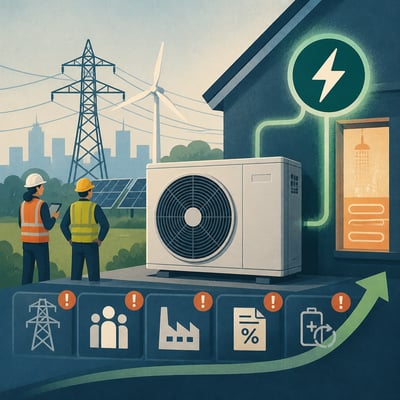
Electrification is moving from a power-sector goal toward a broader strategy for reducing fossil-fuel dependence in buildings, transport, industry, and infrastructure. The material emphasizes that electric technologies can improve energy efficiency and reduce exposure to volatile imported fuel markets, but faster progress will require cheaper electricity, stronger grids, flexible demand, targeted finance, and continued clean-power growth. Europe faces particular pressure to convert its clean electricity gains into wider use of electric vehicles, heat pumps, and industrial equipment, while China’s next phase of emissions reduction increasingly depends on electrifying heavy industry.
First Article: 01/01/00
Latest Article: 07/17/26
Summary
- The global electricity share of final energy use remains about one-fifth, with proposed ambitions to reach 35% by 2035.
- The IEA estimates that reaching the EU’s 2030 electrification goal would add about 600 TWh of electricity demand across industry, buildings, and transport.
- Europe has expanded clean power rapidly but has been slower to replace gas heating, petrol vehicles, and other fuel-burning equipment.
- Heat pumps, electric vehicles, industrial electric heat, storage, smart charging, and flexible tariffs are recurring solutions across the material.
- China’s emissions challenge is shifting toward steel, cement, and chemicals, where electrification and renewable hydrogen depend on abundant, flexible clean electricity.
- Grid constraints, high electricity taxes, and exposure to LNG and fuel-price shocks could slow the transition.
History
The story shifts from a broad case for electrification to a more specific policy and infrastructure problem: the limiting factors are now framed as electricity affordability, grid constraints, and fuel-price exposure. It also adds clearer quantitative benchmarks for the EU and global electrification targets.
The story is reframed more explicitly around electrification as a multi-sector demand and infrastructure challenge, not just a clean-power expansion story. It also adds clearer emphasis on heat pumps, electric vehicles, and grid-flexibility requirements as the main bottlenecks to progress.
Featured
Timeline: 193 Days
Hover over any logo to see coverage summary, click for full article.