History
07/23/20260 new articles
The story is reframed less as a general CCS growth-and-uncertainty narrative and more as a direct policy fight over whether to expand or constrain federal and state support. The current version sharpens the opposing camps and adds specific advocacy voices, but no major new event or outcome appears.
07/22/20260 new articles
The story has shifted from a general policy tug-of-war to a more concrete picture of sector buildout being constrained by federal funding cuts and state permitting capacity. The new emphasis is on how Class VI primacy, 45Q transferability, and verified monitoring now directly determine whether projects can reach commercial scale.
- DOE canceled carbon capture projects and proposed cuts to carbon management funding.
- States are taking a larger role through EPA-approved Class VI primacy.
- 45Q transferability is now central to project financing.
- Approved MRV plans affect tax-credit eligibility and storage accountability.
- High capital costs and construction constraints are slowing adoption.
05/22/20260 new articles
The story has been reframed from a broader conflict over CCS policy pressures into a tighter debate over whether carbon capture should be viewed primarily as decarbonization infrastructure or as a subsidy that can prolong fossil-fuel use. The new version also elevates state permitting authority and CO2 infrastructure as the main practical enablers of deployment.
05/11/2026Topic Formed
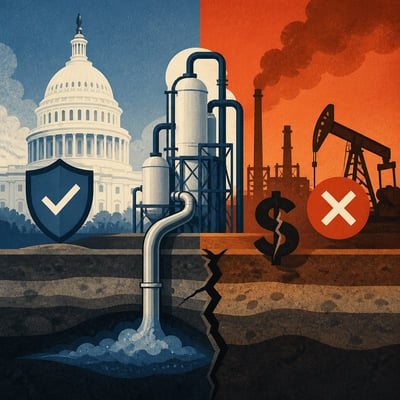
US carbon capture policy is under strain as federal funding cuts, permitting bottlenecks, and tax-credit disputes collide with efforts to scale CCS through state primacy, MRV rules, and 45Q incentives. Supporters frame the technology as a necessary industrial decarbonization tool, while critics argue the subsidy structure can extend fossil fuel use and enhanced oil recovery.

 Climate
 Privacy
 Bob Dylan
 Drones
 Data Centers
 AI Governance
 2026 Maine Senate Race