
 AI Governance
 Data Centers
 Drones
 Climate
 Privacy
 2026 Maine Senate
 Bob Dylan
Dedicated Power Buildout
The ongoing major issues seen in articles and topics over time.
The Drivers
26
Articles Related
750
The Big Picture
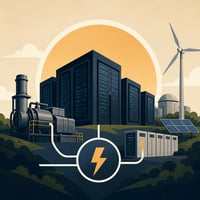
Data center developers are increasingly pairing campuses with on-site generation, long-term power purchase agreements, gas turbines, batteries, renewables, nuclear concepts, and private energy infrastructure. The enduring issue is how compute growth reshapes power procurement and generation development outside traditional utility timelines.
Power availability is becoming a competitive advantage and a siting prerequisite. Behind-the-meter generation and dedicated energy projects can accelerate data center deployment, but they also raise emissions, air permitting, water-use, reliability, and public oversight questions.
Categories
Power Procurement & Grid, Infrastructure & Site Development, Permitting & Regulation, Technology & Operations
Keywords
20-year power agreement, backup generation as grid resource, backup power, battery energy storage system, battery storage, behind-the-meter fuel cells, behind-the-meter power, BESS, bring your own generation, bring your own power, BYOG, BYOP, Caterpillar turbines, CLR, co-located generation, customer-funded generation, customer-specific power plant, customer-supplied generation, dedicated clean power, dedicated gas plant, dedicated generation, dedicated natural gas supply, diesel generators, direct generation agreement, energy campus, fuel cells, gas bridge, gas firming, gas microgrid, gas pipeline, gas turbine order book, gas turbines, gas-fired AI data center, gas-plus-nuclear, GE Vernova 7HA, GE Vernova turbines, generation-load pairing, high-impact microgrid, industrial gas turbines, islanding, long-duration power supply agreement, microgrid, microgrid certification, mobile gas turbines, multi-gigawatt energy campus, natural gas plant, nuclear data centers, off-grid power plant, on-demand generation, on-site generation, onsite natural gas generation, Permian gas demand, phased power campus, portable gas turbine permitting, power availability, power campus, power plant acquisition, power purchase agreement, power-first development, private grid, private power campus, private transmission system, Project Kilby, renewable procurement, self-limiting facility, small modular reactor pairing, SMR pairing, speed to power, stationary source treatment, temporary turbines, tolling agreement, turbine procurement, turbine slot reservations, turbines as primary power, wind solar battery campus, WLPUN
The Drivers
The Topics below, and their articles, all focus on, exemplify, or help to explain this theme.
Primary
- 98
Meta Builds Alberta AI Data Center
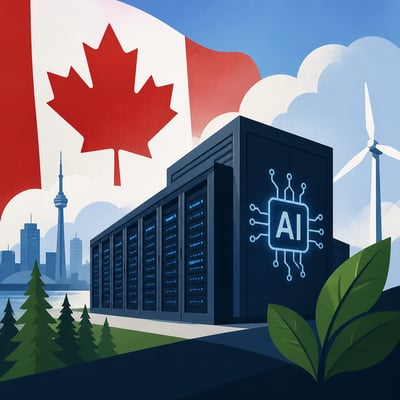
Meta plans to build a 1-gigawatt data center in Sturgeon County, Alberta, its first in Canada, with an investment reported at about C$13 billion or US$9 billion and a potential expansion to 1.8 gigawatts. Meta will fund new generation and grid infrastructure, while Pembina Pipeline and partners are advancing the 932-megawatt Greenlight natural-gas power plant, expected to operate in 2030 and support the site under a long-term agreement. The project could accelerate Alberta’s data center ambitions and create new demand for Western Canadian gas, but it also highlights a tension between the province’s fossil-fuel-based power strategy and Canada’s clean-energy goals.
Articles: 15
Last Updated: 07/09/2026
- 97
Project Jupiter’s Power Plan Under Pressure
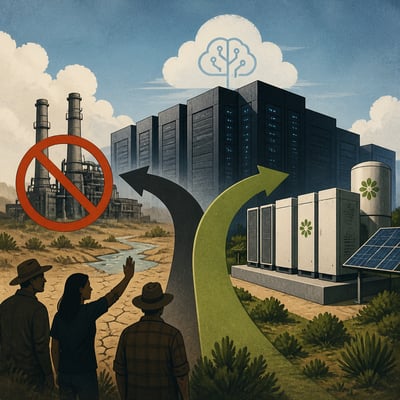
Oracle’s Project Jupiter data center in Doña Ana County, New Mexico is revising its planned power system after regulators rejected a natural-gas pipeline tied to the campus. Oracle and developer BorderPlex Digital Assets have shifted from gas turbines and diesel generation toward Bloom Energy fuel cells, while also proposing closed-loop cooling and non-potable water use. The project’s scale, environmental impact, permit delays, legal challenges, and unresolved fuel supply create uncertainty around its cost, schedule, emissions, and ability to secure power.
Articles: 12
Last Updated: 09/01/2026
- 96
Goldman Picks Kodiak And Williams For Data Center Power Growth
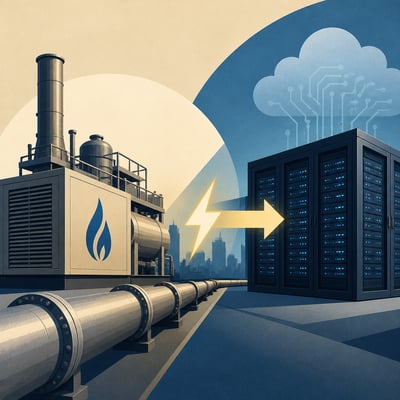
Energy companies are expanding behind-the-meter natural gas generation to serve data centers as grid access and local capacity become constraints. Kodiak Gas Services and Baker Hughes are targeting up to 1.8 GW by 2030, while Williams and Blackstone are funding a roughly 2.6 GW portfolio across Ohio and Utah, linking power generation, pipelines, and data center demand. These projects could shorten power-delivery timelines and improve reliability for large computing customers, but their execution, capital requirements, and project schedules remain important variables.
Articles: 3
Last Updated: 07/20/2026
- 95
Google Pairs Texas Data Centers With Power
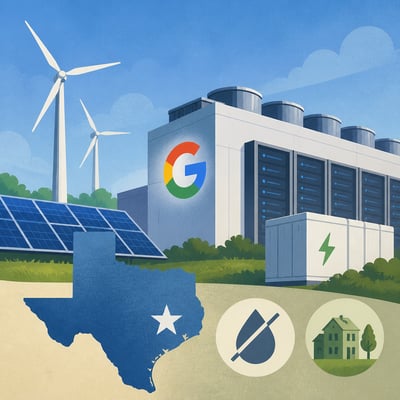
Google is expanding data center capacity in Texas while testing a power-first model that develops computing facilities alongside dedicated wind, solar, battery storage, and supplemental gas generation. The company is also signing large solar power agreements, funding Texas water projects, and promoting air-cooling or closed-loop systems to address resource concerns. These efforts could shorten power-supply timelines for new facilities, but they also raise questions about grid impacts, community acceptance, water stewardship, and whether planned clean-energy capacity will match rising demand.
Articles: 9
Last Updated: 07/20/2026
- 95
Alaska Data Center Proposals Face Scrutiny
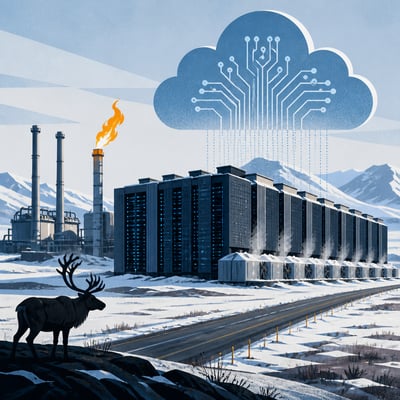
Alaska is reviewing multiple proposals that could support large data centers, including Stak Energy’s North Slope project and a potential AIDEA-led industrial district near Houston. Stak’s plan would generate at least a gigawatt from nearby natural gas for AI and cloud customers, while the Houston proposal would reserve land for utility corridors, logistics facilities and possible data centers. The projects face unresolved questions about land transfers, public acceptance, water and gravel use, connectivity, financing and final customer demand.
Articles: 10
Last Updated: 07/20/2026
- 94
AI Data Center Power Access
AI data-center expansion is increasingly constrained by the speed and availability of electricity, not only by computing hardware. Long utility interconnection queues are driving a layered power strategy that combines grid supply with fuel cells, mobile gas generation, battery storage, and microgrids. Oracle's multigigawatt Bloom Energy agreements and Brookfield's expanded financing framework provide the clearest commercial signals. Higher rack densities are also driving 800-volt DC distribution, advanced controls, and coordinated cooling. Faster off-grid approvals are accelerating projects while increasing scrutiny of emissions, permitting, and public oversight.
Articles: 31
Last Updated: 08/28/2026
- 91
Quantica Broadview Campus Faces Local Review
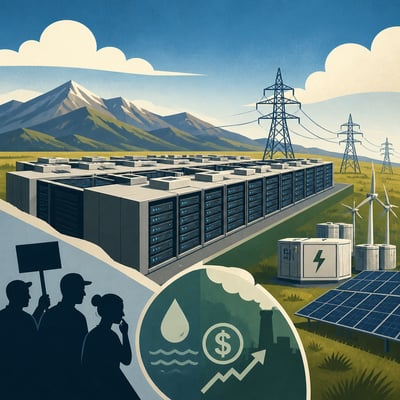
Quantica Infrastructure is planning a 5,000-acre data center campus near Broadview, Montana, with a first building targeted for 2029. The company has sought grid capacity of up to 7,235 megawatts while evaluating renewable power, battery storage, and 1,785 megawatts of potential gas generation. The proposal remains early-stage and faces air-permitting requirements, environmental concerns, and an effort by nearby residents to require voter approval.
Articles: 5
Last Updated: 09/01/2026
- 91
Utilities Race To Power AI Data Centers
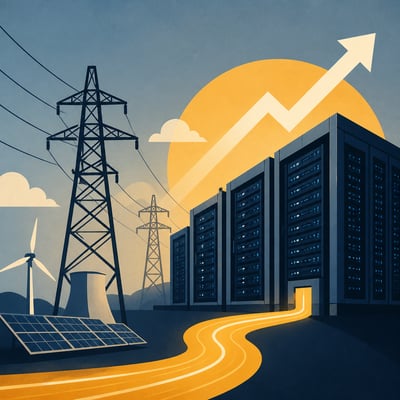
U.S. utilities and technology companies are committing substantial capital to meet fast-growing data center electricity demand, particularly in regions including Indiana, Ohio, Oklahoma, Texas, Michigan, Virginia, and Minnesota. AEP has raised its five-year capital plan to $78 billion, while other projects use batteries, solar, fuel cells, gas generation, and aggregated home devices to shorten power timelines when grid connections are delayed. These efforts could accelerate new energy investment and improve grid flexibility, but they also raise questions about emissions, customer costs, regulatory approval, project execution, and whether projected AI demand will materialize.
Articles: 13
Last Updated: 09/10/2026
- 91
Homer City Gas Pipeline Opposition
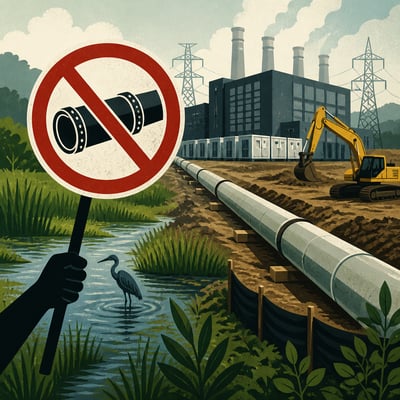
Residents and environmental groups are challenging a proposed 5.8-mile gas pipeline tied to the Homer City data center and 4.5-gigawatt power project in Indiana County, Pennsylvania. Their concerns center on water quality, wetland and stream crossings, drilling-fluid risks, transparency, and the use of public funds for private infrastructure. The pipeline review is unfolding alongside active construction on the larger site and broader political support for faster permitting of energy projects.
Articles: 4
Last Updated: 06/07/2026
- 88
Kenya Data Center Power Dispute

Microsoft and G42's planned Kenya data center is stalled over guaranteed capacity payment demands and power-availability concerns, even as officials say talks continue and a smaller related project remains in play.
Articles: 8
Last Updated: 05/16/2026
- 82
Geothermal Power Could Decarbonize Singapore’s Data Center Boom
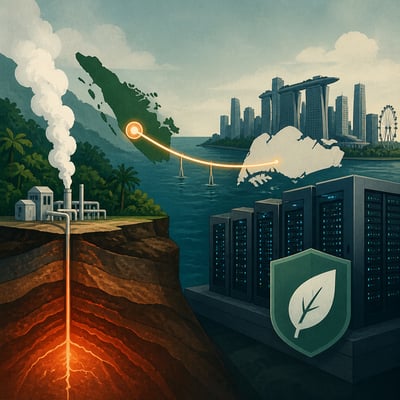
Data center operators and policymakers are exploring geothermal power to provide continuous, lower-carbon electricity as demand grows and grid, land, and emissions constraints tighten. Announced agreements involving Google, Meta, and Amazon indicate early commercial traction in the United States, while a proposed Sumatra–Singapore interconnection would link South Sumatran geothermal resources to Singapore’s expanding data center market. The approach still depends on successful exploration, new transmission, financing, permitting, and cross-border coordination.
Articles: 3
Last Updated: 07/21/2026
Secondary
- 89
Meta’s Hyperion Campus Reaches 5 GW
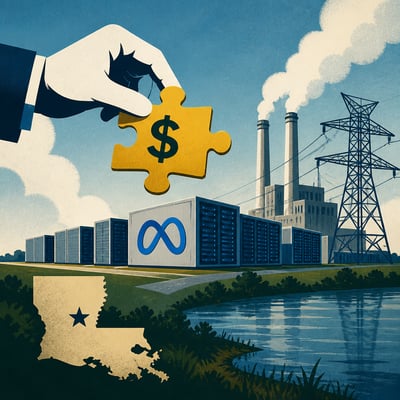
Meta is expanding its Hyperion data center campus in Richland Parish, Louisiana, to as much as 5 gigawatts of compute capacity, with reported regional investment approaching $50 billion. The project requires major electricity, transmission, water, wastewater, and road upgrades, while Entergy develops supporting generation and storage and Louisiana considers tax treatment for data centers. The buildout could bring substantial construction activity, jobs, contracts, and public revenue, but its scale has also prompted scrutiny over ratepayer exposure, water use, land impacts, and regulatory transparency.
Articles: 43
Last Updated: 08/27/2026
- 87
Data Centers Turn To Nuclear Power
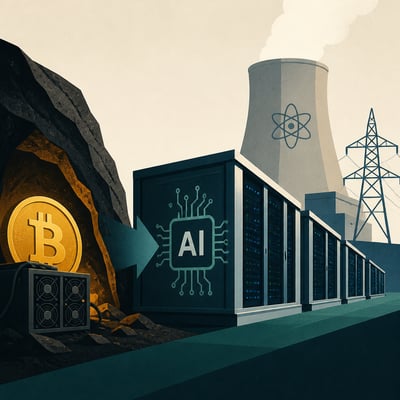
Data center developers and technology companies are turning to existing nuclear plants, proposed small modular reactors, and long-term power contracts as electricity demand rises and grid availability tightens. Microsoft, Google, Meta, and Riot Platforms are pursuing different versions of this approach, ranging from the planned restart of Iowa’s 615-megawatt Duane Arnold plant to early-stage reactor concepts for future AI campuses. The strategy could provide dependable power, but permitting, financing, construction timelines, supply chains, and local opposition make many nuclear-powered data center plans long-term rather than immediately available.
Articles: 7
Last Updated: 07/14/2026
- 82
Oregon Raises Data Center Rates
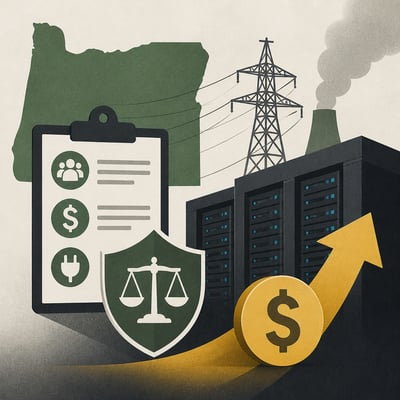
Oregon regulators approved a new Portland General Electric rate structure that raises electricity costs for large data center customers by about 29% while reducing average rates for residential and other customer classes. The framework, established under the POWER Act, also assigns large facilities greater responsibility for grid infrastructure costs, requires long-term commitments, and adds protections against abandoned or excess demand. The decision could influence how other states allocate the cost of expanding electricity service for data centers.
Articles: 42
Last Updated: 09/17/2026
- 81
Xai’s Gas Turbines Face Local Limits
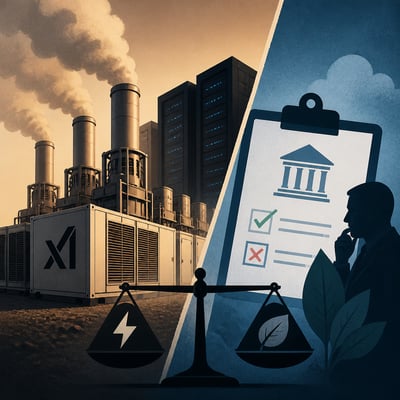
xAI is powering its Colossus data centers near Southaven, Mississippi, with dozens of natural gas turbines while grid interconnection and permanent generation plans develop. Environmental groups and residents allege that the turbines operated without required permits or pollution controls and have contributed to air pollution, noise, vibration, and sleep disruption; xAI and Mississippi regulators dispute or contest parts of those claims. The resulting lawsuits, permit appeals, and proposed transition to quieter permanent turbines could affect the sites’ operating costs, construction timeline, and ability to expand.
Articles: 42
Last Updated: 09/02/2026
- 80
Oracle’s Backlog Meets Buildout Costs
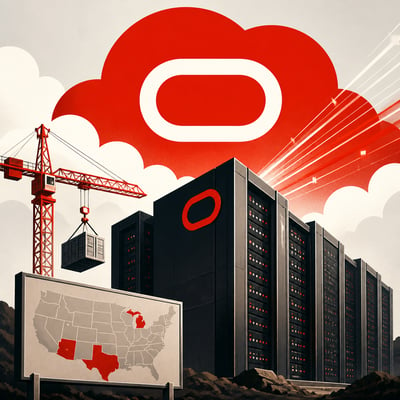
Oracle is rapidly adding AI data center capacity to support a large cloud backlog, including projects tied to OpenAI and the Stargate program. The company activated more than a gigawatt of capacity in fiscal 2026, expects another roughly gigawatt online in the next quarter, and has several large campuses under development. The expansion is increasing capital needs, debt exposure, and negative free cash flow, making construction delivery, power availability, customer commitments, and backlog conversion central issues.
Articles: 38
Last Updated: 09/21/2026
- 78
Who Pays For Virginia’s Data Center Boom
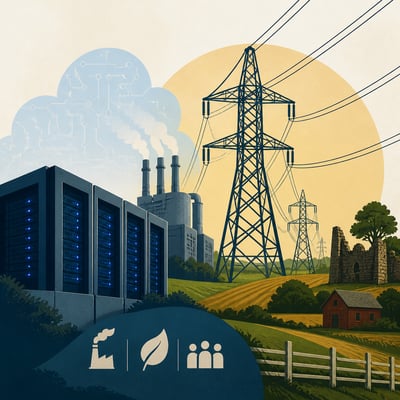
Virginia regulators are shifting more of the cost of dedicated transmission lines, substations, and other grid upgrades onto data centers and other large-load customers as electricity demand accelerates. Dominion Energy and PJM are planning or evaluating major transmission, generation, and demand-management measures, while residents and environmental groups challenge projects over rates, land, water, emissions, and reliability. The central issue is whether Virginia can connect new data centers without transferring their costs and risks to households, businesses, or affected communities.
Articles: 15
Last Updated: 09/06/2026
- 74
Lexington Puts Data Centers On Hold

Lexington-Fayette has paused data center development while officials consider zoning rules that would prohibit large facilities and conditionally allow smaller ones in selected industrial areas. Proposed requirements address electricity use, water, noise, transmission impacts, stormwater, cooling, decommissioning, and setbacks from homes and sensitive sites. The debate was prompted in part by DartPoints’ plan to expand a former Lexmark data center toward as much as 70 megawatts, making the final rules significant for the project’s timeline and for future data center siting in Fayette County.
Articles: 34
Last Updated: 09/09/2026
- 74
AI Data Center Financing Meets Physical Constraints
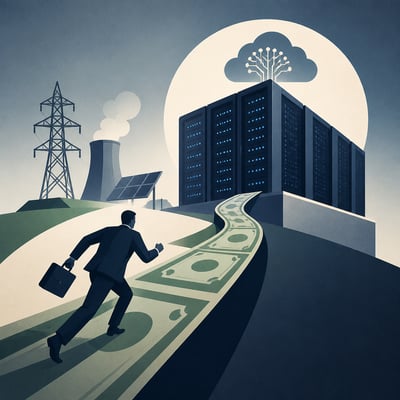
AI-driven data center expansion is drawing private equity, debt, equity, and infrastructure capital into hyperscale, colocation, and power-linked projects. Growth remains constrained by grid interconnection, permitting, construction delivery, water availability, and uncertainty over leverage, monetization, and investor returns.
Articles: 43
Last Updated: 09/17/2026
- 74
Utah Issues New Data Center Development Order
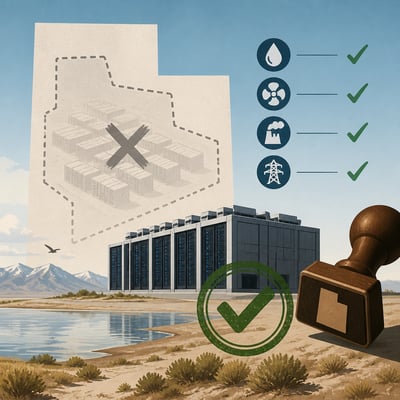
Utah is moving forward with a proposed Box Elder County data center while limiting initial approvals to a facility of up to 1.5 gigawatts and fewer than 2,000 acres, rather than immediately authorizing the potential 7.5-to-9-gigawatt, 40,000-acre development. Gov. Spencer Cox has tied future approvals to public water reporting, cooling standards, emissions and power requirements, and protections for the Great Salt Lake and Utah electricity customers. The project has received key state and county approvals, but formal air permitting has not begun, a related water-rights application was withdrawn, and political scrutiny remains over nearby land owned by House Speaker Mike Schultz.
Articles: 32
Last Updated: 08/20/2026
- 74
AI Data Centers Turn Contracts Into Capital
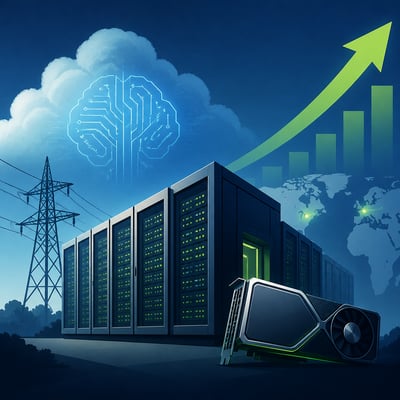
AI infrastructure providers are scaling data center capacity through large customer commitments, Nvidia partnerships, secured borrowing, and acquisitions of powered sites. Nebius and IREN are the most prominent examples, with plans involving multigigawatt power portfolios, GPU deployments, and contracts with Meta, Microsoft, and Nvidia; other projects include a proposed 10-gigawatt Ohio facility and a 300-megawatt European site. The model can accelerate construction and reduce upfront funding needs, but high capital spending, cooling retrofits, debt exposure, and uncertain profitability remain material constraints.
Articles: 26
Last Updated: 09/07/2026
- 73
New Jersey Makes Data Centers Pay
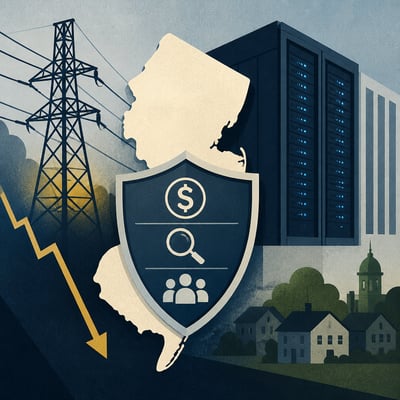
New Jersey is establishing a statewide framework for large data centers that shifts electricity and grid-upgrade costs to operators, requires recurring energy and water disclosures, and adds clean-energy and community-benefit obligations. The measures respond to accelerating AI-related demand, concerns about utility bills and local environmental impacts, and growing municipal resistance to new facilities. The framework is intended to make data center growth more accountable while leaving individual siting and project disputes unresolved.
Articles: 43
Last Updated: 09/08/2026
- 73
West Virginia's Data Center Tradeoffs
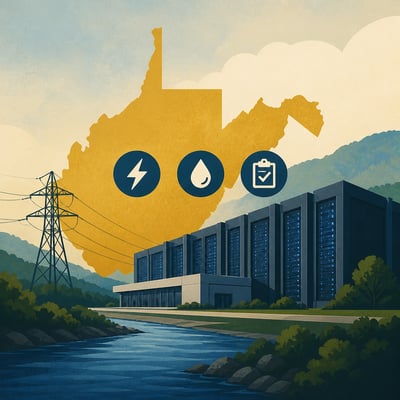
West Virginia is pursuing large hyperscale data centers while shifting major permitting and policy authority toward the state under House Bill 2014 and a proposed 20-year development plan. Projects led by Monarch Compute, Fundamental Data, and other prospective developers could require hundreds of megawatts to more than 1 gigawatt of power, new generation and utility infrastructure, and substantial land and water resources. The expansion has prompted disputes over local zoning, public disclosure, property impacts, air emissions, land ownership, and how project revenue should be shared between the state, counties, utilities, and residents.
Articles: 30
Last Updated: 09/13/2026
- 73
Virginia’s Water Limits Data Centers
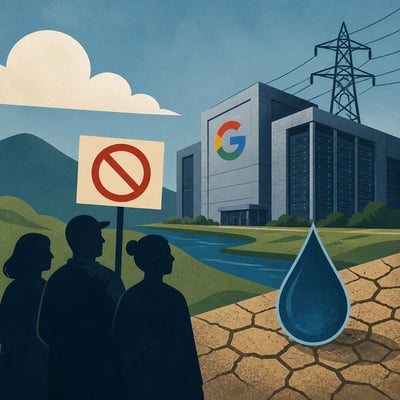
Virginia’s expanding data center pipeline is drawing scrutiny because some facilities require substantial water for cooling while groundwater supplies, particularly in the eastern Coastal Plain, are projected to decline. Google’s proposed Botetourt County complex illustrates the scale of concern, with reported contracted demand of up to 2 million gallons per day and a possible future increase to 8 million. A delayed Virginia groundwater study recommends stronger authority to reject unsustainable withdrawals and require alternatives such as surface water or reuse, while residents and local officials debate the cumulative effects of new campuses.
Articles: 41
Last Updated: 08/24/2026
- 72
Data Center Growth Meets Local Constraints
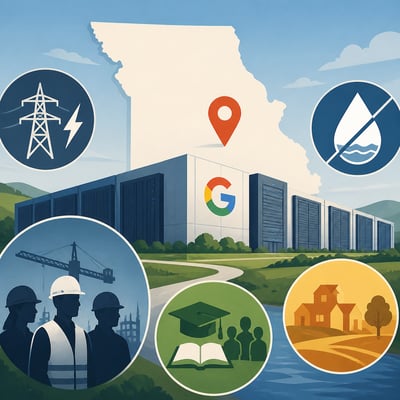
Amazon and Google are proposing or advancing multibillion-dollar data center projects in Missouri, including adjacent campuses in Montgomery County, while Amazon is pursuing a large facility in North Carolina. The projects promise construction, operating jobs, and local contributions, but they also raise questions about tax abatements, electricity and grid infrastructure, water use, temporary generator emissions, and whether communities will bear associated costs. Missouri projects emphasize direct payment for power and infrastructure, while the North Carolina project is facing scrutiny over air-quality permits and backup generation.
Articles: 35
Last Updated: 09/16/2026
- 72
Power Delays Put AI Campuses To The Test

U.S. data center construction and investment are accelerating as hyperscalers and technology companies add capacity for AI workloads. The expansion is increasingly shaped by long power-delivery timelines, transmission and generation limits, permitting disputes, cooling requirements, and a shift toward rural or secondary markets with available land and electricity. Developers are responding through phased construction, powered-land acquisitions, private generation, site conversions, and long-term leases, but forecasts indicate that announced capacity may exceed what the grid can support on current timelines.
Articles: 166
Last Updated: 09/21/2026