
 Climate
 Privacy
 Bob Dylan
 Drones
 Data Centers
 AI Governance
 2026 Maine Senate Race
Google Adds Selfie-Video Account Recovery
Coverage from The Register, Yahoo, and others
Articles
10
Active Days
79
The Topic
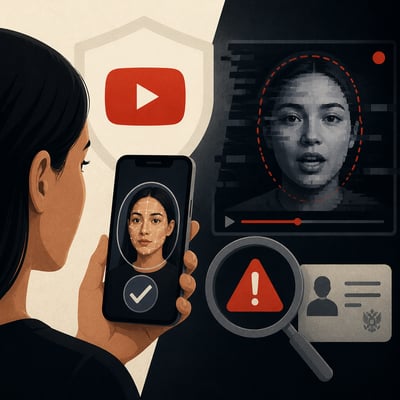
Google is introducing an optional selfie-video verification method that eligible users can use to sign in or recover access when conventional methods such as passwords, backup email, phones, or trusted devices are unavailable. The system compares a stored enrollment video with a later live recording and uses guided head movements to support liveness and impersonation checks, including defenses against deepfakes. The feature may improve account recovery resilience but also expands Google’s handling of facial biometric data, while a separate Google Vids update extends the company’s use of user likenesses into AI-generated avatars.
First Article: 05/06/26
Latest Article: 07/23/26
Summary
- Eligible Google Account users can enroll a selfie video as an additional sign-in or recovery method.
- Later verification compares a new live recording with the stored video and analyzes guided head movements.
- Google says the checks are intended to identify impersonation attempts, including deepfakes.
- The video is stored with user consent and can be deleted; broader development uses require an additional opt-in according to Google.
- Workspace, child, and Advanced Protection accounts are excluded from the feature in the reported rollout.
- Google separately adds personal face-and-voice avatars to Google Vids, with SynthID watermarking for generated content.
History
Google’s biometric story now centers more concretely on execution: the selfie-video feature is being rolled out to eligible users with specific exclusions, and the company is simultaneously extending biometric likeness use into Google Vids. The framing is less about a general expansion of identity tools and more about a new, operationalized recovery method plus a separate avatar feature that broadens biometric handling.
The story has shifted from platform-level deepfake detection to a broader rollout of Google-owned biometric authentication and recovery tools, making face, voice, and ID collection the central issue. YouTube’s likeness detection is now presented as part of a wider identity-protection stack rather than a standalone moderation feature.
Featured
Timeline: 79 Days
Hover over any logo to see coverage summary, click for full article.