
 Climate
 Privacy
 Bob Dylan
 Drones
 Data Centers
 AI Governance
 2026 Maine Senate Race
Australia's Warm Winter Raises Risks
Coverage from The Guardian, ScienceDirect, and others
Articles
14
Active Days
223
The Topic
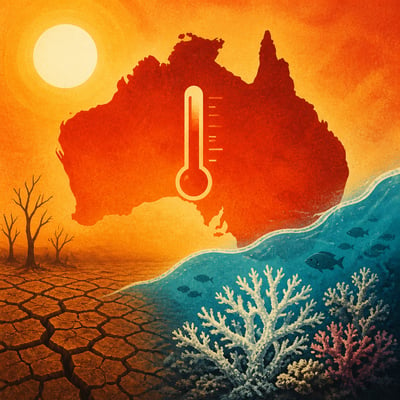
Australia is experiencing unusually warm and, in several regions, increasingly dry conditions that are affecting cities, alpine resorts, fire weather and ecosystems. Record winter temperatures and limited snowfall are already disrupting seasonal conditions, while projections indicate more severe fire weather and more variable climate conditions in parts of south-eastern and northern Australia. The impacts extend to vulnerable species and fisheries, where warmer water, drought, fire, changing river flows and other interacting pressures can hinder recovery.
First Article: 01/22/26
Latest Article: 09/01/26
Summary
- Sydney recorded its hottest June mean temperature since observations began, while other southern capitals also reported unusually warm winter conditions.
- Australian alpine resorts broke July temperature records, with limited natural snowfall increasing reliance on snowmaking.
- Warmth, drying and shifting weather patterns are increasing the likelihood of severe fire conditions in south-eastern Australia.
- Climate pressures are damaging habitats for endangered spiny crayfish through warmer, drier creeks and more intense fire exposure.
- Compound heat, rainfall, cyclone and water-flow changes are affecting northern fisheries and producing different outcomes among species.
- El Niño and La Niña conditions can amplify or redistribute risks by altering rainfall, river flows, sea levels and marine habitat.
History
The story has shifted from a broad warning about warm winter conditions to a more explicit emphasis on drying, fire danger, and cascading ecological impacts. The current version also tightens the framing on fisheries by emphasizing combined heat, rainfall, cyclone, and water-flow disruptions and the role of El Niño and La Niña in redistributing those risks.
The story now broadens from winter warmth and snow loss to a more explicit multi-season climate-risk picture, linking warming and drying to hotter summers, drought, water stress, and wider fisheries impacts. It also adds a clearer emphasis on compound climate drivers and non-climate pressures affecting vulnerable species.
Featured
Timeline: 223 Days
Hover over any logo to see coverage summary, click for full article.