
Last Update: 08/01/2026 at 2:00 PM EST

Climate Change Weakens Crop Nutrition

Coverage from The Jerusalem Post, Futurism, and others

Articles

6

Active Days

122

The Topic
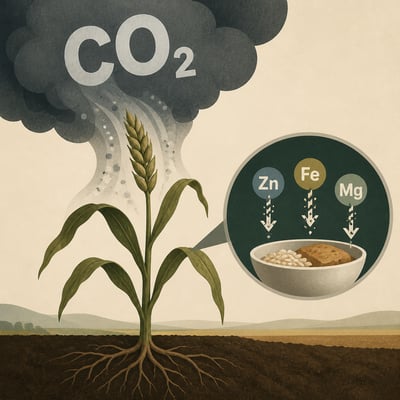
Climate Change Weakens Crop Nutrition topic image

Research indicates that rising carbon dioxide, drought, heat, and other climate stresses can reduce the concentration of protein, iron, zinc, vitamins, and other minerals in crops and wild plants, even when overall growth or calorie production increases. Projections point to larger nutritional declines in some staple crops and in arid and tropical regions, potentially worsening hidden hunger, anemia, and other deficiencies among vulnerable populations. Researchers are examining gene editing and related breeding technologies as possible ways to improve nutrient density and climate resilience, although projected impacts and some health links remain uncertain.

First Article: 03/19/26

Latest Article: 07/18/26

History

07/23/20260 new articles

The story now broadens from crop nutrition under climate stress to include wild plants and a more explicit regulatory/breeding angle for improving nutrient density and resilience. It also adds a separate human-health analysis on blood chemistry linked to rising CO2, while keeping causality unresolved.

07/22/20262 new articles

The story broadens from CO2-driven nutrient loss alone to a wider climate-and-biofortification narrative, adding drought and heat as damaging factors and genetic solutions as an emerging response. It also introduces a preliminary US human health signal, though causality remains unproven.

  • Drought and heat are identified as additional drivers of nutrient loss.
  • CRISPR-Cas and metabolic engineering are being examined as interventions.
  • A preliminary US blood-chemistry analysis suggests CO2-related changes.
  • Potential effects on pregnancy and developmental outcomes are newly emphasized.
  • The story now includes ecosystems and livestock feed.
05/30/20261 new articles

The story has broadened from crop-nutrition findings into a wider climate-health framing that emphasizes food-system equity and hidden hunger. The updated version also adds a stronger emphasis on projected quality losses in staple and diet-relevant plants through 2050.

05/16/2026Topic Formed

Recent research links rising atmospheric CO2 to lower nutrient density in staple crops, weaker overall plant nutritional quality, and possible shifts in human blood chemistry. The material points to food and health risks that are still being quantified.