History
07/20/20264 new articles
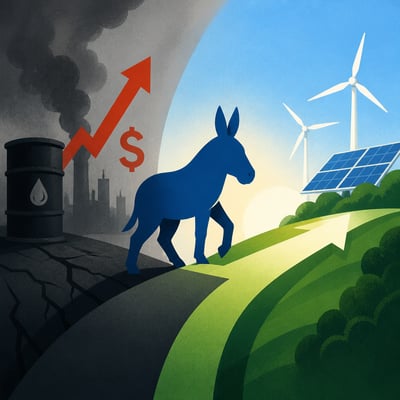
The story has broadened from a largely messaging-and-politics debate into one that more explicitly includes operational climate impacts and clean-energy deployment constraints. Climate framing is still the core issue, but extreme heat, energy-price volatility, and permitting friction now sit alongside the political messaging split.
06/17/20263 new articles
The story has shifted from a general push to sell climate action as practical to a more explicit debate about climate messaging itself, with polling now used to argue that speaking plainly about climate is not electorally toxic. Sheldon Whitehouse has become a more central voice in that debate, and the coverage now leans harder on public opinion research and household-cost examples.
05/30/20260 new articles
The story has sharpened from a general affordability-oriented climate messaging shift into a more explicit geopolitical argument: Democrats are now urging renewables, batteries, and EVs to be framed as protections against fossil-fuel price shocks and energy insecurity. The strongest update is the use of Strait of Hormuz disruption as a live example of that vulnerability.
05/16/2026Topic Formed
Democratic climate messaging is shifting toward affordability, household costs, and energy security, especially when oil price shocks make clean energy easier to sell as a practical economic answer. The material also treats climate as a broader governance issue tied to housing, insurance, disasters, and fossil-fuel dependence.

 Climate
 Privacy
 Bob Dylan
 Drones
 Data Centers
 AI Governance
 2026 Maine Senate Race