
 Climate
 Privacy
 Bob Dylan
 Drones
 Data Centers
 AI Governance
 2026 Maine Senate Race
Fossil Fuel Phaseout Accelerates
Coverage from Pakistan Today, BusinessGreen, and others
Articles
12
Active Days
147
The Topic
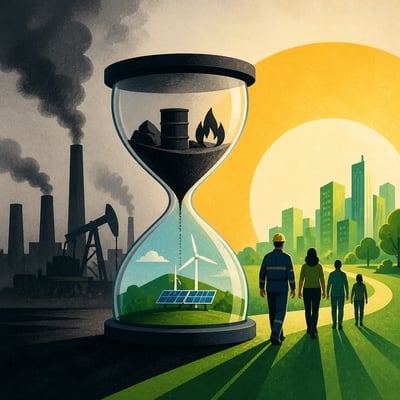
Climate Analytics and related climate research argue that global fossil fuel use must fall by about half by 2035 and reach zero by 2070 to preserve a credible path toward the Paris temperature goals. The proposed pathway prioritizes rapid electrification, clean electricity, subsidy reform and measures to protect workers and communities, while treating carbon capture and carbon dioxide removal as limited substitutes rather than foundations of continued fossil fuel use. The discussion also highlights uneven national starting points, difficult sectors such as aviation and the practical challenges of managing a just transition.
First Article: 02/26/26
Latest Article: 07/22/26
Summary
- A Climate Analytics scenario sets fossil fuel production and use to peak in 2025, decline 20% by 2030 and 50% by 2035, and reach zero globally by 2070.
- The pathway assigns different transition speeds to countries while calling for eventual phaseout across all economies.
- Electrification and clean electricity are presented as the main replacements for fossil fuels in power, transport, buildings and industry.
- The analysis argues that new oil and gas fields are inconsistent with the proposed Paris-aligned pathway.
- Environmental Research Letters commentary questions whether CCS and CDR can support continued fossil fuel use at the required scale.
- A durable transition would require workforce support, regional planning, transition finance, institutional capacity and attention to distributional impacts.
- Some sectors, particularly aviation, remain more difficult to decarbonize than other parts of the energy system.
History
The story has been reframed slightly toward country-specific transition timing and practical implementation constraints, especially the need for a just transition, while the core Paris-aligned fossil-fuel phaseout message remains intact. The current version also softens the absolute framing around carbon capture and removal by emphasizing their limited role rather than mainly questioning their reliability.
The story has become more concrete and granular: it now specifies a detailed fossil-fuel phaseout pathway, differentiating timelines by fuel type and naming the practical constraints and regional risks involved. It also sharpens the argument against new oil and gas development and CCS/CDR as substitutes.
Featured
Timeline: 147 Days
Hover over any logo to see coverage summary, click for full article.