
 Climate
 Privacy
 Bob Dylan
 Drones
 Data Centers
 AI Governance
 2026 Maine Senate Race
Indigenous Voices in Climate Governance
Coverage from Grist, MorungExpress, and others
Articles
5
Active Days
148
The Topic
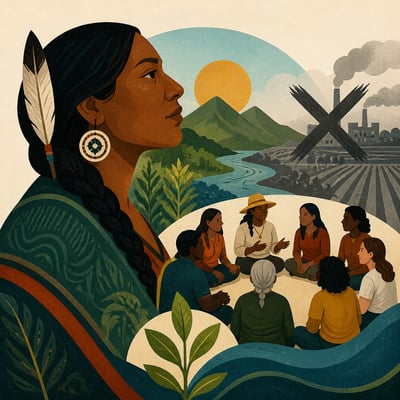
This topic centers on efforts to bring Indigenous voices and citizen deliberation into climate and food-system governance. Across the material, Indigenous communities, women leaders, and assembly participants argue that climate policy is more effective and legitimate when it reflects lived experience, traditional knowledge, and community priorities. The coverage also shows a growing critique of top-down climate solutions, including carbon markets, monocropping, and decision-making processes that leave affected communities out.
First Article: 02/24/26
Latest Article: 07/21/26
Summary
- Citizens' assemblies are being used to generate climate and food policy recommendations with strong support from participants and growing visibility in UNFCCC-linked processes.
- Indigenous communities in India and Latin America frame climate change as a justice issue tied to land, biodiversity, food sovereignty, and community survival.
- Several pieces reject narrow or market-based responses, including carbon markets and consumer-only responsibility, in favor of structural change and shared governance.
- Food systems are a recurring focal point, linking emissions, deforestation, price shocks, and acute food insecurity to climate governance gaps.
- Health and adaptation discussions extend the theme by arguing that Indigenous knowledge can improve trust, resilience, and practical care systems.
- A persistent concern is that governments and institutions consult affected communities without giving them real decision-making power.
History
This topic is new, but as new articles are added to it this area will summarize shifts, changes and expansions of the issues.
Featured
Timeline: 148 Days
Hover over any logo to see coverage summary, click for full article.