History
07/22/20260 new articles
The story now places more weight on managed peatland rewetting as a climate-mitigation response, alongside the same core finding that thaw is degrading Arctic water chemistry. It also broadens the framing to emphasize specific impacts on salmon, aquatic ecosystems, and communities dependent on Arctic waters.
07/22/20260 new articles
The story now places more emphasis on concrete biological impacts from thaw-related iron release and broadens the groundwater discussion to include coastal saltwater intrusion risks. It also updates the Norway peatland result to a more specific finding of reduced emissions and occasional net CO2 uptake.
07/22/20260 new articles
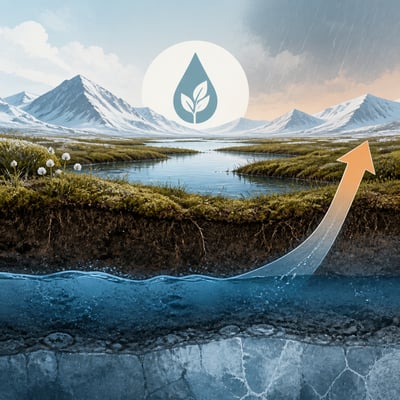
The story broadens from thaw-driven river contamination to include groundwater and peatland management, adding a practical mitigation angle. A new northern Norway study suggests raising water tables can cut greenhouse-gas emissions, while Arctic groundwater projections show responses will vary sharply by region.
- Northern Norway peatland study found lower emissions at 25–50 cm water tables.
- Arctic groundwater projections show some areas wetter, others drier.
- Local soil, temperature, and management affect rewetting outcomes.
- The story now includes carbon-emissions mitigation, not just contamination.
06/29/20260 new articles
The story now pinpoints two distinct thaw-driven mechanisms behind the water-quality decline: acid rock drainage from sulfide-rich rock and iron mobilization from wetlands. It also adds a new implication that contamination may be forecast from seasonal ground-temperature lag and could extend more broadly across other cold regions with similar geology.
06/08/20263 new articles
The story has shifted from a broad Arctic hydrology and peatland carbon-management theme to a more concrete permafrost-thaw environmental impact story. The dominant new emphasis is observed water-quality harm—acidification, metal mobilization, and ecosystem damage—while peatland rewetting remains a secondary mitigation thread.
- Permafrost thaw is directly linked to acidification and metal release in Arctic rivers.
- Observed ecological harm includes stressed algae, insects, and fish gill damage.
- Alaska and northern Canada provide the strongest evidence for these water-quality changes.
- Researchers now compare Arctic findings with similar risks in the Alps and Andes.
- Peatland groundwater raising is still presented as an emissions-reduction measure.
05/21/20260 new articles
The framing has tightened from a broader Arctic hydrology story into a more explicit climate-leverage narrative: raising peatland water tables is now presented as a direct way to reduce greenhouse gas emissions, alongside warming-driven groundwater change. The updated version also adds coastal saltwater intrusion as a new pressure on Arctic groundwater.
05/11/2026Topic Formed
Recent material links Arctic water-table change to both climate mitigation and climate sensitivity. Field measurements suggest rewetted peatlands can cut greenhouse gas emissions, while regional mapping shows warming and rainfall shifts will alter shallow groundwater across the Arctic. The topic is cohesive around Arctic hydrology, but it spans both observed management effects and projected long-term change.

 Climate
 Privacy
 Bob Dylan
 Drones
 Data Centers
 AI Governance
 2026 Maine Senate Race