
 AI Governance
 Data Centers
 Drones
 Climate
 Privacy
 2026 Maine Senate
 Bob Dylan
Electricity Demand Pressure
The ongoing major issues seen in articles and topics over time.
The Drivers
48
Articles Related
1,690
The Big Picture
Large data centers are becoming major drivers of new electricity demand, forcing utilities, regulators, and grid operators to revise load forecasts, interconnection practices, transmission plans, and reliability assumptions. The issue is not only total load growth but also speed, location, and operational behavior of large computational loads.
Electricity access is now one of the primary bottlenecks for AI and cloud infrastructure. Decisions about transmission, generation, interconnection queues, reliability studies, and large-load tariffs will shape where data centers can be built and who pays for the grid needed to serve them.
Categories
Power Procurement & Grid, Policy & Utility Planning, Permitting & Regulation, Infrastructure & Site Development
Keywords
as-built load modeling, carbon-aware operation, co-located load, computational load registration, compute flexibility, converter-dominated load, corrective action plan, DCFlex, dummy workloads, ERCOT disconnection authority, fault ride-through enforcement, fault-sensitive load, FERC show cause order, FERC show-cause proceeding, flexible compute scheduling, FlexMosaic, frequency event response, GPU heartbeat, grid operator compliance filing, grid signal ingestion, grid-responsive compute, impedance-passivity coordination, ISO large load reforms, large computational load rules, large-load curtailment, large-load dynamic modeling, large-load interconnection, large-load reliability standard, large-load ride-through settings, large-load study reform, large-load transmission service, large-load trip events, load tripping, NERC Level 3 alert, NERC registration criteria, network upgrade study, non-firm transmission service, oscillation damping, paired generation and load study, power-flexible AI data centers, protective disconnection, resource adequacy, root-cause investigation, RTO large load reforms, secondary workloads, simultaneous load drop, speed to power, Texas PUC ride-through rules, transmission planning for large loads, UPS logic, voltage disturbance testing, voltage event response, workload orchestration
The Drivers
The Topics below, and their articles, all focus on, exemplify, or help to explain this theme.
Primary
- 97
NERC Raises Data Center Grid Bar
NERC is raising the technical and planning requirements for large data centers, AI facilities, crypto-mining sites and other computational loads after documenting rapid load reductions exceeding 1,000 MW during grid disturbances. Its May 2026 alert and related guidance emphasize detailed dynamic and electromagnetic-transient modeling, validated equipment behavior, disturbance monitoring, commissioning checks and improved treatment of flexible load in reliability forecasts. The changes could lengthen interconnection timelines while increasing the value of curtailment, storage, ride-through capability and behind-the-meter resources. NERC is also considering longer-term registration and reliability-standard changes for qualifying computational loads.
Articles: 9
Last Updated: 07/08/2026
- 97
AI Data Centers Meet Grid Constraints

AI data-center expansion is colliding with electricity, interconnection, cooling, and equipment constraints. Utilities, hyperscalers, and suppliers are responding with power-system redesign, onsite generation, efficiency measures, and experimental distributed or mobile facilities.
Articles: 12
Last Updated: 08/31/2026
- 97
Data Centers Push PJM Toward Emergency Measures
Rapid data center growth is adding pressure to the PJM power system, with extreme heat exposing limited reserves, transmission constraints, and sharp wholesale price increases. In response, the U.S. Department of Energy has repeatedly authorized PJM to direct large customers to use backup generation during emergencies, while PJM and utilities prepare for further demand growth. The response is also intensifying disputes over transmission costs, customer tariffs, emissions, and the extent to which data centers should provide or fund their own power capacity.
Articles: 74
Last Updated: 09/04/2026
- 96
Power Delays Put AI Campuses To The Test

U.S. data center construction and investment are accelerating as hyperscalers and technology companies add capacity for AI workloads. The expansion is increasingly shaped by long power-delivery timelines, transmission and generation limits, permitting disputes, cooling requirements, and a shift toward rural or secondary markets with available land and electricity. Developers are responding through phased construction, powered-land acquisitions, private generation, site conversions, and long-term leases, but forecasts indicate that announced capacity may exceed what the grid can support on current timelines.
Articles: 166
Last Updated: 09/21/2026
- 95
Meta’s Hyperion Campus Reaches 5 GW
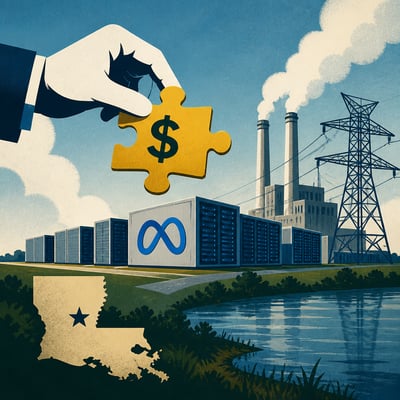
Meta is expanding its Hyperion data center campus in Richland Parish, Louisiana, to as much as 5 gigawatts of compute capacity, with reported regional investment approaching $50 billion. The project requires major electricity, transmission, water, wastewater, and road upgrades, while Entergy develops supporting generation and storage and Louisiana considers tax treatment for data centers. The buildout could bring substantial construction activity, jobs, contracts, and public revenue, but its scale has also prompted scrutiny over ratepayer exposure, water use, land impacts, and regulatory transparency.
Articles: 43
Last Updated: 08/27/2026
- 92
Who Pays For Virginia’s Data Center Boom
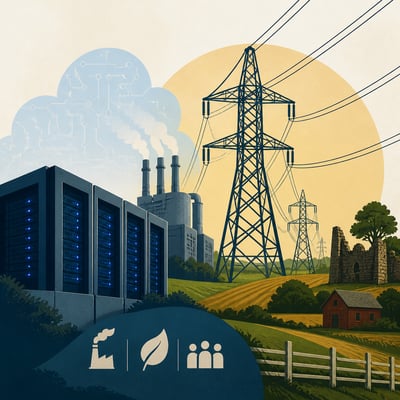
Virginia regulators are shifting more of the cost of dedicated transmission lines, substations, and other grid upgrades onto data centers and other large-load customers as electricity demand accelerates. Dominion Energy and PJM are planning or evaluating major transmission, generation, and demand-management measures, while residents and environmental groups challenge projects over rates, land, water, emissions, and reliability. The central issue is whether Virginia can connect new data centers without transferring their costs and risks to households, businesses, or affected communities.
Articles: 15
Last Updated: 09/06/2026
- 90
Lake Tahoe Power Supply Faces 2027 Shift
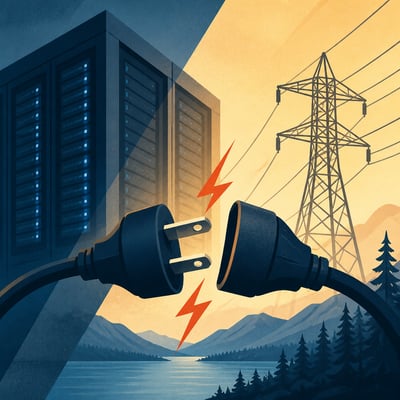
NV Energy plans to stop providing full-service power to Liberty Utilities’ Lake Tahoe-area customers after May 2027, leaving about 49,000 to 50,000 customers dependent on replacement supply. Liberty operates within NV Energy’s balancing area and has limited direct access to California’s grid, making procurement, transmission access, and potential customer costs central concerns. The dispute is unfolding as Northern Nevada data center proposals could add substantial electricity demand, while NV Energy’s Greenlink West line and new generation projects may provide additional supply options.
Articles: 21
Last Updated: 08/28/2026
- 89
Washington Data Centers Face Local Limits
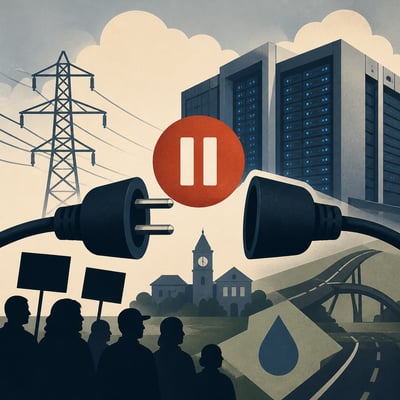
Large data center proposals in Washington are prompting utilities and local governments to slow approvals while they assess electricity supply, water access, infrastructure costs, and community effects. Avista paused negotiations over a proposed customer that could grow from 125 megawatts to 500 megawatts, while Spokane, Spokane County, and Seattle adopted or considered temporary limits on new facilities. The developments show that projects are increasingly dependent on clearer permitting rules, transmission investments, and protections against shifting costs to existing customers.
Articles: 13
Last Updated: 08/28/2026
Secondary
- 89
North Carolina Rewrites Data Center Rules
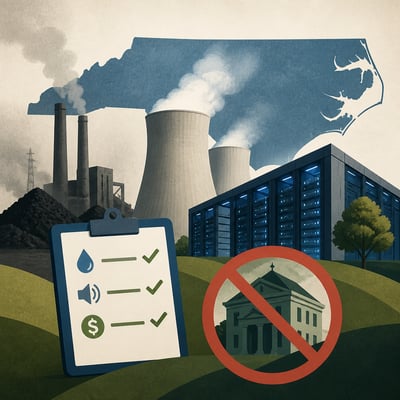
North Carolina is advancing statewide rules that would make large data centers cover more of the generation, transmission, and grid costs associated with their electricity demand while imposing tighter cooling, noise, siting, incentive, and ownership requirements. Senate Bill 730 is also tied to Duke Energy’s coal-retirement and nuclear-generation plans, while state officials are pursuing legally binding tariffs for large loads. Local action, including Durham County’s nine-month moratorium, shows that scrutiny is extending beyond the legislature to project approvals and existing development pressure.
Articles: 37
Last Updated: 09/09/2026
- 88
Utilities Race To Power AI Data Centers
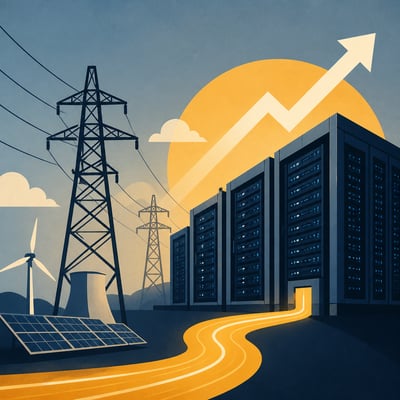
U.S. utilities and technology companies are committing substantial capital to meet fast-growing data center electricity demand, particularly in regions including Indiana, Ohio, Oklahoma, Texas, Michigan, Virginia, and Minnesota. AEP has raised its five-year capital plan to $78 billion, while other projects use batteries, solar, fuel cells, gas generation, and aggregated home devices to shorten power timelines when grid connections are delayed. These efforts could accelerate new energy investment and improve grid flexibility, but they also raise questions about emissions, customer costs, regulatory approval, project execution, and whether projected AI demand will materialize.
Articles: 13
Last Updated: 09/10/2026
- 84
South Carolina Data Centers Face Local Resistance
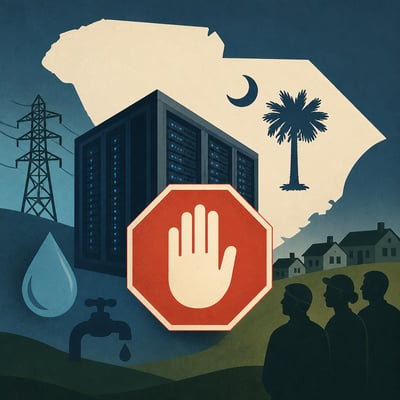
South Carolina is encouraging large data center projects through site-readiness funding and economic development incentives, while residents, counties, and some elected officials seek pauses or stricter oversight. Proposed and active projects in Spartanburg, Colleton, Aiken, Berkeley, Dorchester, Gaffney, and Rock Hill have brought concerns about electricity demand, water use, noise, land use, emissions, and limited permanent employment. At least nine counties have proposed or enacted temporary moratoriums as officials develop local rules, while manufacturers such as EPC Power are expanding in the state to supply grid and data center power equipment.
Articles: 10
Last Updated: 08/07/2026
- 83
Virginia Data Centers Face New Limits
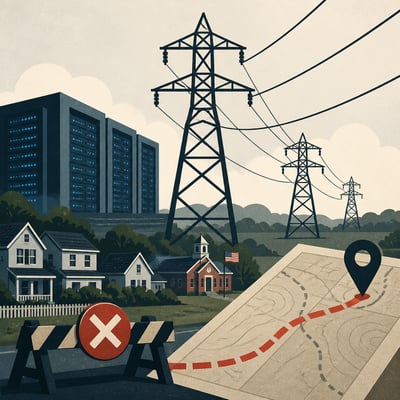
Virginia’s data center expansion is continuing, but new projects and supporting transmission lines are facing stronger local scrutiny. In Loudoun County, Dominion Energy received approval for a major Golden-to-Mars transmission route while residents and county officials continue to challenge its effects on homes, schools, trees, and property values; supervisors are also considering a pause on new data center applications and tighter generator rules. Stafford County separately paused a proposed 99-acre facility for archaeological review of a historic cemetery. The debate is shaped by a tradeoff between substantial tax revenue and concerns over grid demand, environmental effects, land use, and the durability of local fiscal reliance on data centers.
Articles: 10
Last Updated: 08/17/2026
- 82
Duke Energy Sets Data Center Rules
Duke Energy is preparing for a large pipeline of data center demand by expanding generation and grid capacity while proposing longer-term service agreements, minimum bills, and customer-funded protections. In North Carolina, the utility’s proposed large-load tariff has intensified debate over whether data centers should cover the costs and risks of new power infrastructure without shifting expenses to households and small businesses. The outcome will affect connection timelines, utility investment, rate structures, and the generation mix used to serve large new loads.
Articles: 14
Last Updated: 08/17/2026
- 82
Missouri Lawmakers Weigh Data Center Growth And Power Costs
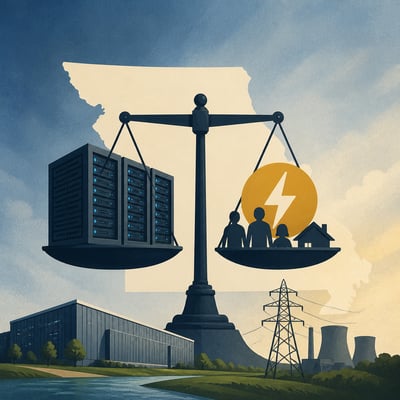
Missouri lawmakers, utilities, and communities are weighing data center expansion against the cost of supplying large new electricity loads. Ameren Missouri reports contracts totaling 2.2 gigawatts and plans to increase generation capacity, while state rules require large users to cover grid-connection costs and sign long-term contracts. The central dispute is whether those protections will prevent residential customers from absorbing costs for new generation, while communities also assess water use, tax incentives, jobs, and local quality-of-life effects.
Articles: 5
Last Updated: 08/11/2026
- 81
Wisconsin Data Centers Reshape Power Planning
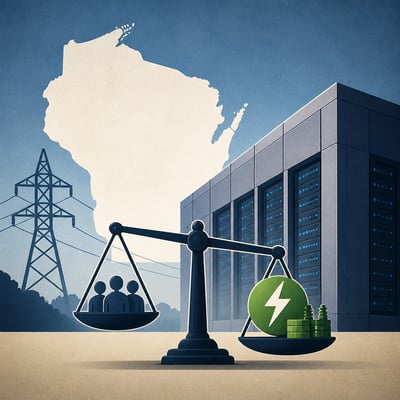
Wisconsin is planning for a sharp increase in electricity demand tied largely to hyperscale data centers in Mount Pleasant, Port Washington, and Beaver Dam. A state forecast projects peak demand could rise from 14.2 gigawatts in 2026 to about 20 gigawatts by 2032, prompting utilities to consider new gas generation, renewable projects, storage, transmission, and separate rates for very large customers. The buildout is also driving disputes over who should pay for new supply, how much financial protection utilities need, and whether tax incentives, water use, emissions, and local impacts justify the projects.
Articles: 52
Last Updated: 08/19/2026
- 80
Montana PSC Weighs Data Center Rates
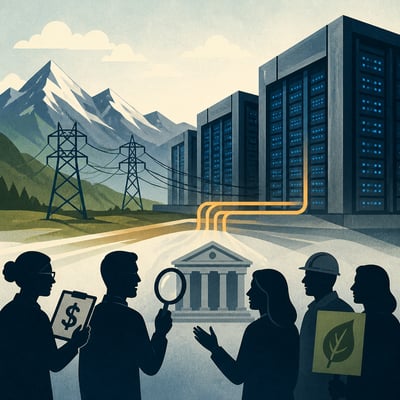
Montana regulators are weighing how NorthWestern Energy should serve large data center customers and whether those customers will cover the additional power, transmission, and generation costs they create. Proposed rules include multi-year service commitments and minimum usage requirements, while consumer, environmental, industrial, and local-government groups seek stronger protections, separate customer treatment, and greater disclosure. The proceedings also overlap with NorthWestern’s proposed $15.4 billion merger with Black Hills and broader questions about Montana’s energy mix, grid capacity, water use, and local economic benefits.
Articles: 11
Last Updated: 08/02/2026
- 80
Communities Push Back On AI Data Centers
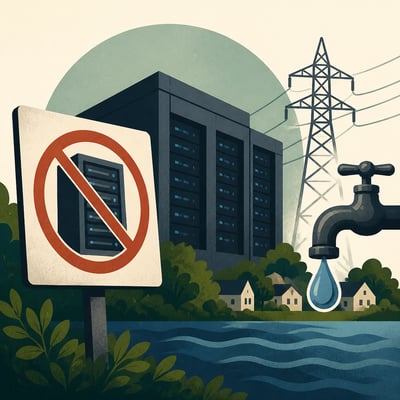
Communities and lawmakers across the United States are seeking pauses, moratoriums, studies, and disclosure requirements for AI data centers. The main concerns are electricity demand, grid pressure, water consumption, environmental effects, noise, and the possibility that infrastructure costs will reach ratepayers. Most reported measures are proposals or local actions rather than completed nationwide policy, with Brookhaven and several New Jersey communities serving as prominent examples.
Articles: 14
Last Updated: 07/29/2026
- 80
North Carolina Data Center Moratoriums

Cities and counties across North Carolina are adopting, considering, or revising temporary moratoriums and zoning rules for new data centers. Officials are using the pauses to study electricity and water demand, infrastructure costs, noise, land use, environmental effects, and public engagement while existing or substantially advanced projects often remain exempt. The decisions signal a shift toward more deliberate local review as communities weigh economic development against utility capacity, household costs, and neighborhood impacts.
Articles: 39
Last Updated: 09/02/2026
- 79
Counties Draw Lines Around Data Centers
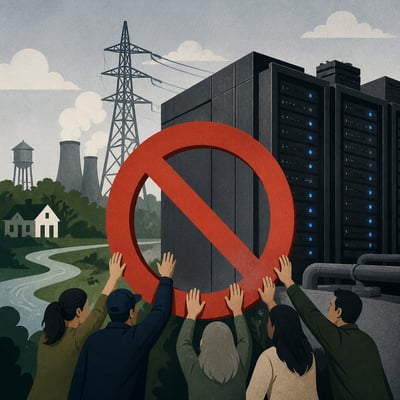
Maryland counties and cities are using moratoriums, zoning changes, conditional approvals, and proposed bans to slow or reshape data center development. Officials are seeking more information on electricity capacity, utility costs, water withdrawals, noise, environmental effects, and community impacts before allowing large facilities to proceed. The direction is toward discretionary review, stronger siting limits, public input, and developer-funded mitigation, although several measures remain proposals and jurisdictions are taking different approaches.
Articles: 50
Last Updated: 09/10/2026
- 79
Communities Block Large AI Data Centers
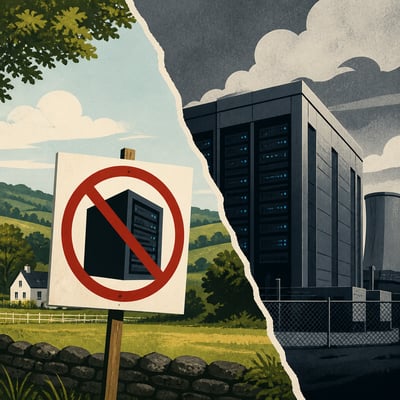
Municipalities in New Jersey, Massachusetts, Michigan, and Florida are restricting, delaying, or reconsidering large AI data center projects as residents and officials weigh electricity demand, cooling water, noise, environmental effects, and local tax benefits. Andover Township’s ban has prompted a developer lawsuit, while other communities have adopted moratoriums or capacity limits and project sponsors have proposed design changes. Separately, EPA guidance may give data centers more flexibility to operate off-grid generators, potentially easing grid constraints while raising questions about emissions oversight.
Articles: 48
Last Updated: 08/12/2026
- 79
Texas Data Center Expansion Under Strain
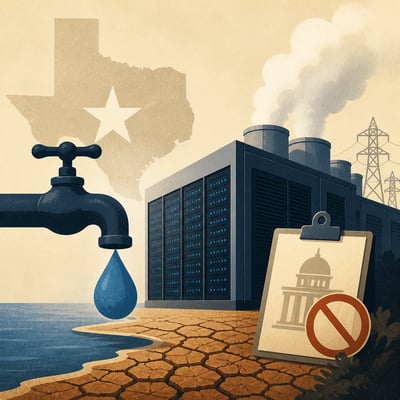
Texas data-center expansion is colliding with electricity, water, land, and infrastructure limits, prompting ERCOT audits, delayed grid connections, tighter reporting, and growing local opposition.
Articles: 214
Last Updated: 09/11/2026
- 79
Congress Targets Data Center Resource Use
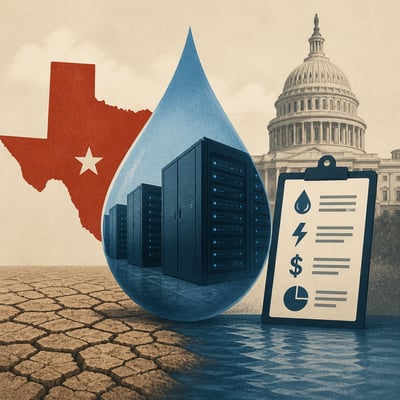
U.S. lawmakers are advancing several proposals to improve how data centers, particularly large AI facilities, measure and disclose electricity and water use. The measures would involve NIST, the Department of Energy, and the Environmental Protection Agency in developing standards or reports, while other proposals address efficiency requirements and tax benefits. The activity reflects growing concern that inconsistent resource data is complicating grid planning, water management, permitting, and local decisions, especially in Texas and other water-stressed areas.
Articles: 9
Last Updated: 07/30/2026
- 78
Oregon Raises Data Center Rates
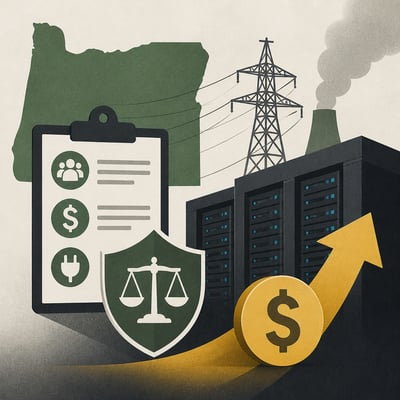
Oregon regulators approved a new Portland General Electric rate structure that raises electricity costs for large data center customers by about 29% while reducing average rates for residential and other customer classes. The framework, established under the POWER Act, also assigns large facilities greater responsibility for grid infrastructure costs, requires long-term commitments, and adds protections against abandoned or excess demand. The decision could influence how other states allocate the cost of expanding electricity service for data centers.
Articles: 42
Last Updated: 09/17/2026
- 78
Texas Data Centers Face Local Pushback
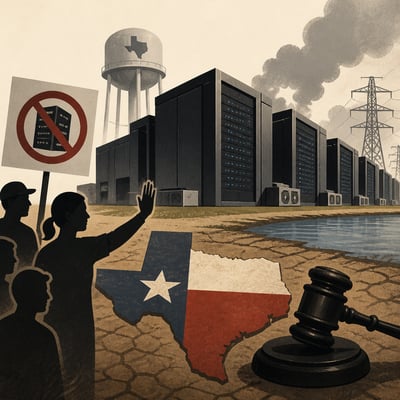
Large data center proposals across Texas are prompting residents and local officials to challenge projects over water use, electricity demand, land conversion, noise, and proximity to homes. Hood County is the central case, with eight proposed projects, revised review rules, developer lawsuits, and a court ruling that upheld the county’s ability to evaluate impacts. A separate Henderson County proposal was withdrawn, while Dallas and other Texas cities are considering more formal oversight as state officials call for stronger requirements on power, water, reporting, and community protection.
Articles: 23
Last Updated: 08/27/2026
- 76
Data Centers Turn To Nuclear Power
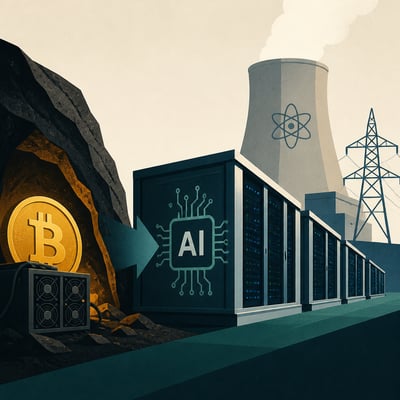
Data center developers and technology companies are turning to existing nuclear plants, proposed small modular reactors, and long-term power contracts as electricity demand rises and grid availability tightens. Microsoft, Google, Meta, and Riot Platforms are pursuing different versions of this approach, ranging from the planned restart of Iowa’s 615-megawatt Duane Arnold plant to early-stage reactor concepts for future AI campuses. The strategy could provide dependable power, but permitting, financing, construction timelines, supply chains, and local opposition make many nuclear-powered data center plans long-term rather than immediately available.
Articles: 7
Last Updated: 07/14/2026
- 76
Microsoft Expansion Raises Emissions And Demand
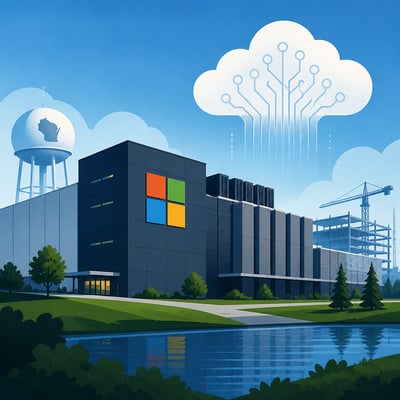
Microsoft is expanding AI data center capacity in Texas, Wisconsin, and other locations while reporting a 25 percent year-over-year increase in greenhouse gas emissions to 20 million metric tons of CO2 equivalent in fiscal 2025. The company attributes the increase mainly to data center growth and changes in renewable-energy accounting, including its decision to stop buying unbundled renewable energy certificates. The expansion is also increasing demand for electricity, water, land, and construction, prompting new power arrangements, utility-rate changes, and local scrutiny even as Microsoft maintains its goal of becoming carbon negative by 2030.
Articles: 12
Last Updated: 07/30/2026
- 76
AI Data Center Power Access
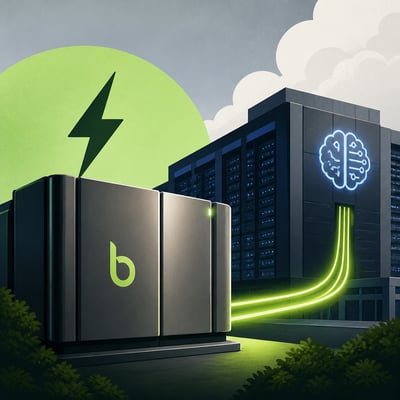
AI data-center expansion is increasingly constrained by the speed and availability of electricity, not only by computing hardware. Long utility interconnection queues are driving a layered power strategy that combines grid supply with fuel cells, mobile gas generation, battery storage, and microgrids. Oracle's multigigawatt Bloom Energy agreements and Brookfield's expanded financing framework provide the clearest commercial signals. Higher rack densities are also driving 800-volt DC distribution, advanced controls, and coordinated cooling. Faster off-grid approvals are accelerating projects while increasing scrutiny of emissions, permitting, and public oversight.
Articles: 31
Last Updated: 08/28/2026
- 74
Ohio Data Center Regulation Conflict
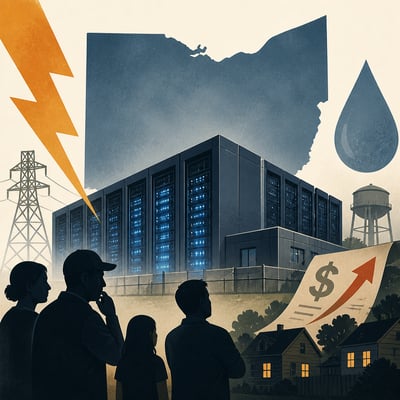
Ohio's rapid hyperscale data center buildout is driving a broad regulatory response involving electricity cost allocation, grid planning, water and wastewater permits, tax incentives, zoning, ballot measures, and demands for greater local control.
Articles: 86
Last Updated: 09/14/2026
- 74
Counties Pause Data Center Plans
Counties and municipalities in Nebraska, Kansas, Illinois, Colorado, New Mexico, Utah, Missouri, and other states are delaying or reviewing data center projects while they develop local rules. Moratoria generally range from 180 days to 18 months and are intended to assess water supply, electricity capacity, roads, noise, environmental effects, decommissioning, and permitting standards. The pattern shows local governments trying to establish clearer requirements before projects advance, although the scope and legal status of each pause differ.
Articles: 54
Last Updated: 09/08/2026
- 74
Local Governments Pause Data Centers

Cities and counties across Tennessee, Kentucky, and Mississippi are using temporary moratoria or tighter rules to slow new data center development while officials assess electricity, water, noise, zoning, and neighborhood impacts. Several pauses last six months to two years and are intended to give planners time to write new safeguards, while some previously approved or specially located projects remain exempt. The pattern signals a shift toward local review and operating conditions before additional facilities proceed, although the economic and environmental effects remain contested.
Articles: 30
Last Updated: 08/14/2026
- 73
Pocatello Upholds AI Data Center Denial
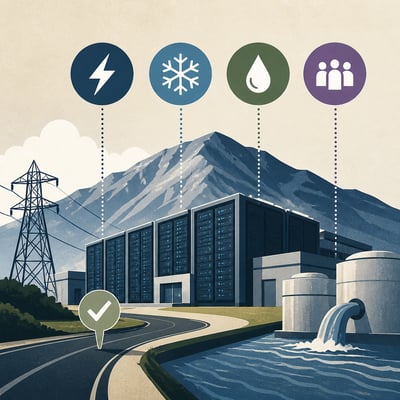
Pocatello, Idaho, denied and later upheld the denial of Lex Developments’ proposed AI data center at the former Hoku Materials site. City findings focused on incomplete analysis of power, water, wastewater, air quality and environmental impacts, while public testimony and the Shoshone-Bannock Tribes raised concerns about rates, river resources and pollution. Lex Developments has indicated it plans to continue appealing, leaving the project’s scale, utility arrangements and timeline unresolved.
Articles: 13
Last Updated: 08/22/2026
- 72
EU Data Center Rules Under Scrutiny

The European Commission is developing a data center sustainability label and related efficiency rules covering electricity, water, clean energy, waste heat, and minimum performance standards, but publication has been delayed amid disagreement over whether nuclear power should qualify alongside renewables. EU lawmakers and environmental officials are also pressing for facility-level disclosure after concerns that current secrecy rules and incomplete reporting obscure data centers’ environmental footprint. The measures could improve transparency while raising compliance costs and affecting where new computing capacity is built.
Articles: 12
Last Updated: 07/28/2026
- 72
AI Data Center Buildout Meets Power Constraints

AI infrastructure expansion is shifting from chip demand toward the ability to finance, power, permit, and build very large campuses. The PORTS-Pike project in Ohio dominates the current state, while broader Nvidia demand remains strong but faces equipment shortages, grid constraints, environmental concerns, and local scrutiny.
Articles: 59
Last Updated: 09/17/2026
- 72
Counties Require Hearings For Data Centers
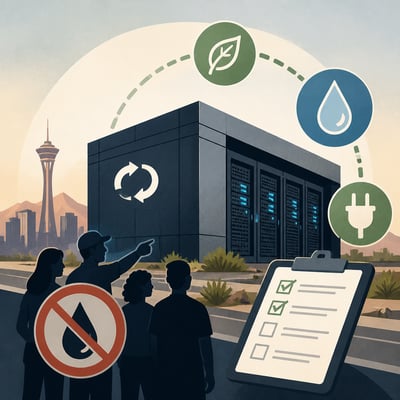
Local governments are adding hearings, conditional-use requirements, review criteria, or temporary pauses for new data centers as demand for AI-related capacity raises concerns about water, electricity, noise, and land use. Clark County, Nevada, approved Switch’s 56,800-square-foot expansion while beginning to consider broader rules; other Nevada jurisdictions are weighing pauses, and Clark County, Ohio, has limited future facilities to conditional use in districts without currently available electric and water capacity. The shift gives counties more opportunities to impose project-specific conditions, but it can also lengthen approval timelines and expose differences in local authority and infrastructure readiness.
Articles: 10
Last Updated: 07/20/2026
- 72
Washington Cities Pause Data Centers
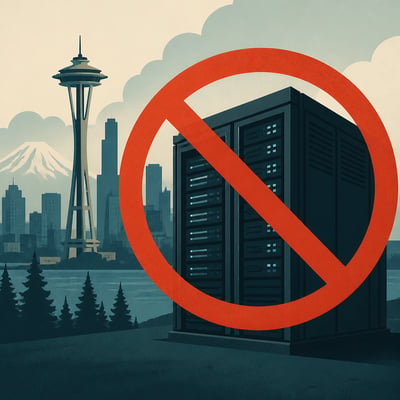
Seattle and Spokane have enacted temporary moratoriums on new large data centers as Washington officials examine their effects on electricity supply, utility rates, water, land use, noise, and public health. Seattle’s freeze covers facilities above 20 megavolt-amperes and is paired with a formal impact-review framework, while Spokane imposed a one-year pause amid discussion of a potential 500-megawatt project. The measures signal that permitting, grid capacity, and cost allocation are becoming immediate constraints on data center proposals, although heat reuse and other lower-impact designs remain under consideration.
Articles: 18
Last Updated: 08/17/2026
- 72
Kentucky Data Centers Test Public Trust
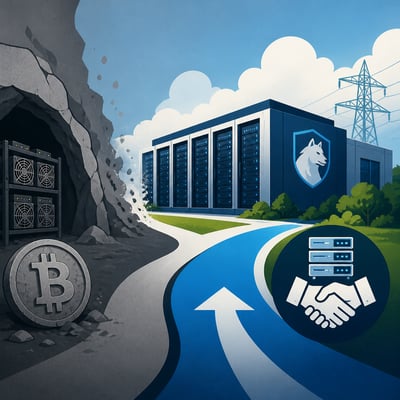
Kentucky is weighing several large data center proposals, including TeraWulf campuses in Hancock County and near Ashland, alongside an 800-megawatt project near English and Carrollton. Residents, local officials, and policy groups are questioning who will pay for electricity and transmission, whether tax incentives are justified, and whether projects will deliver durable jobs without straining power, water, land, and community resources. State and county approvals remain uneven, with some jurisdictions adopting moratoria while utilities and regulators review contracts and capacity requirements.
Articles: 77
Last Updated: 09/03/2026
- 71
Florida Localities Pause Data Center Approvals
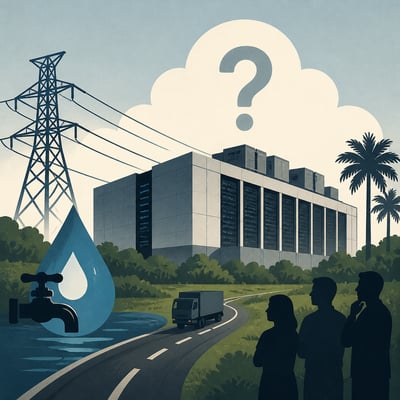
Lakeland is reviewing Project Swan, a proposed data center of up to 600,000 square feet, while residents and officials question its zoning status, electricity demand, water use, and neighborhood effects. Lakeland leaders are considering a one-year moratorium, and Sarasota County has already approved a 12-month pause while staff determine how data centers fit existing rules. The developments show Florida communities delaying or scrutinizing approvals until they have clearer information about infrastructure requirements, permitting standards, and local impacts.
Articles: 21
Last Updated: 08/03/2026
- 71
South Whitehall Faces Atlas Data Center
Project Atlas is a proposed 1.5 million-square-foot data center campus on 410 acres across from Parkland High School in South Whitehall Township, Pennsylvania. Revised plans reduce the number and total size of buildings and lower projected traffic, but still require an electrical substation, emergency generators, new roads, and solutions for the site’s lack of public water and sewer. Township planners have identified unresolved issues, while residents and school officials continue to question the project’s effects on students, traffic, noise, power use, water, and nearby land.
Articles: 4
Last Updated: 08/16/2026
- 71
Montana Counties Weigh Data Center Limits
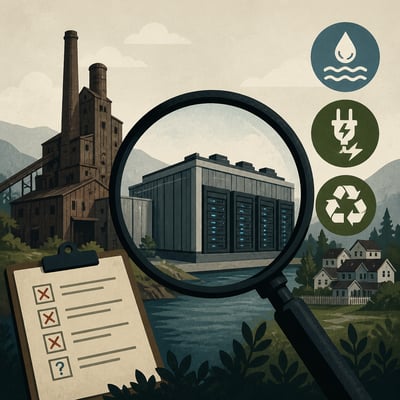
Montana counties are reassessing how to approve and regulate data centers as local officials and residents raise concerns about water use, energy demand, heat, noise, emissions, wastewater, and public health. Missoula County adopted a one-year moratorium on new or expanded facilities outside Missoula city limits while it studies impacts and updates rules, following the stalled Bonner proposal. Yellowstone County residents are seeking similar safeguards but face uncertainty over state authority and potential litigation under Montana’s Right to Compute Act, while Missouri illustrates a separate debate over tax incentives for data center investment.
Articles: 36
Last Updated: 09/07/2026
- 70
Kansas Data Centers Meet Local Limits
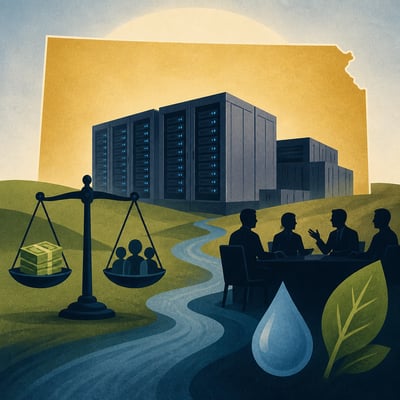
Data center proposals across Kansas and the Kansas City region are advancing alongside stronger local scrutiny and organized opposition. Communities are weighing potential investment and tax-base growth against electricity costs, water use, noise, environmental risks, transparency, and the terms of tax incentives. Several proposals have been withdrawn or rejected, while major campuses in De Soto, Edgerton, and Shawnee County remain subject to planning, permitting, or public review.
Articles: 68
Last Updated: 09/03/2026
- 70
AI Data Center Financing Meets Physical Constraints

AI-driven data center expansion is drawing private equity, debt, equity, and infrastructure capital into hyperscale, colocation, and power-linked projects. Growth remains constrained by grid interconnection, permitting, construction delivery, water availability, and uncertainty over leverage, monetization, and investor returns.
Articles: 43
Last Updated: 09/17/2026
- 70
Meta Expands AI Data Centers Globally
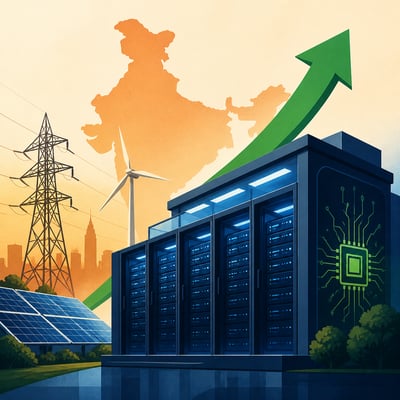
Meta and major Indian data center developers are advancing large AI-focused facilities, including a planned 168 MW site in Jamnagar, India, a 1 GW campus in Alberta, Canada, and an operational AI-optimized facility in Texas. The projects rely on early power coordination, renewable energy procurement, specialized cooling, and local infrastructure investment to support high-density workloads. Their scale also brings scrutiny over electricity demand, water use, emissions, noise, and whether planned capacity will secure enough customers.
Articles: 20
Last Updated: 09/06/2026
- 70
Tennessee Data Centers Face Local Restrictions
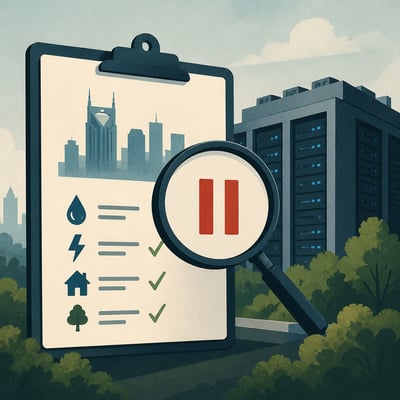
Tennessee cities and counties are moving to pause, limit, or more closely regulate data center construction as residents and officials assess impacts on electricity demand, water supplies, noise, land use, and nearby property. Nashville is developing its first data center-specific zoning rules while advancing temporary moratorium legislation, and counties including Knox, Warren, and Gallatin are considering or adopting pauses. The measures create uncertainty for proposed projects and reflect a broader debate over whether local tax and employment benefits justify infrastructure and neighborhood costs.
Articles: 38
Last Updated: 07/29/2026
- 70
Washington Cities Pause Data Centers
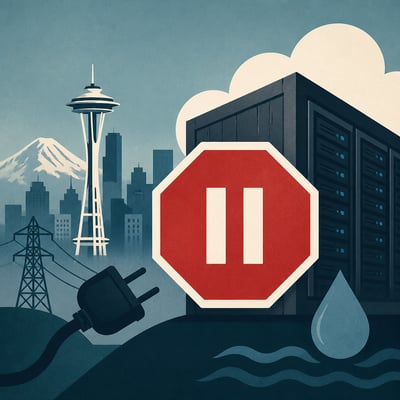
Several Washington jurisdictions are pausing or preparing to pause new data center approvals as officials assess whether local power, water, land-use rules, and public services can accommodate large high-density computing projects. Seattle’s one-year moratorium is the most significant action, following proposals totaling as much as 369 megawatts against a city system of roughly 1 gigawatt; Pasco approved a six-month pause, while Thurston County began preparing its own measure. The pauses are also being used to consider higher electricity charges, siting standards, cooling and noise requirements, and treatment of AI, blockchain, and cryptocurrency facilities.
Articles: 20
Last Updated: 08/19/2026
- 70
Colorado Cities Slow Data Center Expansion
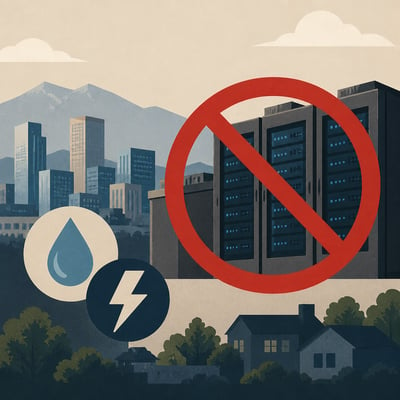
Colorado municipalities are slowing new data center construction through temporary moratoriums, capacity limits, and land-use reviews. Denver, Broomfield, Monument, Lochbuie, and Longmont are examining or restricting projects because of concerns about electricity demand, water use, noise, emissions, transportation, and effects on nearby neighborhoods. The measures create time for local rules, but they also leave project timelines and the treatment of already-permitted expansions uneven across jurisdictions.
Articles: 27
Last Updated: 08/27/2026
- 70
Northwestern Energy Pushes Data Center Large-Load Tariff In Montana
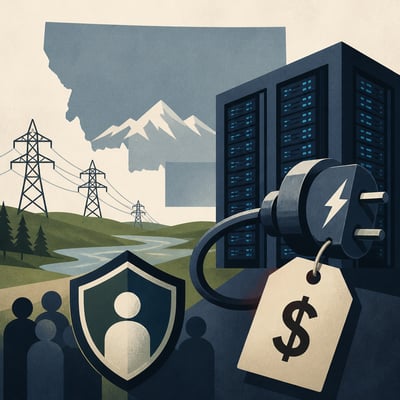
NorthWestern Energy is seeking approval in Montana for a large-load tariff covering new customers that use at least 5 megawatts, a threshold aimed largely at data centers. The proposal would require those customers to fund infrastructure upgrades and face related surcharges, while regulators and local officials debate how to protect existing ratepayers from higher bills and stranded costs if projects are delayed or fail to operate.
Articles: 4
Last Updated: 09/09/2026
- 70
Investors Buy Data Centers For AI
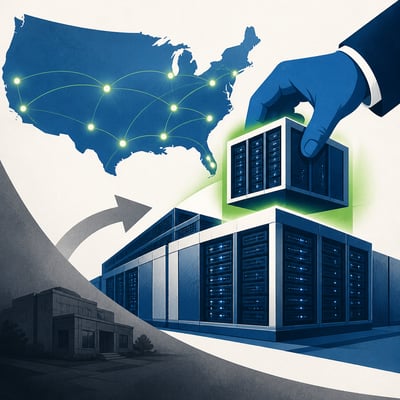
Infrastructure investors are committing substantial capital to data centers as demand shifts toward high-density, lower-latency AI workloads. I Squared Capital agreed to buy 10 Cogent facilities for $225 million and plans to invest another $1 billion, while a consortium led by AIP, MGX, and BlackRock’s GIP completed the approximately $40 billion purchase of Aligned and committed $5 billion for growth. The transactions expand investor control over sites with existing power, connectivity, and expansion potential, while making grid access, cooling, and deployment timelines increasingly important.
Articles: 10
Last Updated: 07/28/2026
- 70
Indianapolis Puts Data Centers On Hold
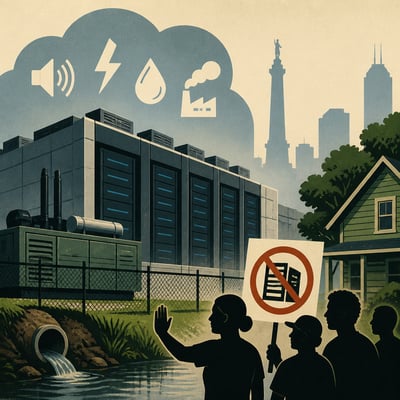
Indianapolis is moving from public debate over data center impacts to formal restrictions, including a special zoning district, tighter noise and setback standards, reporting requirements, and a moratorium on new approvals through December 31, 2027. The measures respond to sustained neighborhood opposition and concerns about noise, water use, electricity demand, land use, and community impacts. Previously approved projects may remain exempt, while officials develop longer-term standards and review pending proposals.
Articles: 46
Last Updated: 09/17/2026