
 AI Governance
 Data Centers
 Drones
 Climate
 Privacy
 2026 Maine Senate
 Bob Dylan
AI-Era Power, Water And Grid Demand
The ongoing major issues seen in articles and topics over time.
The Drivers
43
Articles Related
606
The Big Picture
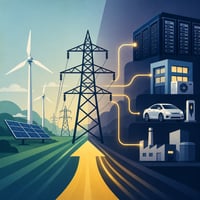
Electricity systems are being reshaped by fast-growing demand from AI data centers, electrified buildings, heat pumps, transport, and industrial loads. The enduring issue is whether grids can expand, interconnect, balance, and finance enough clean and reliable power fast enough.
Grid constraints increasingly determine the pace of decarbonization, the credibility of corporate clean-power commitments, household affordability, and reliability under climate stress. This issue will keep generating policy, utility, market, and infrastructure developments as load growth collides with slow transmission and interconnection processes.
Categories
Mitigation: Energy Transition, Markets, Industry & Innovation, Policy, Regulation & Governance, Economics & Finance, Adaptation & Resilience
Keywords
AI data center gas power, AI environmental disclosure, AI infrastructure heat impacts, Amazon emissions, behind-the-meter data centers, behind-the-meter gas plants, Big Tech carbon emissions, co-location agreements, corporate hourly clean power targets, data center climate litigation, data center cooling water discharge, data center cost shifting, data center demand response, data center fossil plant extensions, data center heat island, data center load shifting, data center ratepayer impacts, data center reliability standards, data center siting backlash, data center waste heat, data center water demand, data heat island, delayed fossil plant retirements, FERC large-load orders, flexible data center demand, fossil-powered data centers, fuel cells for data centers, Google emissions, Grid Trust Fund, hyperscaler emissions, large-load cost shifting, large-load excise tax, large-load flexibility requirements, large-load interconnection standards, large-load rate reform, Microsoft clean electricity target, non-wires alternatives, off-grid data center generation, oil field data centers, ratepayer protections, ratepayer stabilization fund, Scope 2 data center emissions, Scope 3 data center construction, time-shifting data center loads, time-to-power
The Drivers
The Topics below, and their articles, all focus on, exemplify, or help to explain this theme.
Primary
- 98
AI Data Centers Drive Gas Power
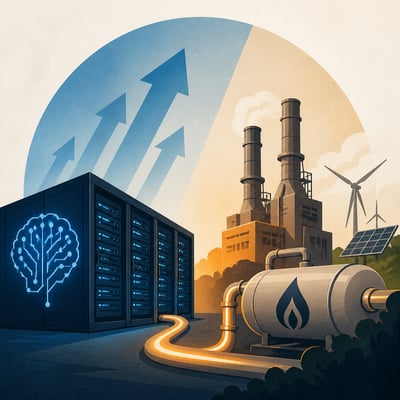
Rapid expansion of AI data centers is driving new natural-gas power projects, particularly in the United States and Alberta, as developers seek to avoid long grid-connection delays and secure reliable electricity. The trend is increasing projected emissions and local pressure on air quality, water supplies and electricity systems, while creating a major prospective market for gas producers and pipelines. It also exposes tension between companies’ annual renewable-energy accounting and the fossil-fuel facilities physically supplying some data centers.
Articles: 21
Last Updated: 09/05/2026
- 98
Data Center Demand And Grid Reliability
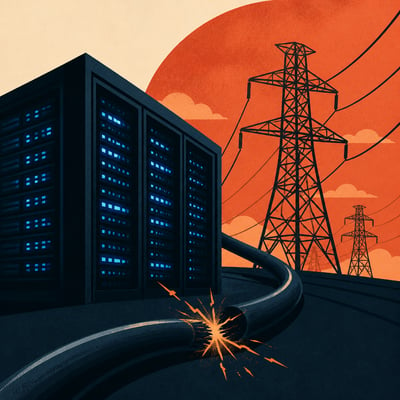
Fast-growing data center demand is pushing U.S. grid operators, utilities, and regulators toward new rules for interconnection, reliability, and cost allocation. The strongest signal is a shift toward flexible load, faster planning, and ratepayer protections as policy, market, and technical limits converge.
Articles: 17
Last Updated: 07/29/2026
- 98
Data Centers Weigh Gas Against Clean Power
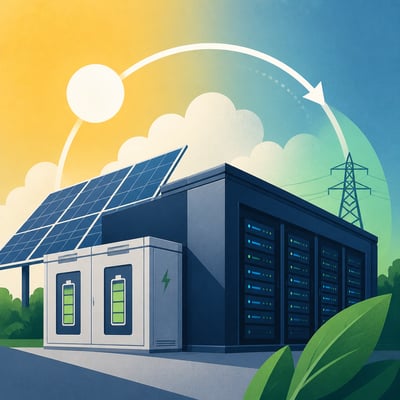
U.S. data-center expansion, particularly for artificial intelligence, is driving major new electricity demand and forcing decisions about how that power will be supplied. Planned behind-the-meter gas plants could accelerate construction but raise concerns about greenhouse-gas emissions, air pollution, fuel-price exposure, grid oversight, and costs for other customers. Renewable power paired with storage, demand response, and more efficient facility design is presented as an alternative that could reduce these risks while improving grid flexibility and community resilience.
Articles: 22
Last Updated: 07/28/2026
- 98
AI Data Centers Strain Climate Goals

Rapid AI data-center expansion is increasing electricity demand and creating new climate, water, and local pollution pressures. Microsoft reported a 25% rise in total emissions for fiscal 2025, while reviewing how to meet its hourly clean-energy commitment and disclosing natural-gas use at some facilities. Across the United States, communities and officials are challenging projects over emissions, water consumption, grid costs, noise, and public-health concerns, creating tension between AI growth, corporate climate commitments, and regional decarbonization efforts.
Articles: 22
Last Updated: 09/19/2026
- 97
Virginia Balances Data Centers And Clean Energy
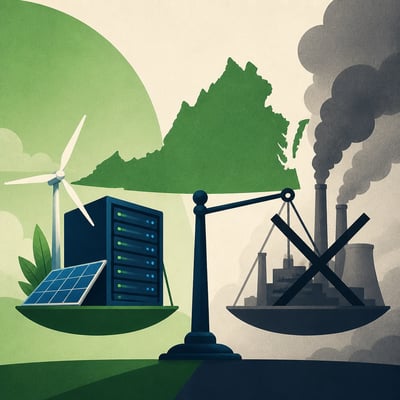
Virginia lawmakers and regulators are reshaping clean-energy policy as rapid data center growth increases electricity demand and intensifies debate over gas generation, grid costs, and ratepayer impacts. The 2026 legislative agenda advances solar, battery storage, energy efficiency, community solar, demand flexibility, and a possible return to the Regional Greenhouse Gas Initiative, while a proposed data center tax-break condition would tie public incentives to cleaner power and greater efficiency. The central tension is whether clean-energy additions and demand-management measures can expand quickly enough to limit new fossil-fuel generation and keep electricity affordable.
Articles: 8
Last Updated: 07/05/2026
- 97
U.s. Nuclear Comeback Faces AI Demand
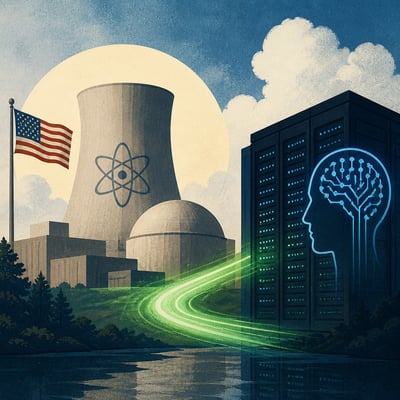
U.S. nuclear power is seeing renewed attention as states, utilities, and technology companies look for firm low-carbon electricity to meet climate goals and rising demand from AI data centers. The dominant pattern is not a wave of entirely new plants, but a mix of reactor restarts, life extensions, uprates, and early bets on advanced designs. The debate remains split between supporters who see nuclear as hard to replace for reliable clean power and critics who point to high costs, safety concerns, and waste. Federal backing, shifting public opinion, and large tech-company power deals are reinforcing the comeback narrative, even as timelines and economics remain uncertain.
Articles: 5
Last Updated: 07/09/2026
- 97
Musk’s AI Power Shift
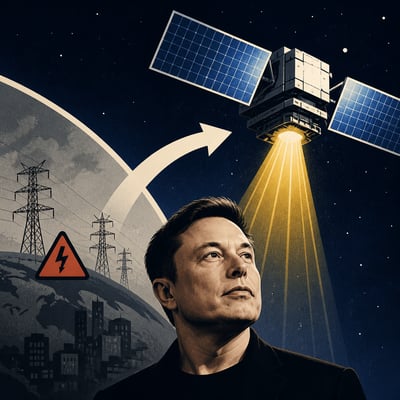
AI data centers are intensifying pressure for reliable electricity, prompting a mix of natural-gas generation, grid-scale batteries, terrestrial solar, and proposed space-based systems. xAI’s facilities illustrate the tension: they use Tesla Megapacks for power buffering while relying heavily on gas turbines, whereas Ambrosia Energy is developing solar-and-battery plants designed to provide continuous power. SpaceX and Elon Musk are also promoting orbital data centers powered by space-based solar, though major technical, financial, environmental, and regulatory uncertainties remain.
Articles: 7
Last Updated: 06/10/2026
- 97
Evs Become Flexible Grid Assets
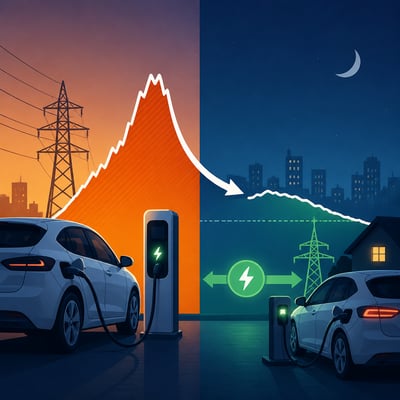
Electric vehicles are increasingly being treated as flexible grid resources rather than only sources of additional electricity demand. Vehicle-to-grid, managed charging, community batteries, and school-bus fleets can shift or return power during peak periods, support renewable integration, and provide backup power, but wider use depends on chargers, grid upgrades, customer incentives, common standards, and coordinated participation by automakers and utilities.
Articles: 10
Last Updated: 07/08/2026
- 96
Electrification Reshapes Clean Energy Transition
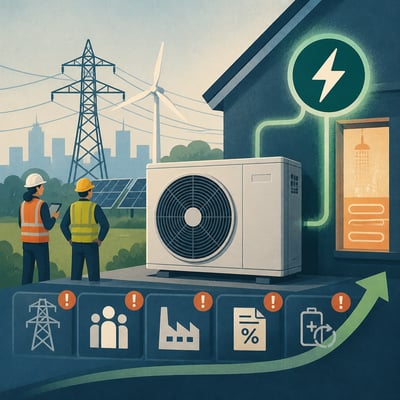
Electrification is moving from a power-sector goal toward a broader strategy for reducing fossil-fuel dependence in buildings, transport, industry, and infrastructure. The material emphasizes that electric technologies can improve energy efficiency and reduce exposure to volatile imported fuel markets, but faster progress will require cheaper electricity, stronger grids, flexible demand, targeted finance, and continued clean-power growth. Europe faces particular pressure to convert its clean electricity gains into wider use of electric vehicles, heat pumps, and industrial equipment, while China’s next phase of emissions reduction increasingly depends on electrifying heavy industry.
Articles: 15
Last Updated: 07/17/2026
- 96
AI Drives Carbon Capture Gas Power
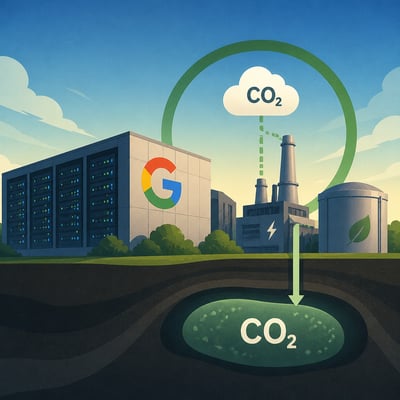
Rapidly growing electricity demand from AI data centers is reviving interest in pairing natural-gas power plants with carbon capture and storage in the United States. Google’s planned 400-megawatt Broadwing project in Illinois is the clearest announced example, while larger proposals in Nebraska and other regions remain under development or investigation. The approach could provide reliable power with lower direct emissions, but high capital costs, limited operating experience, uncertain financing, storage logistics, and policy changes continue to constrain deployment.
Articles: 23
Last Updated: 08/08/2026
- 96
Comed Expands Illinois Clean Grid
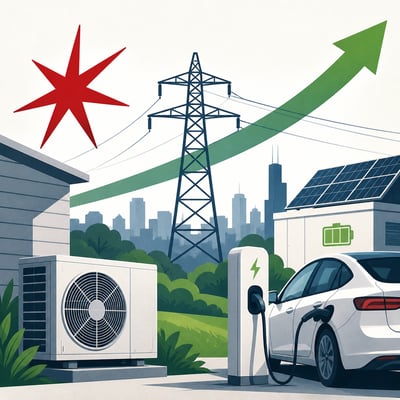
ComEd is expanding rebates, renewable-energy contracting, distributed-energy integration, and grid modernization to support Illinois’s clean-energy transition. Its 2028–2031 grid plan would add substations, communications, automation, and digital management systems while enabling more solar, storage, heat pumps, and electric vehicles. The transition is paired with affordability programs and equity-focused rebates, but the grid plan remains under Illinois Commerce Commission review and some post-2028 funding arrangements are still being developed.
Articles: 5
Last Updated: 05/28/2026
- 96
ISO New England’s Winter Peak Shift
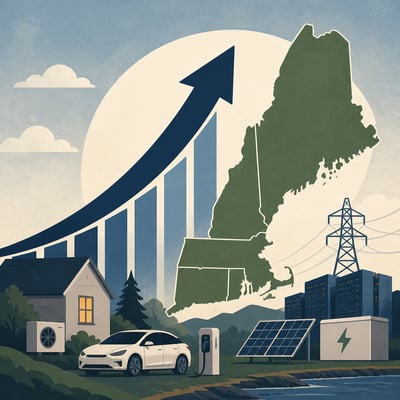
ISO New England expects electricity demand to rise as heat pumps and electric vehicles expand, although its 2026 forecast is more conservative than earlier projections after changes to federal incentives and adoption assumptions. The region is moving toward roughly equal summer and winter peaks by 2035, with winter demand increasingly shaped by electric heating, cold-weather conditions, and changing daily load patterns. Behind-the-meter solar and batteries will reduce some peak demand, but the forecast indicates that small batteries have limited winter value when peak timing is difficult to predict.
Articles: 6
Last Updated: 05/26/2026
- 96
UK Uses Flexible Demand For Surplus Renewables
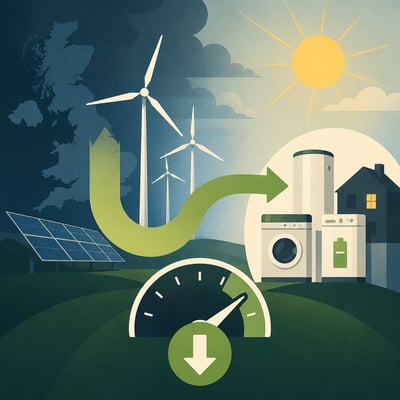
The UK is testing ways to use more electricity when wind and solar generation is high, including discounted tariffs, demand-response programs and incentives for households and businesses to shift flexible activities. The measures aim to reduce renewable curtailment and make better use of existing generation as grid constraints and slower growth in electricity demand create surplus periods. Related reporting highlights plug-in solar, batteries and daytime cooling as household applications of the same principle: aligning consumption with when renewable power is available.
Articles: 17
Last Updated: 07/09/2026
- 96
AI Boom Expands Climate Infrastructure
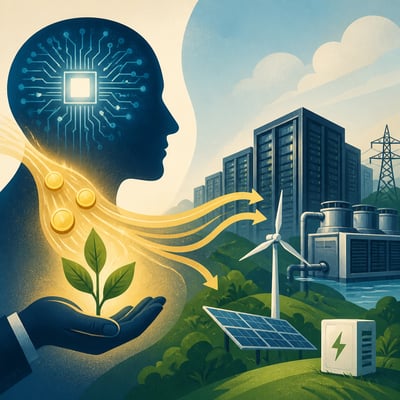
Rapid AI investment is reshaping climate-related capital flows and increasing pressure to secure reliable electricity for data centers. Technology companies and investors are showing greater interest in nuclear power, geothermal energy, storage, cooling, grid hardware, and other technologies that can support lower-carbon electricity supply. At the same time, new AI wealth and philanthropy may fund high-risk climate projects, while the sector's emissions, water use, materials demand, and infrastructure constraints create unresolved tensions.
Articles: 4
Last Updated: 06/10/2026
- 96
Texas Grid Balances Rapid Demand Growth
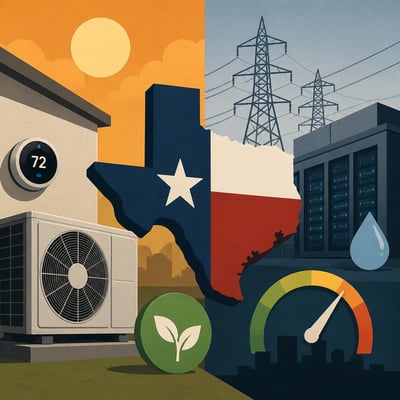
Texas is adding solar generation, battery storage, weatherization measures, and new large-load rules as data centers and extreme temperatures push electricity demand higher. The grid has recently maintained reserves during severe heat and a winter storm, but large data-center interconnection queues, water constraints, transmission costs, and localized outages continue to test the system. Heat pumps, building efficiency, and flexible electricity use are presented as ways to reduce peak demand, though funding limits and changing winter demand could weaken their benefits over time.
Articles: 9
Last Updated: 09/05/2026
- 95
Michigan Expands Solar And Battery Storage
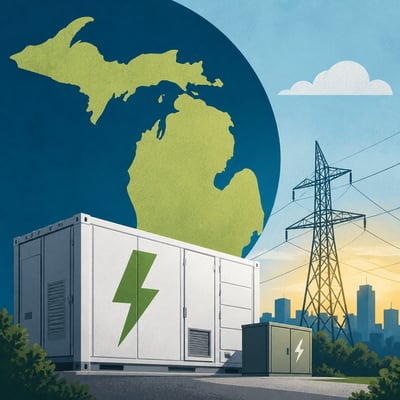
Michigan regulators are advancing a broad expansion of solar generation, battery storage, and distribution-system improvements through approvals involving Consumers Energy and DTE Energy. The decisions add significant planned capacity and reliability spending while linking new storage to renewable integration and a proposed hyperscale data center. They also expose persistent tensions over ratepayer costs, project siting, fire and environmental risks, and the level of public scrutiny applied to major power contracts.
Articles: 5
Last Updated: 06/11/2026
- 95
Australia’s Batteries Reshape Power Prices
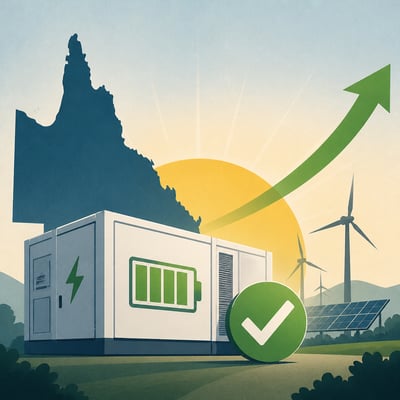
Australia’s electricity system is shifting toward higher renewable generation, with grid-scale and household batteries increasingly moving solar power from the middle of the day into evening demand periods. This is contributing to lower wholesale prices and projected retail price reductions in parts of the eastern states, while new tariffs are encouraging households to use more electricity during periods of abundant solar. The transition remains uneven: transmission costs, planning delays, weak wind and solar investment and a large gap between probable and committed projects could slow progress.
Articles: 25
Last Updated: 07/09/2026
- 94
Pacific Northwest Utility Rates Rise
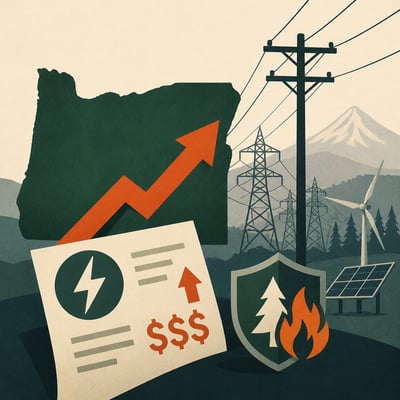
Utilities and regulators in Oregon and Washington are raising electricity and natural-gas rates as utilities recover costs for grid upgrades, wildfire and storm resilience, clean-energy compliance, and reliability investments. Oregon is also developing customer-specific charges and minimum commitments for large data centers so that new infrastructure costs are assigned more directly to high-growth customers. The changes increase pressure on household energy bills while highlighting transmission constraints, renewable-project delays, and the challenge of financing a cleaner and more reliable grid.
Articles: 6
Last Updated: 06/21/2026
- 94
Data Centers Raise Local Heat Risks
Rapid expansion of large AI and cloud data centers is prompting concern about localized heat, water consumption, electricity demand, and emissions. Research from the University of Cambridge suggests operating facilities can raise nearby land-surface temperatures, while the proposed Stratos Project in Utah has focused attention on the potential environmental effects of concentrating large amounts of computing and power generation near the shrinking Great Salt Lake. The consequences remain uncertain, particularly for proposed facilities, but the debate is broadening beyond energy demand to include heat exposure, drought, air quality, and local governance.
Articles: 8
Last Updated: 06/26/2026
- 94
States Push Data Centers To Pay

Illinois and California are developing policies that require data centers to account for their electricity demand, grid costs, water use, emissions, and community impacts. Measures include dedicated electricity tariffs, clean-energy procurement, water reporting and cooling standards, environmental review, ratepayer protections, and stronger siting authority. The broader direction is toward making large computing projects bear more of the infrastructure and environmental costs associated with their expansion, although several measures remain proposed or await implementation.
Articles: 11
Last Updated: 09/03/2026
- 93
Extreme Heat And Cooling Demand
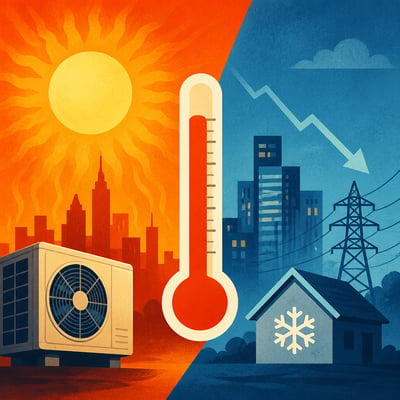
Research on warming and extreme heat points to much larger cooling demand, higher electricity use, and heavier adaptation pressure on buildings and grids, while heating demand declines in some colder regions.
Articles: 5
Last Updated: 07/12/2026
- 92
Solar Moves Ahead As Coal Retreats
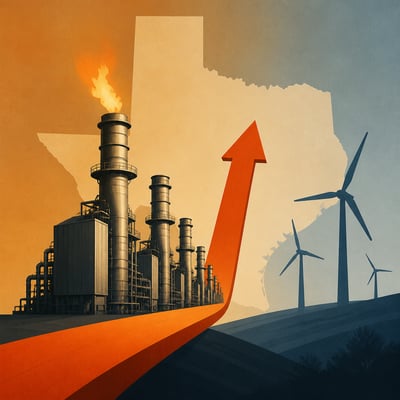
Solar supplied 12.8% of U.S. electricity in May 2026, narrowly surpassing coal at 12.2% and becoming the country’s third-largest electricity source behind natural gas and nuclear. The milestone reflects sustained solar growth, declining coal generation, and rising demand from data centers, manufacturing, and electrification, while batteries and transmission investment are expanding alongside new generation. Growth continues amid federal support for coal, slower clean-energy permitting, legal challenges, and persistent grid-reliability requirements.
Articles: 52
Last Updated: 09/07/2026
- 91
Rising Gas Costs And Electrification
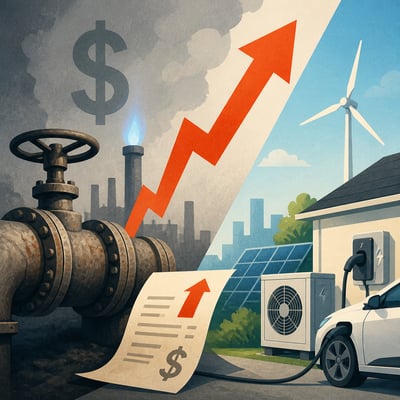
US energy prices and utility bills are rising as gas infrastructure spending, fuel volatility, and new load growth push costs higher. Across gas utilities, power planning, and household energy use, electrification is reshaping demand while exposing ratepayers to stranded assets, long lead times, and fragmented cost recovery.
Articles: 7
Last Updated: 07/22/2026
- 89
Virginia Moves To Rejoin RGGI
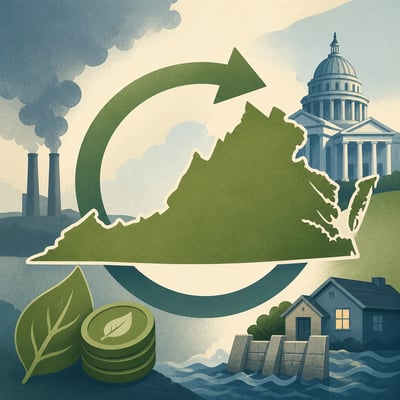
Virginia’s Democratic administration and legislature are advancing the state’s return to the Regional Greenhouse Gas Initiative, a multistate carbon market that requires power plants to purchase emissions allowances. The policy is being paired with energy-efficiency and flood-resilience funding, while utilities, business groups, and Republicans warn that allowance costs could raise electricity bills. The debate is gaining importance as Virginia’s data center growth sharply increases power demand and complicates efforts to reduce fossil-fuel generation.
Articles: 7
Last Updated: 06/15/2026
- 83
Vermont Yankee Redevelopment Faces Local Questions
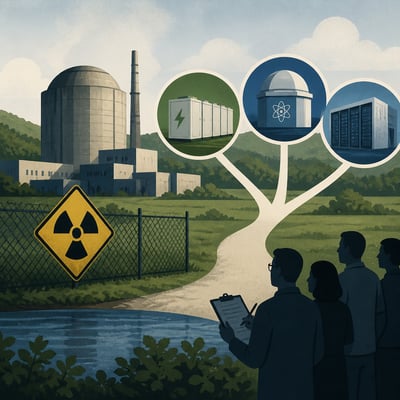
The former Vermont Yankee site in Vernon is entering a redevelopment phase as NorthStar completes decommissioning and leaseholder PowerTransitions evaluates battery storage, a small modular reactor, and a data center. Local and state officials are pressing for clearer plans, community involvement, and safeguards because spent nuclear fuel remains on site and some proposed uses could affect water, power demand, fire safety, and land-use review. The discussion also reflects a broader Vermont debate over whether advanced nuclear technology should remain restricted as the state seeks reliable low-carbon electricity.
Articles: 3
Last Updated: 07/09/2026
- 82
Australia’s EV Shift Cuts Emissions
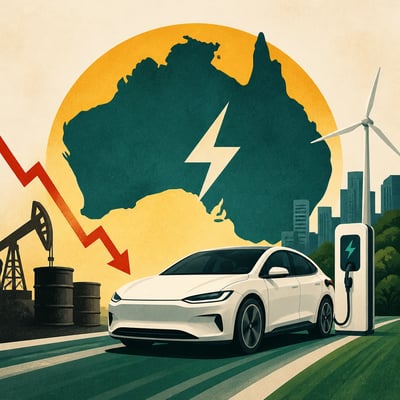
Australia’s electric vehicle market is expanding and is beginning to contribute to lower transport emissions, but EVs still represent a small share of the national vehicle fleet and new-car sales. Fuel-price volatility and reliance on imported oil are strengthening the case for electrification, while government policy remains contested over incentives, taxation, charging infrastructure and vehicle standards. Meeting Australia’s emissions goals will require much faster uptake alongside cleaner electricity and broader transport changes.
Articles: 8
Last Updated: 06/01/2026
Secondary
- 89
Ohio Blocks Clean Energy As Demand Rises
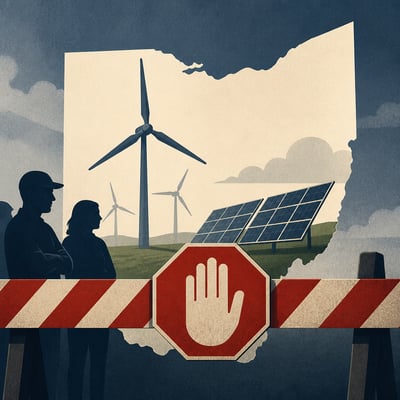
Ohio has made utility-scale wind and solar projects harder to build through setback rules, county restrictions, permitting decisions, and strong local opposition. Analysts and clean-energy advocates say more than 5.3 gigawatts of potential renewable capacity has been blocked or withdrawn, limiting low-cost power options as data centers increase electricity demand. The state is simultaneously approving behind-the-meter natural gas plants with battery storage, while disputes continue over farmland use, local authority, grid needs, and consumer costs.
Articles: 11
Last Updated: 07/07/2026
- 82
India’s Solar Boom Meets Its Grid
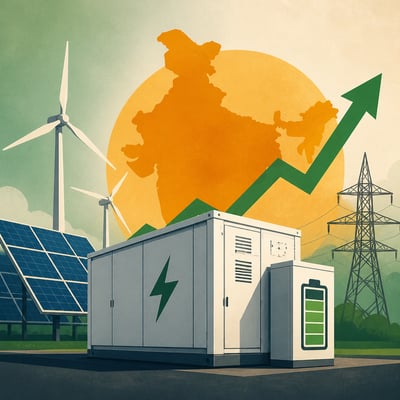
India is expanding renewable capacity rapidly, but transmission congestion, limited storage, and inflexible coal generation are preventing the power system from absorbing all available solar and wind output. Curtailment is concentrated in major renewable-producing states such as Gujarat and Rajasthan, while rising cooling and agricultural-pumping demand increases the need for electricity after solar production declines. India is responding with expanded transmission, battery and pumped storage, hybrid renewable projects, digital grid management, and proposed storage and grid-forming-inverter requirements for new projects.
Articles: 40
Last Updated: 09/17/2026
- 81
China’s Five-Year Climate-Energy Plan
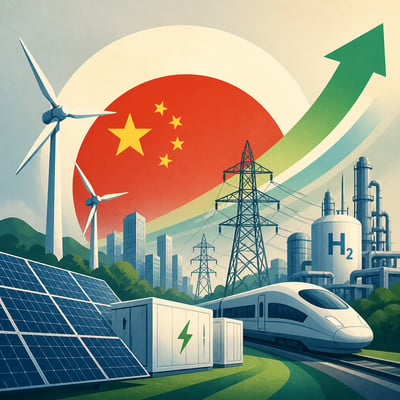
China’s 2026–2030 climate and energy plans accelerate renewable power, storage, transmission, electric vehicles, hydrogen, nuclear energy, and related industrial technologies. At the same time, the strategy retains a significant role for coal and relies mainly on carbon-intensity, sectoral, and non-CO2 emissions controls rather than setting a clear absolute emissions cap or coal phaseout schedule. The resulting direction combines clean-energy growth and stronger climate governance with continued emphasis on energy security, industrial capacity, and international cooperation.
Articles: 14
Last Updated: 08/13/2026
- 79
Britain May Miss 2030 Clean Power Target, Says ECIU
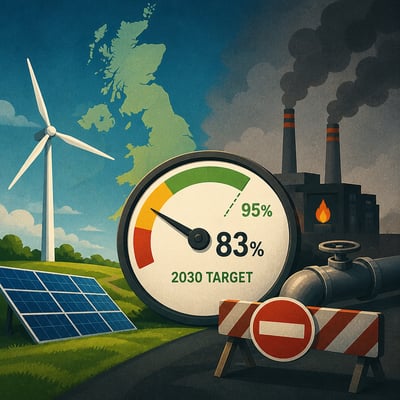
Britain is expanding renewable generation and reforming project approvals and grid connections, but current projections suggest clean sources will provide about 83% of electricity by 2030, below the government’s 95% target. The shortfall is linked mainly to delayed network upgrades, renewable power being constrained off the grid, and continued gas generation when wind and solar output is insufficient or cannot reach demand. Even if the target is delayed, the planned buildout is expected to reduce gas use, power-sector emissions and exposure to global gas-price shocks, although lower household bills are not yet guaranteed.
Articles: 3
Last Updated: 07/04/2026
- 79
New Jersey Moves To Cut Power Costs
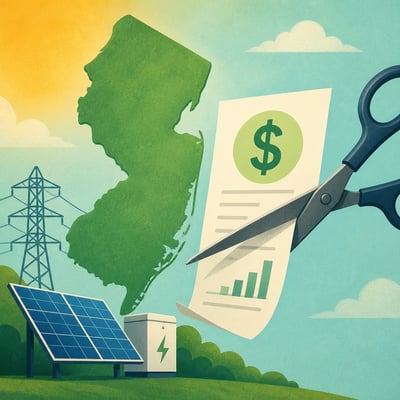
New Jersey is combining short-term electricity bill relief with measures intended to expand solar, battery storage, grid capacity and possible nuclear generation. The approach responds to roughly 20% household bill increases, rising regional power demand and pressure on the PJM grid, while exposing tensions between immediate affordability, utility finances, clean-energy goals and project permitting. Related New York coverage shows that battery storage expansion also faces local safety concerns and regulatory delays.
Articles: 24
Last Updated: 09/02/2026
- 79
New York Battery Storage And Nuclear Buildout
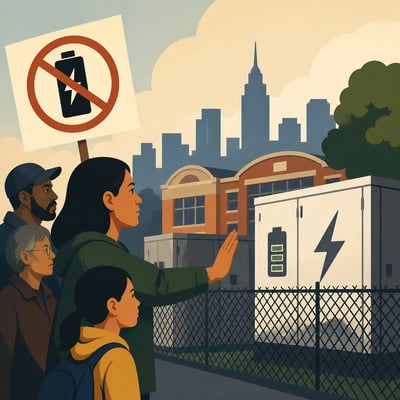
New York is pushing two parallel clean-power tracks: rapid battery and solar expansion to support grid reliability, and a new advanced-nuclear planning effort. The strongest friction points are local battery moratoriums, interconnection costs, fire-safety rules, and siting disputes, especially around New York City and upstate communities.
Articles: 21
Last Updated: 07/08/2026
- 78
Clean Energy Advances Amid Federal Pushback
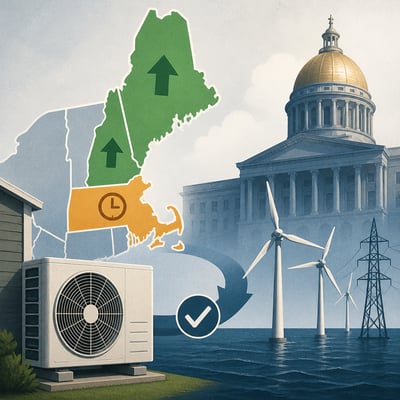
Clean-energy activity is continuing in parts of the United States despite federal efforts to reduce support for renewables, with states such as Maine, Massachusetts, Maryland, and California advancing heat pumps, solar, geothermal systems, and decarbonization policies. Offshore wind is the clearest area of retreat: project cancellations, permitting uncertainty, and rising costs have weakened investor confidence even as the Northeast expects electrification to increase demand for new power. The broader transition is therefore advancing unevenly, shaped by state action and market conditions but limited by grid capacity, skilled labor shortages, local opposition, and unequal access to clean technologies.
Articles: 42
Last Updated: 07/06/2026
- 78
Sunzia Connects New Mexico Wind
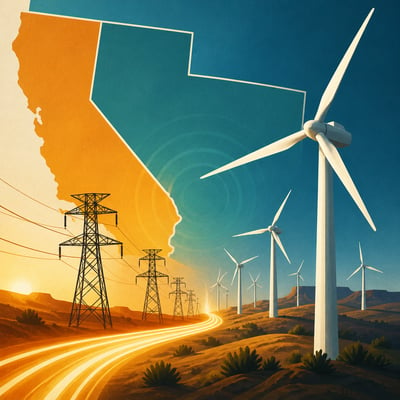
Pattern Energy’s SunZia project has begun delivering electricity from a major wind facility in New Mexico through a 550-mile high-voltage direct-current transmission line to Arizona and Southern California. The combined project includes up to 3.65 gigawatts of wind capacity and is intended to move remote renewable generation to major demand centers while improving grid flexibility. Its completion highlights both the scale of transmission needed for renewable power and the permitting, routing, environmental, and political challenges that can extend development over many years.
Articles: 10
Last Updated: 09/10/2026
- 74
Hawaiʻi Weighs Solar, Storage, LNG
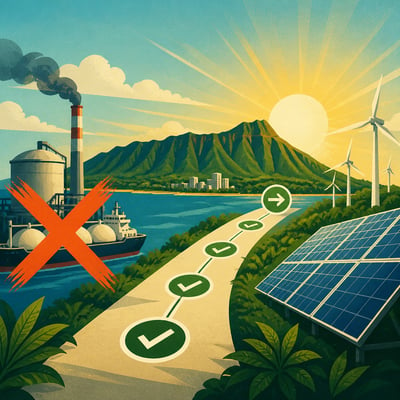
Hawaiʻi is advancing an island-by-island transition from imported fossil fuels toward renewable electricity, with solar, battery storage, electrification, geothermal power, and grid modernization at the center of planning. Recent Oʻahu modeling finds that reducing solar development costs and avoiding additional fuel-burning plants could lower long-term customer costs, while Hawaiian Electric and policymakers continue to consider LNG, renewable-fuel, and geothermal options. The transition remains shaped by land constraints, community concerns, resilience needs, and the distinct operating conditions of each island.
Articles: 14
Last Updated: 07/09/2026
- 74
Air Conditioning’s Climate Trade-Off
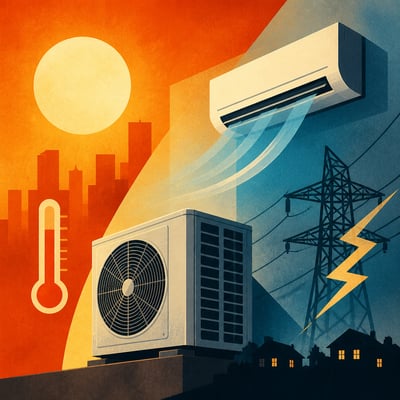
Air-conditioning use is expanding as heatwaves intensify, with studies and recent energy analyses pointing to sharply higher cooling demand through 2050. Cooling can reduce heat exposure and associated health risks, but its climate impact depends on appliance efficiency, refrigerants, building design, and the carbon intensity of electricity. The central challenge is widening access to safe cooling without increasing emissions, peak power stress, and urban heat, particularly in South Asia, Africa, and other rapidly warming regions.
Articles: 24
Last Updated: 08/05/2026
- 74
EV Batteries Expand Grid Storage
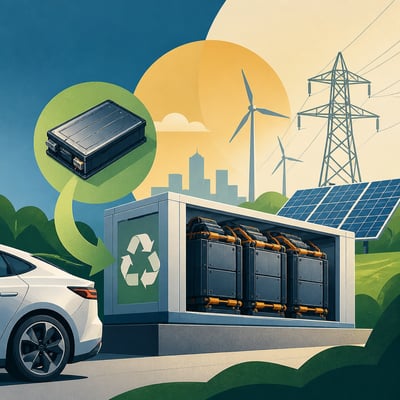
Electric-vehicle batteries are becoming more closely integrated with electricity storage through several routes: sodium-ion cells are entering early EV and stationary applications, retired lithium-ion packs are being reused, and bidirectional charging could allow parked vehicles to support homes and power grids. Stationary storage is also becoming a more important source of battery demand as utilities, data centers and renewable-energy systems require flexible capacity. The direction is promising but remains dependent on cost, safety certification, charging standards, battery performance and reliable end-of-life management.
Articles: 8
Last Updated: 07/09/2026
- 73
Mexico Expands Renewable Power And Storage
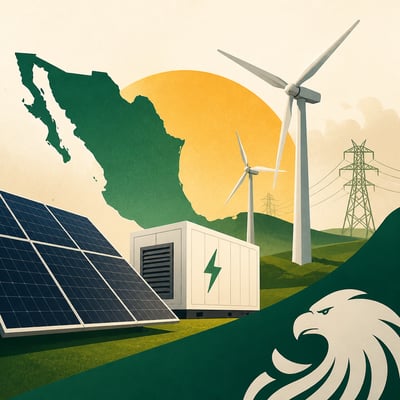
Mexico is reshaping its electricity sector to expand renewable generation and storage while allowing a larger role for private investors alongside the state-owned Federal Electricity Commission. Government plans prioritize solar, wind, storage, transmission, and faster project approvals, with activity supported by state-level efficiency programs and industrial solar installations. The transition could create substantial clean-energy capacity and investment opportunities, but progress depends on grid financing, permitting, interconnection, and continued exposure to imported natural gas.
Articles: 6
Last Updated: 12/01/2026
- 72
Ann Arbor’s City-Owned Energy Pilot
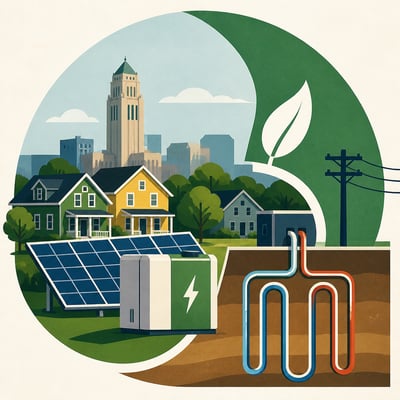
Ann Arbor is developing a voluntary Sustainable Energy Utility in the Bryant neighborhood, allowing the city to own and manage clean-energy equipment while residents remain connected to DTE Energy’s grid. The pilot is expected to combine solar, batteries, energy-efficiency upgrades, and a neighborhood-scale geothermal system serving roughly 260 homes and community facilities. The approach is intended to lower energy costs, reduce emissions, improve reliability, and extend clean-energy access to renters and energy-burdened households, though high upfront costs, older-building upgrades, installation capacity, and uncertain demand remain challenges.
Articles: 4
Last Updated: 09/17/2026
- 72
Washington Strengthens Grid For Renewables
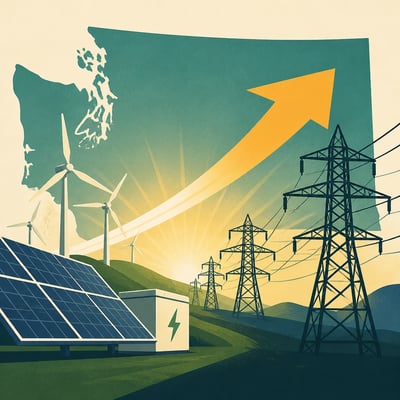
Washington is combining community clean-energy grants with a new statewide transmission authority to expand renewable generation, improve resilience, and address delays connecting projects to the electric grid. The initiatives span solar, storage, microgrids, thermal networks, hydrogen, and transmission planning, while raising practical questions about permitting, land use, environmental impacts, and implementation capacity. Regional studies indicate that meeting climate and peak-demand needs would require substantial additional generation, storage, and transmission across the Pacific Northwest.
Articles: 11
Last Updated: 09/01/2026
- 71
Solar-Plus-Storage Reshapes Grid Flexibility
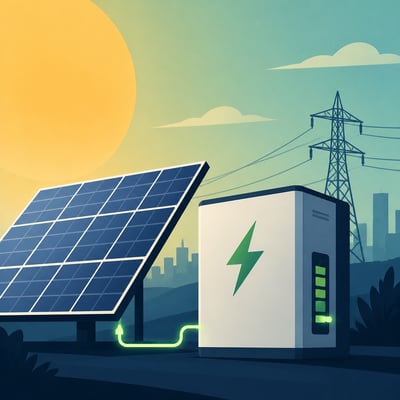
Solar generation is increasingly being paired with battery storage and grid-forming inverter controls to shift surplus power, reduce curtailment, provide balancing services, and support stable operation as renewable penetration rises. Projects and industry programs in Australia, Denmark, Europe, and other markets show that the technology is moving from demonstration toward broader deployment, but progress still depends on interconnection standards, interoperable controls, cybersecurity, and market rules that recognize the services storage provides.
Articles: 8
Last Updated: 07/08/2026
- 70
Hungary Expands Battery Storage Capacity
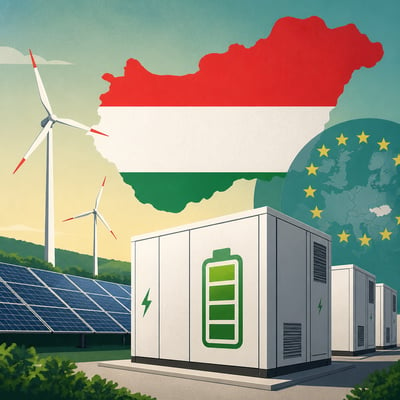
Hungary is commissioning larger battery storage projects and developing additional capacity to manage fluctuations from its expanding solar and wind generation. New systems in Buj, Sopronkövesd and Tiszaújváros are designed for grid balancing, ancillary services and renewable-energy integration, while Veolia is planning storage alongside flexible gas generation to address evening demand peaks during heatwaves. The expansion is supported by EU funding and government plans, but reported capacity figures vary by project scope, timing and measurement method.
Articles: 4
Last Updated: 07/01/2026
- 70
European Battery Storage And Grid Strain
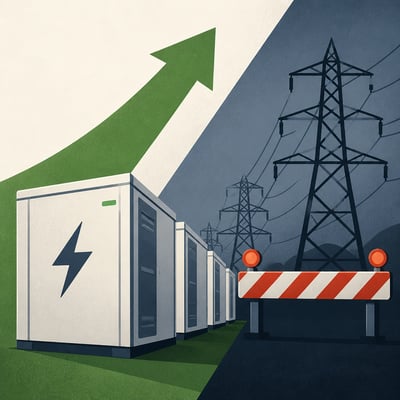
Battery storage is expanding quickly across Germany, Europe, and the United States, but grid bottlenecks, interconnection delays, curtailment, and falling capture prices are increasingly shaping how useful that capacity is. Germany stands out for both rapid storage growth and persistent flexibility and price problems in its power system.
Articles: 34
Last Updated: 07/08/2026