
 AI Governance
 Data Centers
 Drones
 Climate
 Privacy
 2026 Maine Senate
 Bob Dylan
Biometric Governance
The ongoing major issues seen in articles and topics over time.
The Drivers
46
Articles Related
1,058
The Big Picture

This theme concerns the collection, use, retention, and contestability of biometric identifiers such as faces, voiceprints, fingerprints, iris data, and likenesses. It spans consumer services, policing, retail, airports, age verification, platform deepfake controls, and AI systems that infer or authenticate identity.
Biometric systems make identity measurable and reusable, creating high-stakes privacy risks because biometric data is difficult to replace and often collected in public, commercial, or compulsory settings. Governance questions around consent, accuracy, bias, retention, opt-out rights, and redress will remain central as biometric systems spread across everyday infrastructure.
Categories
Personal Data & Identity, Privacy Technology & AI, Data Collection & Surveillance Practices, Consumer Privacy & Digital Rights, Risk, Harm & Societal Impact
Keywords
airport face matching, automation bias in face matching, bar facial recognition, biometric redress, BIPA facial recognition settlement, border fingerprinting, bus facial recognition, bystander face scans, bystander facial recognition, Clearview AI settlement, covert smart glasses recording, covert wearable cameras, dormant facial recognition code, driver monitoring cameras, EU biometric border controls, event biometric surveillance, Facewatch, Facewatch police alerts, facial recognition activist dossiers, facial recognition audits, facial recognition class action, facial recognition false match, facial recognition misidentification, facial recognition wrongful arrest, fixed live facial recognition, Google Wallet Touchless ID, Illinois biometric privacy, in-car biometric monitoring, live facial recognition, live facial recognition in shops, live facial recognition vans, Madison Square Garden biometrics, Meta AI glasses, Meta NameTag, Meta Ray-Ban facial recognition, mobile facial recognition trial, NameTag faceprints, on-device faceprints, police face matching, private-sector facial recognition, public venue facial recognition, public-space biometric surveillance, Ray-Ban Meta face recognition, real-time police facial recognition alerts, retail facial recognition police notification, retail live facial recognition, Ring Familiar Faces, Sainsbury's facial recognition, Schengen Entry Exit System, smart glasses biometric scanning, smart glasses face recognition, smart glasses faceprints, smart glasses facial recognition, smart glasses recording, stadium facial recognition, Texas biometric privacy, ticketing biometrics, transit facial recognition, traveler facial images, TSA facial recognition pilot, TSA Touchless ID, venue biometric records, watchlist matching, wearer-only face recognition, World Cup facial recognition
The Drivers
The Topics below, and their articles, all focus on, exemplify, or help to explain this theme.
Primary
- 99
Met Police Expands Facial Recognition Trials

Police forces are expanding facial recognition trials, with London’s Metropolitan Police testing both fixed or vehicle-mounted live systems and handheld operator-initiated devices. The deployments are intended to identify wanted people more quickly and, in some cases, reduce arrests or detentions, but they remain contested because of questions about legal authority, watchlists, biometric data handling, accuracy, racial disparities, and independent oversight. The wider direction is toward broader operational use alongside continuing demands for clearer safeguards and public accountability.
Articles: 104
Last Updated: 09/06/2026
- 99
BIPA Damages Limited Retroactively
Recent Seventh Circuit rulings say Illinois BIPA's 2024 damages limit applies to pending cases, narrowing scan-based recovery and reducing class-action leverage in biometric privacy litigation.
Articles: 4
Last Updated: 07/13/2026
- 99
Florida Police Sued Over Facial Recognition Arrest

Robert Dillon is suing Florida law enforcement agencies after investigators allegedly relied on a 93 percent facial recognition result to link him to surveillance footage in a child-luring case. Dillon says the arrest proceeded despite weak image quality, contradictory location evidence, and other information that could have undermined probable cause; the criminal case was later dropped. The lawsuit seeks damages and changes to police use of facial recognition, highlighting the consequences of treating algorithmic leads as a substitute for corroborating investigation.
Articles: 4
Last Updated: 06/12/2026
- 99
Jacksonville Facial Recognition Arrest Errors
Law-enforcement use of facial recognition is under scrutiny after Jacksonville-area investigators used an automated match in cases involving Jalil Richardson and Robert Dillon, both of whom said they were wrongly arrested. Richardson was detained for weeks before prosecutors dropped the case after work records supported his alibi, while Dillon has sued Jacksonville-area police seeking accountability and policy changes. The cases highlight the practical consequences of treating facial recognition results and related identifications as sufficient without timely independent verification.
Articles: 20
Last Updated: 08/24/2026
- 99
Clearview AI Privacy Jurisdiction Rulings

Recent rulings in Canada and the UK are testing how far privacy laws reach when facial recognition companies collect biometric data across borders. Clearview AI remains the dominant example, with courts and regulators split on territorial enforcement but consistent in treating biometric scraping as a privacy issue.
Articles: 10
Last Updated: 07/13/2026
- 99
ACLU Sues Over Facial Recognition Arrest
The ACLU is representing Robert Dillon in a federal lawsuit alleging that a facial recognition result contributed to his wrongful arrest in Florida for a child-enticement charge that prosecutors later dropped. The case challenges how Jacksonville Beach, Jacksonville, and Pinellas County law enforcement used and interpreted the FACESNXT system, including whether investigators treated an investigative lead as probable cause and omitted exculpatory information. Pinellas County disputes failures in training or safeguards and says the system requires independent identity verification.
Articles: 3
Last Updated: 06/12/2026
- 99
Police Facial Recognition Triggers Scrutiny
Police departments are using facial recognition to identify suspects in cold cases, fraud investigations, and other criminal inquiries, while several incidents have exposed the consequences of treating algorithmic matches as reliable evidence. The material highlights false positives, potential demographic disparities, weak investigative safeguards, and prolonged detention, alongside agency efforts to restrict tools, add human review, and improve training. The central issue is how facial recognition can support investigations without replacing corroboration, due process, or accountable police judgment.
Articles: 50
Last Updated: 05/15/2026
- 99
Fargo Facial Recognition Wrongly Identifies Tennessee Woman

Angela Lipps, a Tennessee resident, was arrested and detained after investigators linked her to a Fargo, North Dakota, bank-fraud investigation through a facial-recognition-assisted identification involving a fake ID image. Her charges were dismissed after bank records supported her account that she was in Tennessee, prompting criticism of biometric evidence, investigative verification, and the threshold for probable cause. Fargo police said the department made an identification error and responded with additional training and a new AI-use policy.
Articles: 8
Last Updated: 04/01/2026
- 99
Privacy Advocates Call To Block Meta's Facial Recognition Glasses
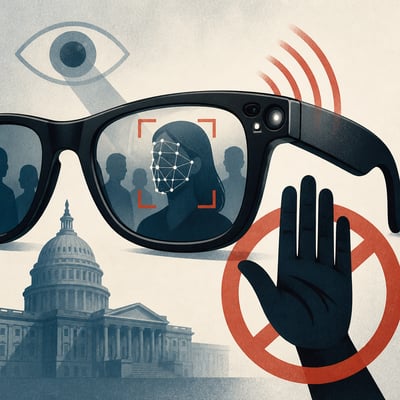
Meta’s reported plan to add facial recognition to Ray-Ban Meta smart glasses has prompted privacy advocates, regulators, and U.S. senators to seek scrutiny or intervention before deployment. Critics warn that combining discreet recording with real-time identification could enable stalking, doxxing, profiling, and identification of people in sensitive public settings. The feature has not been publicly confirmed by Meta, and no launch timeline has been established.
Articles: 4
Last Updated: 03/18/2026
- 98
Retail Facial Recognition Faces Pushback
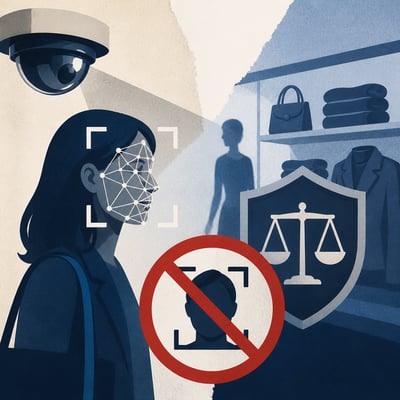
Facial recognition is being deployed or considered in grocery stores, entertainment venues, and other public-facing settings for loss prevention, security, customer identification, and potentially marketing or pricing. The practice is drawing scrutiny over scanning people who are not suspected of wrongdoing, unclear data retention and sharing, error and bias, and the use of biometric profiles as persistent identifiers. Lawmakers in New York, Connecticut, and elsewhere are pursuing restrictions, while disputes involving Madison Square Garden and a Clearview AI criminal case are testing disclosure and accountability requirements.
Articles: 44
Last Updated: 09/01/2026
- 98
Okcupid Facial Recognition Privacy Settlement

FTC enforcement against OkCupid and Match Group over undisclosed photo sharing with Clarifai dominates the topic, with repeated emphasis on facial recognition use, missing user notice, and long-term compliance restrictions rather than monetary penalties.
Articles: 10
Last Updated: 06/22/2026
- 98
ICE Expands Domestic Surveillance Tools
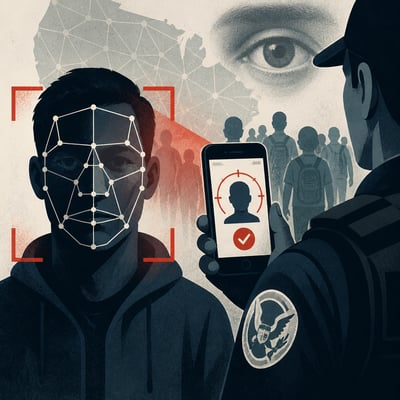
ICE and other Department of Homeland Security components are reported to be expanding their use of facial recognition, license-plate readers, geofencing, phone forensics, social-media monitoring and data-broker information to identify and track people in the United States. Reporting also describes plans to extend some capabilities to local police and to combine immigration records with government, commercial and biometric data. The developments matter because they increase the scale and reach of immigration surveillance while prompting disputes over warrants, data retention, accuracy, secondary use and oversight.
Articles: 72
Last Updated: 09/01/2026
- 98
Facial Recognition Match Jails Tennessee Woman

Angela Lipps was arrested in Tennessee after Fargo investigators used facial recognition to identify her as a suspect in a North Dakota bank fraud investigation. She remained in custody for months before bank records showed she was in Tennessee when the crimes occurred, leading prosecutors to dismiss the charges. The case highlights how an algorithmic match, when not independently verified, can contribute to wrongful detention, disrupted extradition, and severe personal and financial consequences.
Articles: 24
Last Updated: 04/02/2026
- 97
Kansas City Bus Facial Recognition Plan
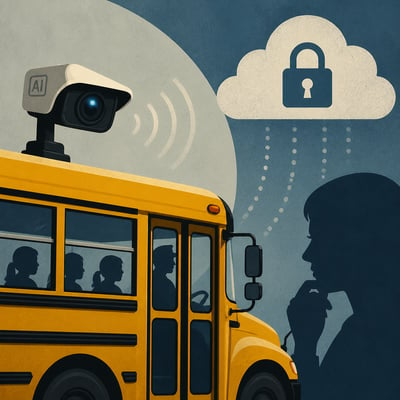
Kansas City, Missouri plans to deploy facial recognition cameras on some public buses to match captured images against active alerts involving banned riders, missing persons, or selected law-enforcement watch lists. SafeSpace Global says non-matching facial data would not be retained, while ordinary bus video could be stored for up to five years. The rollout has been delayed by technical and funding problems, including Missouri’s decision not to fund the facial-recognition component, while privacy advocates warn that a narrowly defined system could expand and reproduce errors or bias associated with earlier deployments.
Articles: 28
Last Updated: 07/05/2026
- 97
Milwaukee Law Enforcement Facial Recognition
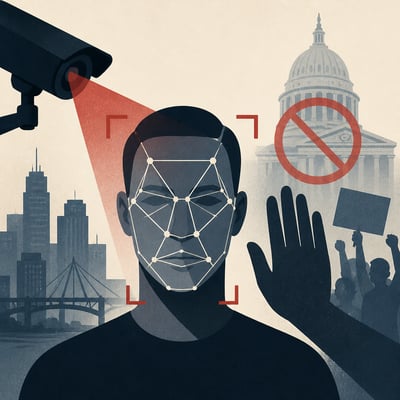
Milwaukee law-enforcement agencies are weighing or pursuing facial-recognition capabilities while officials, residents, and civil-liberties advocates press for stronger policies, transparency, and limits on data sharing. The Milwaukee Police Department has paused its use pending a formal policy, but the Milwaukee County Sheriff’s Office is negotiating a potential Biometrica UMbRA agreement that could expand access to biometric records. The broader debate also includes concerns about false matches, racial bias, public notice, and federal immigration agencies’ use of similar tools.
Articles: 20
Last Updated: 07/26/2026
- 97
Google Adds Selfie-Video Account Recovery
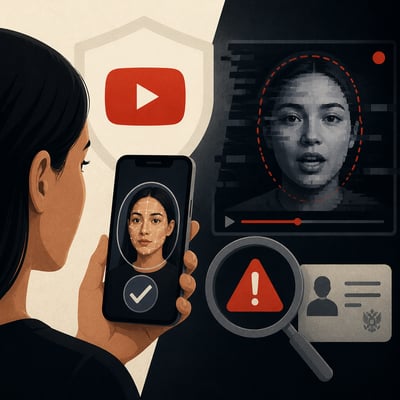
Google is introducing an optional selfie-video verification method that eligible users can use to sign in or recover access when conventional methods such as passwords, backup email, phones, or trusted devices are unavailable. The system compares a stored enrollment video with a later live recording and uses guided head movements to support liveness and impersonation checks, including defenses against deepfakes. The feature may improve account recovery resilience but also expands Google’s handling of facial biometric data, while a separate Google Vids update extends the company’s use of user likenesses into AI-generated avatars.
Articles: 10
Last Updated: 07/23/2026
- 96
AI Surveillance Expands Across Institutions

AI surveillance is expanding across educational institutions, campuses, workplaces, public spaces, and event security operations. Systems can analyze faces, movement, behavior, online activity, and other signals to support security or educational functions, while also creating detailed profiles that may affect people without clear notice or meaningful control. The central privacy questions concern data accuracy, retention, vendor and government access, secondary use, and whether temporary or limited deployments become persistent infrastructure.
Articles: 42
Last Updated: 08/27/2026
- 96
School Facial Recognition Regulation
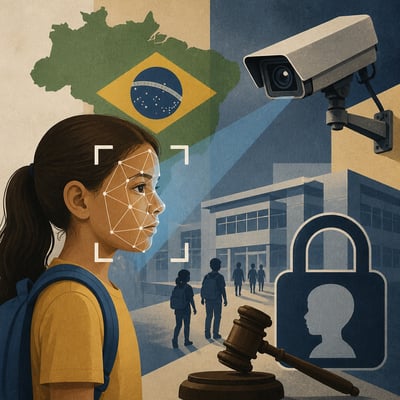
Brazil’s school facial-recognition deployments have become a privacy and governance issue, driven by large-scale biometric attendance systems, reported accuracy problems, and new legislative and regulatory responses. The strongest signal is around children’s biometric data, retention practices, welfare-link concerns, and the export of surveillance tools from Europe to Brazil.
Articles: 6
Last Updated: 07/19/2026
- 96
EU Biometric Border Checks Strain Travel

The EU Entry/Exit System is expanding the use of fingerprints, facial images, and biometric verification for non-EU travelers entering and leaving the Schengen area. Airports, airlines, and Channel crossing authorities report delays linked to queue capacity, malfunctioning kiosks, and uneven readiness, while the EU rejects calls for a broad suspension and the UK and France add staff and funding. The Gibraltar-Spain agreement shows the system expanding alongside new cross-border arrangements and wider use of facial-recognition infrastructure.
Articles: 26
Last Updated: 08/12/2026
- 96
AI Voice Training Faces Illinois BIPA Suits
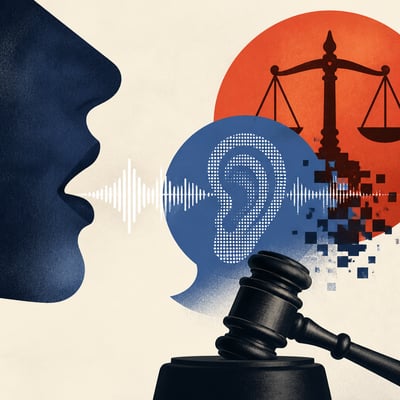
Illinois journalists, podcasters, voice actors and other residents have filed class-action lawsuits alleging that major technology companies used recorded voices to develop AI systems without the notice and written consent required by the Illinois Biometric Information Privacy Act. The cases may test whether voiceprints extracted from recordings qualify as protected biometric identifiers and whether AI training constitutes regulated collection or use. Related Illinois disputes over facial recognition, automated transcription and proposed AI legislation show broader pressure on companies to disclose and limit biometric and personal-data practices.
Articles: 26
Last Updated: 08/05/2026
- 95
AI Patterns Challenge Surveillance Cameras
Researchers and privacy-focused designers are developing printed patterns, garments, and vehicle coverings intended to interfere with software that detects people, faces, vehicles, or license plates. Bill Swearingen's noRecognition project reported testing roughly 31 million generated patterns against 11 open-source detection systems and demonstrated a patterned vehicle against a Flock camera, while Urban Privacy markets related anti-tracking products. The techniques do not block recording and their real-world effectiveness remains dependent on camera conditions, model updates, and the specific surveillance system involved.
Articles: 12
Last Updated: 08/10/2026
- 95
Digital Ids Face Fraud And Privacy Risks
Lawmakers and witnesses are weighing digital identity verification as a way to reduce fraud in taxpayer-funded benefits, amid claims that artificial intelligence is accelerating synthetic identity attacks. The proposed tools could improve pre-payment screening, but privacy advocates warn that mobile credentials, biometric databases, and identity-use records could enable persistent tracking or later repurposing. The central policy issue is how to verify people and detect fraud without creating centralized systems that expand surveillance or restrict legitimate access to services.
Articles: 14
Last Updated: 07/16/2026
- 95
Biometric Data Sharing And Identity Systems
New Zealand is weighing broader biometric data sharing with the United States while airlines expand biometric digital ID systems for travel, putting privacy safeguards, consent, and data sovereignty under pressure.
Articles: 3
Last Updated: 04/09/2026
- 94
DNA Collection After Felony Arrest
Kentucky lawmakers are advancing a bill that would require DNA collection from adults booked on felony charges, adding to a broader U.S. pattern of arrestee DNA laws that trade expanded identification powers for privacy and retention safeguards.
Articles: 6
Last Updated: 07/07/2026
- 94
ACLU Challenges Facial Recognition Arrests
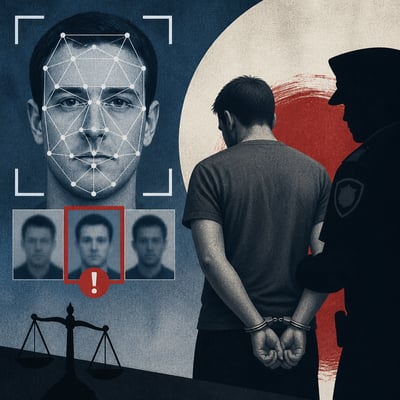
The topic centers on ACLU efforts to challenge law-enforcement reliance on facial recognition and other AI systems in criminal investigations. A Florida lawsuit alleges that police treated a FACESNXT candidate result based on poor-quality surveillance images as confirmation, contributing to Richard Dillon’s arrest before charges were dropped, while an ACLU toolkit urges Massachusetts defense attorneys to seek disclosure of undisclosed AI-generated evidence. The developments highlight unresolved questions about independent verification, image quality, algorithmic error, vendor secrecy, and defendants’ ability to test evidence used against them.
Articles: 10
Last Updated: 07/20/2026
- 94
Facial Recognition Smart Locks

Consumer smart-lock makers are pushing facial recognition and other biometrics into home access products, with a strong emphasis on on-device processing, local storage, and spoof resistance. The main privacy issue is not cloud surveillance alone, but the permanence and custody of biometric data used for everyday entry.
Articles: 8
Last Updated: 08/08/2026
- 91
Apple’s Glasses Bet Meets Consent
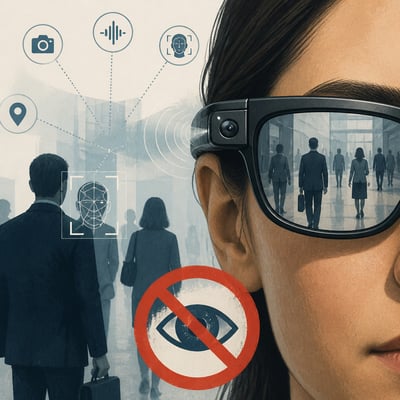
Apple is reportedly delaying its first smart glasses while refining how cameras, AI processing, recording controls, and captured data will be handled. Proposed safeguards include on-device processing, visible recording indicators, limits on storing or using footage for AI training, and avoiding facial recognition. The approach reflects wider concerns about unnoticed recording, biometric collection, human review of footage, and restrictions on camera-equipped eyewear in sensitive public settings.
Articles: 43
Last Updated: 09/04/2026
Secondary
- 93
Airport Facial Scans Meet Traveler Choice
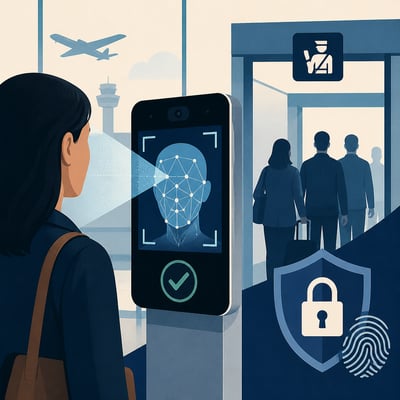
U.S. airport security and border agencies are expanding facial comparison systems that match live traveler images with government-issued identification during checkpoint and preclearance screening. TSA presents the technology as a faster, more consistent identity check and says travelers can generally request manual verification, while CBP applies different rules to U.S. citizens and some foreign nationals. The expansion has intensified scrutiny of biometric accuracy, demographic performance, consent, image deletion, database use, and oversight.
Articles: 28
Last Updated: 09/05/2026
- 91
Regulators Probe Grok Deepfake Harms

xAI and X are facing lawsuits, regulatory investigations, and public pressure over allegations that Grok generated or distributed non-consensual sexualized images of identifiable people, including claims involving minors. Authorities in the UK, EU, France, and other jurisdictions are examining privacy, data protection, platform-risk, and online-safety obligations, while xAI has described account enforcement and pursued at least one user in court. The central unresolved issue is how responsibility should be divided among users, platform operators, and AI developers when safeguards fail to prevent foreseeable misuse.
Articles: 23
Last Updated: 07/28/2026
- 84
UK Expands Facial Recognition And Digital ID
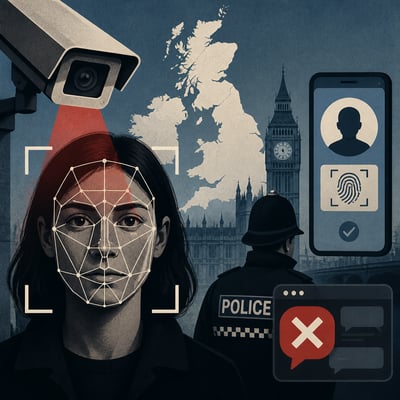
The United Kingdom is expanding or considering several systems that increase state and commercial access to identity and behavioral data, including police and retail facial recognition, online-content controls, policing AI, and digital ID proposals. Supporters present these tools as measures for public safety, service access, or crisis response, while privacy groups and oversight officials warn that legal safeguards, accountability, and avenues for redress are insufficient. The central unresolved issue is whether fragmented deployments will become standardized through national regulation before their use expands further.
Articles: 4
Last Updated: 06/12/2026
- 83
AI Surveillance Expands Across Smart Cities
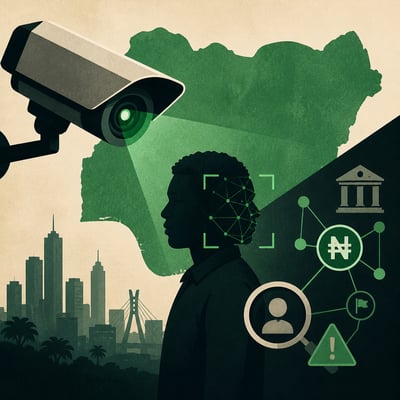
Governments and technology providers are expanding AI-enabled cameras, facial recognition, biometric systems, and connected urban infrastructure for traffic enforcement, public safety, and security operations. China is presented as an example of mature, integrated surveillance infrastructure, while Nigeria and other African countries are developing or considering smart-city systems that combine monitoring with connectivity and distributed computing. The expansion is accompanied by concerns about privacy, misuse, weak oversight, data governance, and the limited evidence that these systems consistently improve public safety.
Articles: 15
Last Updated: 07/30/2026
- 83
NEET Exam Surveillance Tightens

NEET-UG examination security in India is being tightened around surveillance, biometric verification, and controlled logistics after concerns about paper leaks and malpractice. The National Testing Agency is using CCTV, AI-assisted monitoring, face authentication, and Aadhaar-based checks across exam centres and transport chains to reduce impersonation and cheating. The topic matters because it combines large-scale identity verification with persistent monitoring of candidates, staff, and exam materials in one of India’s most sensitive high-stakes tests.
Articles: 6
Last Updated: 06/20/2026
- 81
AI Voice Cloning Threatens Identity

AI voice cloning is making it easier to impersonate individuals, automate scam calls, manipulate audio, and create digital replicas from small amounts of personal data. The technology also exposes limitations in voice-based authentication and raises concerns that speech can reveal sensitive attributes beyond the words being spoken. These developments are increasing the need for stronger verification, source preservation, consent controls, and privacy-aware speech systems.
Articles: 6
Last Updated: 08/11/2026
- 81
EU AI Act Mandates AI Transparency
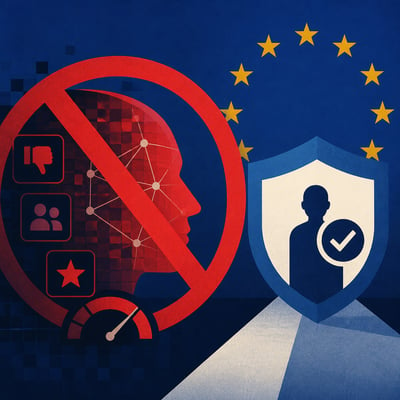
The EU AI Act is moving from a broad risk-based framework into active enforcement, requiring disclosure of AI interactions, machine-readable marking of generated content, and notices for certain biometric, emotion-recognition, and deepfake uses. The European AI Office and national authorities share enforcement responsibilities, while prohibited manipulative practices, untargeted facial-image scraping, and some non-consensual synthetic media face restrictions. High-risk system obligations and conformity requirements remain phased through 2027 and 2028, reflecting both implementation delays and continuing legislative changes.
Articles: 17
Last Updated: 08/18/2026
- 79
DHS Surveillance Targets Immigration Observers
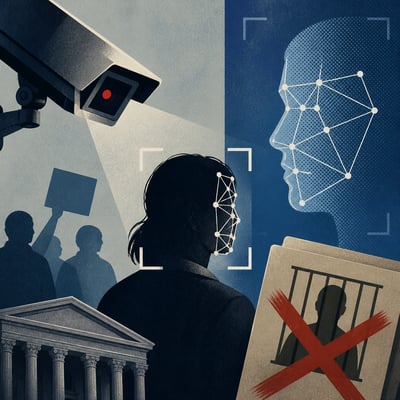
The topic centers on allegations that DHS components, including ICE and Border Patrol, collect and retain biometric, biographic, facial, license-plate, and situational information about people who observe or protest immigration enforcement, including some who were not arrested. An April letter to lawmakers appears to acknowledge that such information may be maintained as official government records, while DHS denies maintaining a standalone protester or domestic-terrorist database. Lawsuits in several jurisdictions challenge the surveillance, data retention, use of the information, and alleged retaliation through Trusted Traveler Program actions, while a separate case contests biometric requirements imposed on detained immigrants seeking legal relief.
Articles: 34
Last Updated: 07/28/2026
- 79
Connecticut Tightens Rules On Personal Data

Connecticut is expanding its privacy framework to regulate data brokers, restrict the sale and use of precise geolocation data, limit surveillance pricing, and give consumers greater control over genetic information and publicly available data used in profiles. Public Act No. 26-64 creates a data broker registry and a centralized deletion mechanism, while related amendments broaden sensitive-data, profiling, and transparency obligations. The phased implementation will create new operational requirements for companies that collect, sell, analyze, or use personal data in Connecticut.
Articles: 44
Last Updated: 09/16/2026
- 78
Online Age Checks Raise Privacy Risks

Governments and platforms are advancing age checks and youth-safety restrictions for social media and online services, using methods that include government IDs, facial analysis, behavioral inference, and third-party verification. The measures are intended to limit minors' access to harmful or age-inappropriate experiences, but they also create risks involving sensitive-data breaches, surveillance, misclassification, exclusion, and circumvention. Privacy-preserving approaches such as tokenized age confirmation and zero-knowledge proofs are being tested, while policymakers and platforms continue to weigh them against enforcement and usability demands.
Articles: 25
Last Updated: 08/04/2026
- 76
Meta Removes Muse Image After Backlash

Meta launched Muse Image in July 2026 with a feature that allowed users to reference public Instagram accounts when generating or editing AI images. Reports said adult public-account users were included by default, were not directly notified when their photos were reused, and had to locate an opt-out setting; the feature was removed within days after criticism from privacy advocates and performer groups. The episode highlights continuing tension between Meta’s rapid AI product rollout and expectations for clear consent, notice, and control over publicly shared images and likenesses.
Articles: 25
Last Updated: 07/25/2026
- 76
Lawsuits Target AI Notetaker Privacy
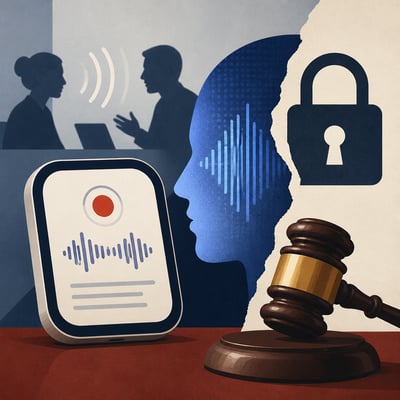
AI meeting assistants and ambient clinical scribes are facing increasing scrutiny over whether they record conversations, create voice-based profiles, retain transcripts, or reuse data without adequate notice and consent. The central Otter.ai litigation in the Northern District of California allows key federal wiretap, California privacy, and Illinois biometric claims to proceed while dismissing several other theories. The disputes highlight practical exposure for employers, healthcare providers, and vendors as recording tools become embedded in workplace and patient interactions.
Articles: 9
Last Updated: 09/08/2026
- 75
Waymo Robotaxis Alert Police
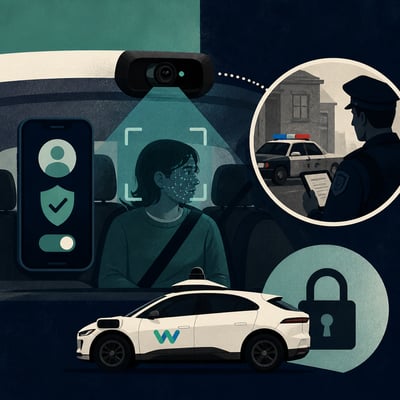
Waymo robotaxis are drawing scrutiny after the company alerted San Mateo police about two teenage passengers and remotely moved the vehicle to a parking lot following reports of drinking and firing water beads. The incident highlights how onboard cameras, microphones and remote support can turn a driverless taxi into both a safety system and a source of evidence for law enforcement. A separate San Francisco burglary investigation raised additional questions about data retention after interior footage had been purged before police served a warrant.
Articles: 23
Last Updated: 07/14/2026
- 75
World Cup Surveillance Raises Privacy Risks
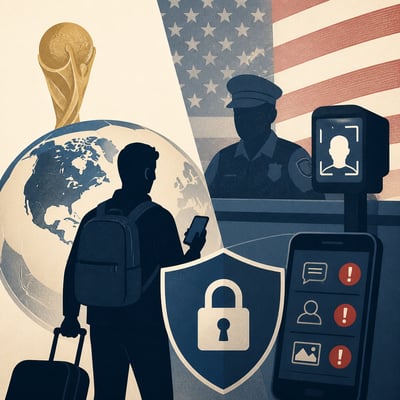
Civil rights organizations and privacy advocates are warning that visitors to the 2026 FIFA World Cup in the United States could face heightened surveillance, electronic screening, device searches, profiling, detention, or deportation. At the same time, more than $1 billion in reported security investment is supporting expanded monitoring around stadiums, transit hubs, and host cities, including facial recognition, drones, CCTV, and AI-assisted analytics. The central concern is that systems introduced for tournament security may collect sensitive data with limited transparency over access, retention, sharing, or post-event use.
Articles: 6
Last Updated: 07/09/2026
- 74
Privacy Regulators Tighten AI Data Rules

Privacy regulators and courts are expanding obligations for organizations that collect, share, or use personal data, particularly in AI systems, advertising technology, children’s services, health applications, and data-broker markets. The United States remains fragmented across state and federal regimes, while the EU, UK, Switzerland, India, and other jurisdictions apply distinct requirements for risk assessments, transparency, consent, minimization, security, and international transfers. The direction of travel is toward more documentation, stronger individual rights, tighter breach response, and increased enforcement against deceptive or inadequately protected data practices.
Articles: 106
Last Updated: 08/07/2026
- 73
Fresno Automated Enforcement Debate
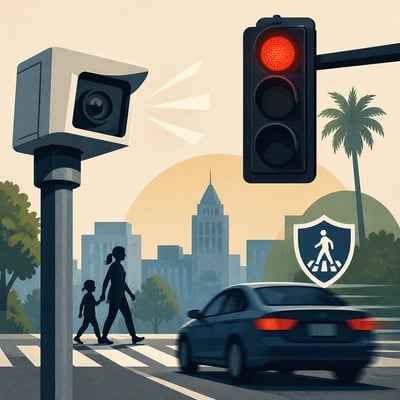
Fresno is moving forward on two separate uses of camera technology: a 36-month automated red-light enforcement pilot on city streets and a proposed facial-recognition-based ban affecting attendance at City Hall. Both efforts center on public safety claims, but they also raise questions about how the city uses surveillance tools and what limits apply. The red-light program appears more developed, while the City Hall proposal remains under review.
Articles: 4
Last Updated: 07/16/2026
- 73
Child Social Bans Test Age Privacy
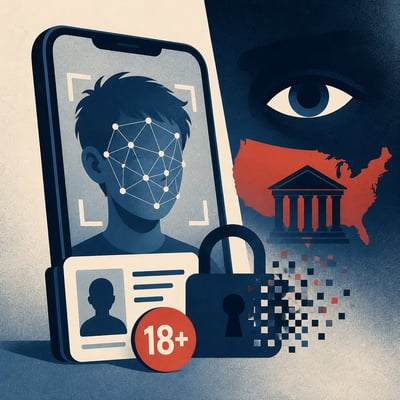
The United Kingdom is developing an under-16 social-media restriction expected to take effect in spring 2027, requiring platforms such as TikTok, Instagram, YouTube, Snapchat, Facebook, and X to establish users’ ages. The policy has made age assurance a central privacy and cybersecurity issue because implementation may involve identity documents, facial age estimation, or third-party verification systems that could expose sensitive data, reduce anonymity, and remain vulnerable to circumvention. Similar proposals in the European Union and existing U.S. state laws indicate that age-gated access is becoming a broader regulatory trend, although effectiveness and privacy safeguards remain unsettled.
Articles: 54
Last Updated: 09/18/2026
- 73
Mercor Breach And AI Data Exposure

Mercor's reported breach remains the main story, with class-action lawsuits, partner reviews, and repeated claims of exposed contractor biometrics, identity records, and interview data tied to a LiteLLM supply-chain attack.
Articles: 12
Last Updated: 07/09/2026
- 72
Google’s New Smart Glasses Raise Privacy Questions

Google and Samsung are preparing Gemini-powered smart glasses running on Android XR, with an audio-first model planned for select markets in fall 2026 and more advanced display-enabled versions under development. The devices promise translation, navigation, messaging and cross-device assistance, but their cameras, microphones and continuous AI access create unresolved questions about visual-data retention, model training, breach response and bystander consent. The companies’ privacy disclosures and user safeguards will be important to adoption, particularly as Meta’s smart glasses face criticism over recording and data practices.
Articles: 6
Last Updated: 07/27/2026